Get free shipping for purchases over 200,000 Tomans.
- ASANPOOSH WORK WEAR (Since 1980)
Get free shipping for purchases over 200,000 Tomans.
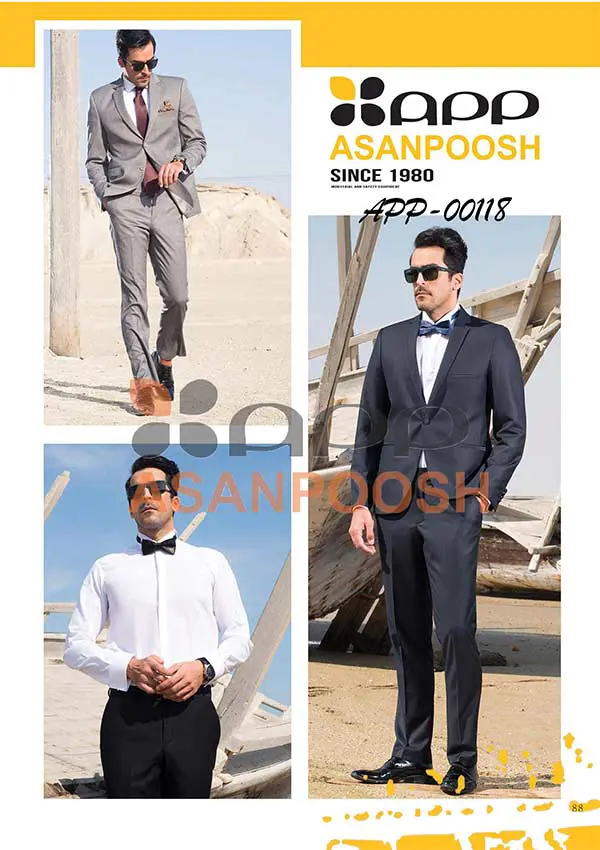
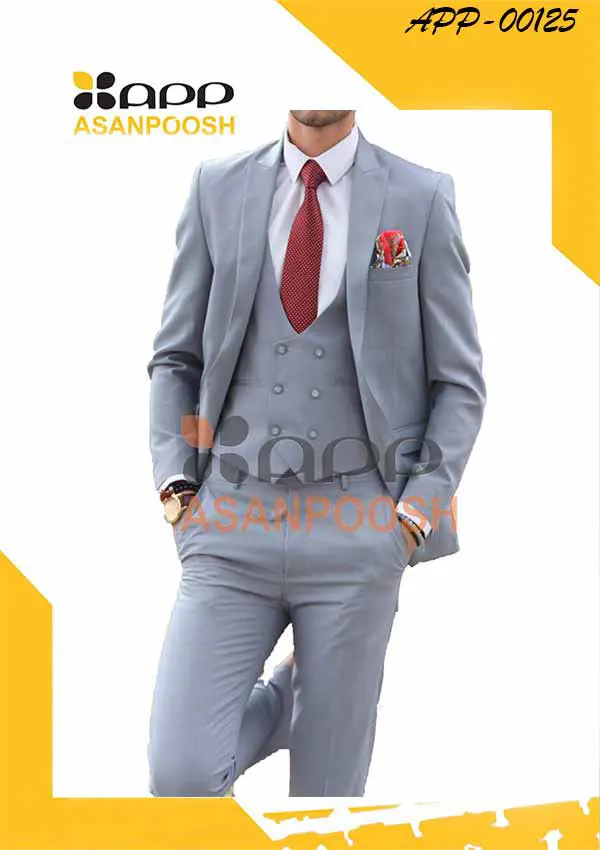




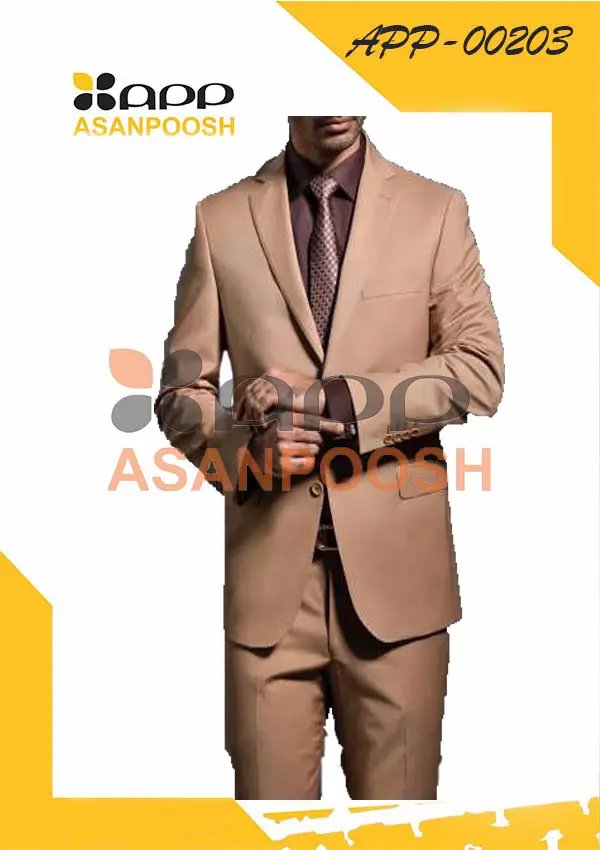
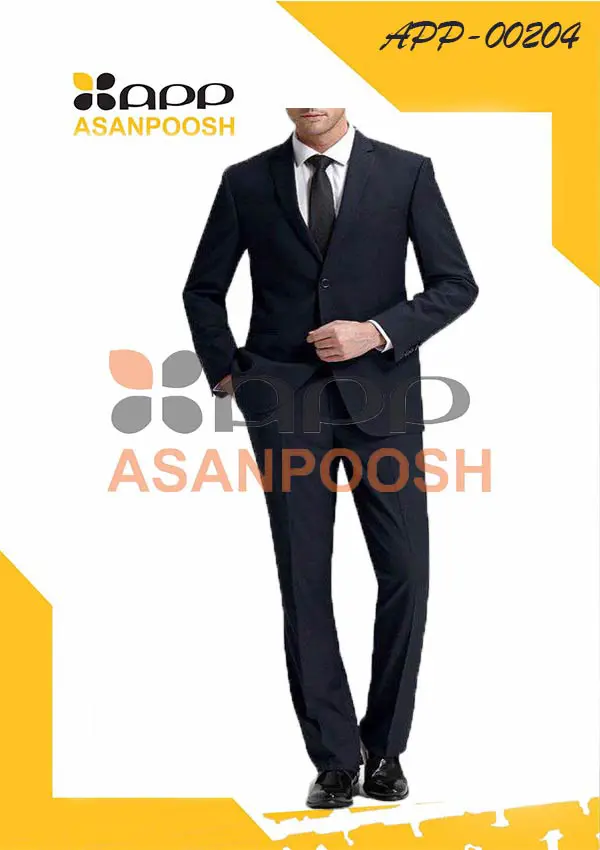
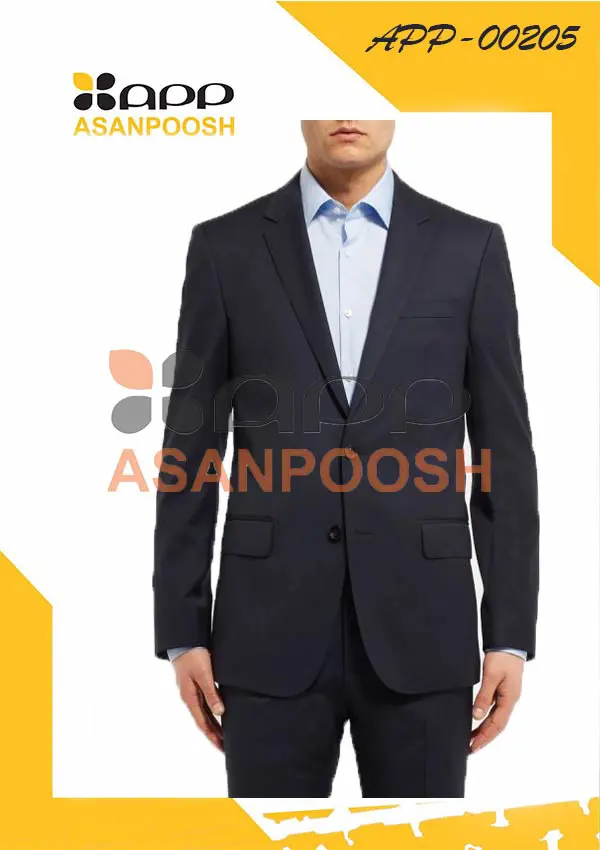
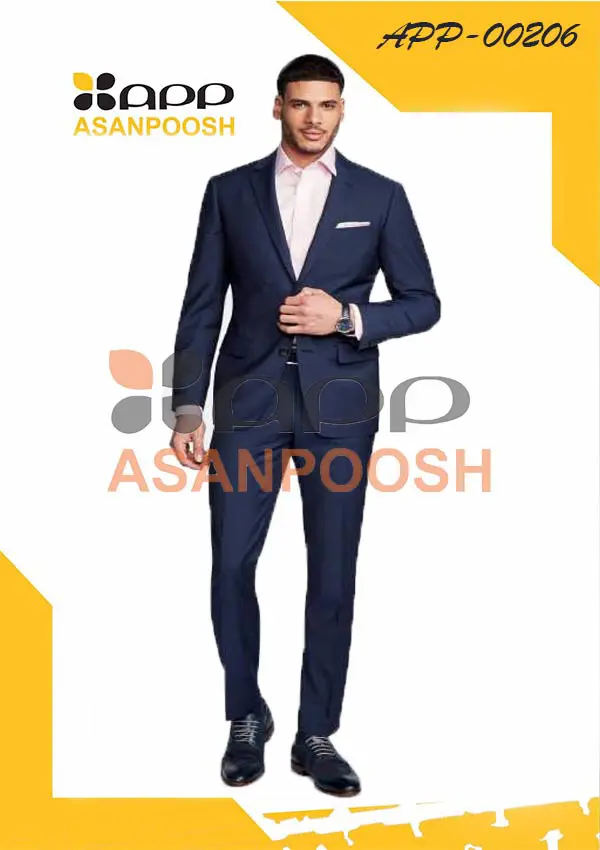
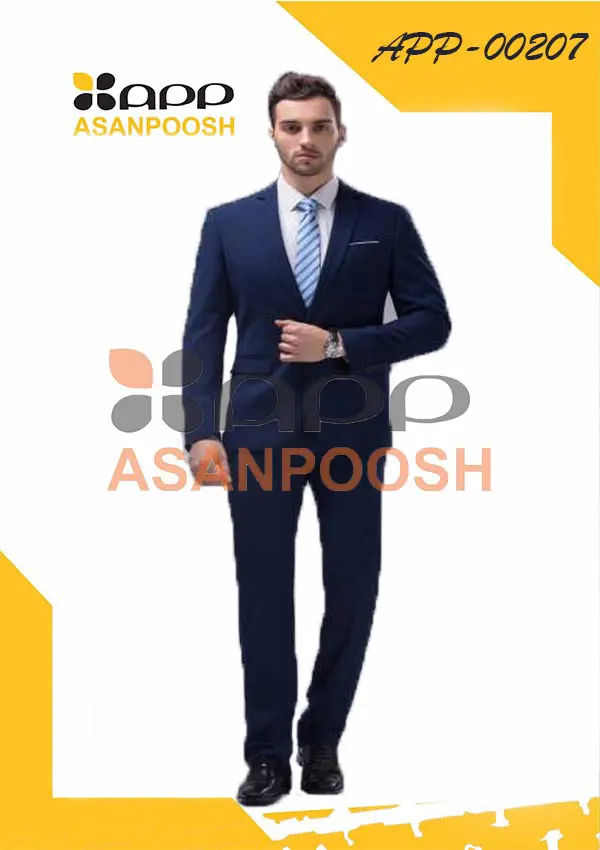
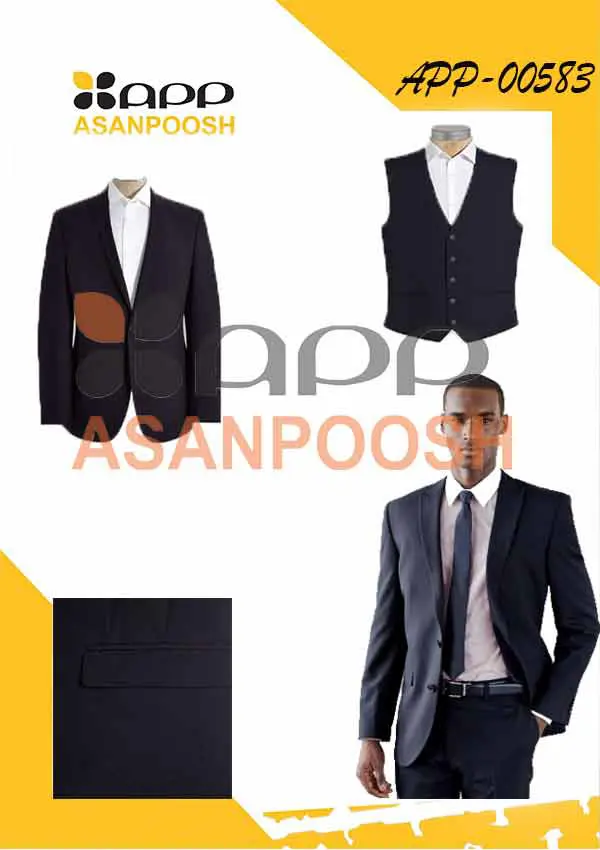
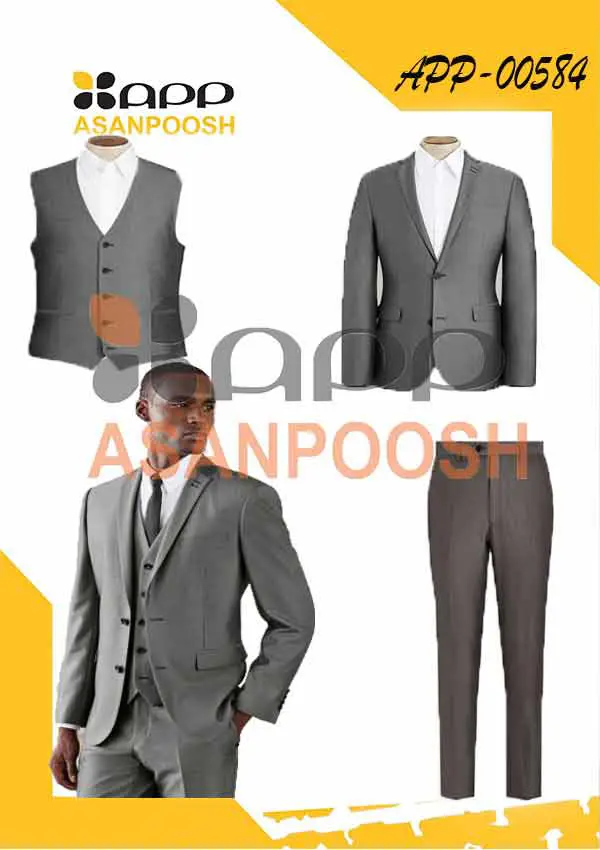
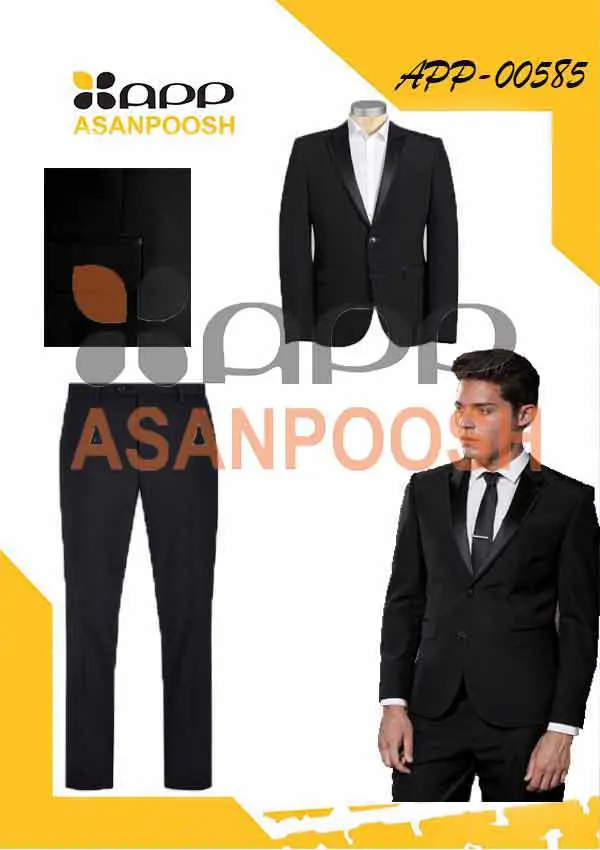
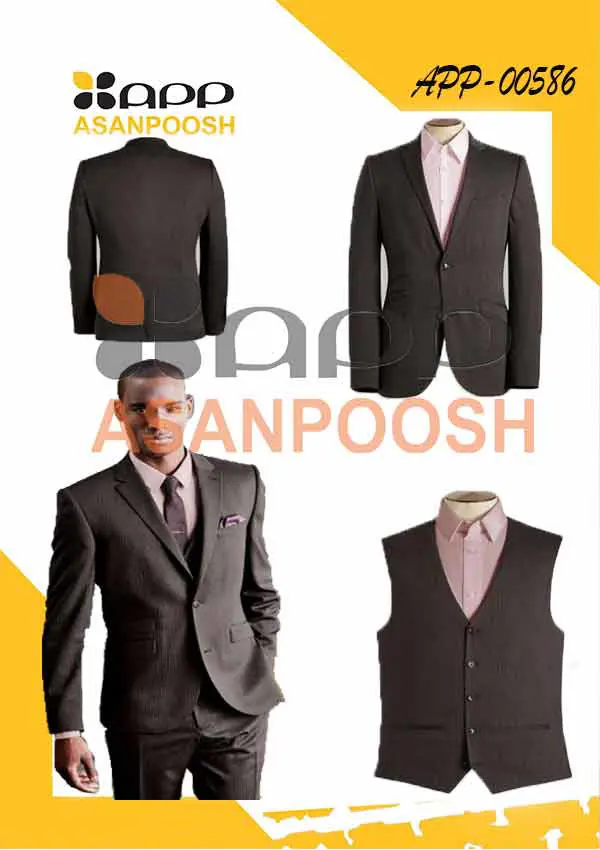

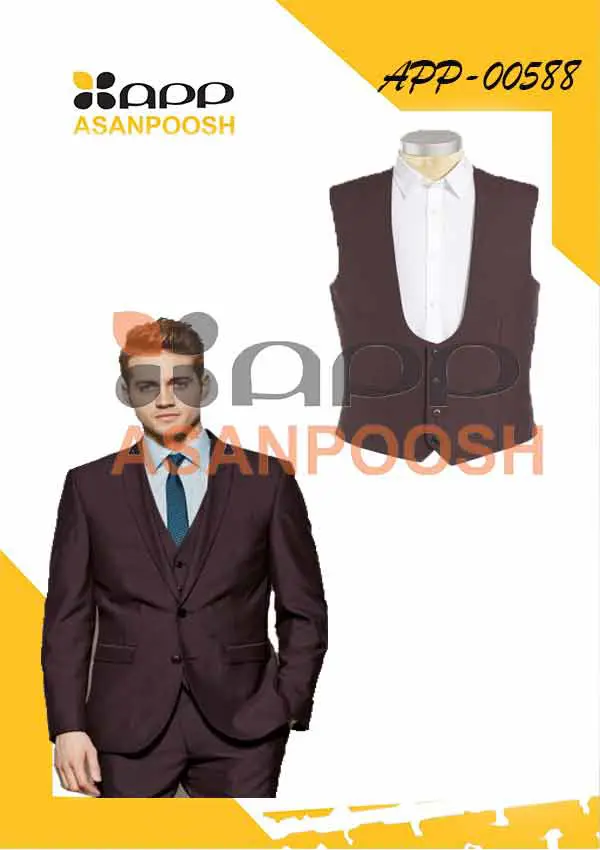
Formal Suit
One of the appropriate dress codes in a formal and business environment is a standard formal suit, consisting of a full suit, trousers, and optional vest; The darker the suit, the more formal it appears. Employers should consider which type of workwear not only conveys the image they want to portray, but also supports the company's culture and values. The office suit is one of the pieces of clothing that not only shows the integrity of employees and their professionalism, but also expresses their elegance and respect for customers and colleagues.
In addition to the suit, to set an office work outfit, men should wear a button-down shirt, the use of a vest and tie can vary according to the opinion of company managers. The shirt under the suit should not have loud colors or busy patterns; white, beige or light blue are suitable colors for a dress shirt. If you want to use a vest in your office work outfit, its material and color should be the same as or coordinate with the suit. If you wear a tie, it should also be in a color that matches the formal suit. Usually, using a tie that is bolder or has a pattern does not prevent it.
Tips for choosing a formal suit
Whether you have just started working or have been working in your job for years, choosing the right work clothes is sometimes difficult, because you need to show that you are excellent at your job without distracting your focus from work and also provide comfort. If you have to choose an office formal suit yourself, it is better to pay attention to the following points:
1- When it comes to an office formal suit, it never means that it is in conflict with comfort; to prepare this type of office clothing, you should act based on your personal size and comfort.
2- To create unity among all employees of a group, you can use a dress design or similar designs and a common color between women's and men's clothing. Since neutral colors easily coordinate with all other colors and have high flexibility, it is better to use a combination of a neutral color with a cheerful color in a formal suit to create unity while still being vibrant and distinctive.
3- The simplicity of formal suits, in addition to helping them to be versatile with any other work clothes such as shirts and shoes, etc., allows each of them to be individually adapted to other office clothes.
4- For greater coordination among employees, adding beauty and personalization to formal work clothes, you can use accessories such as name tags, bags and belts, and the like.
5- Office clothes should be clean, tidy and ironed to present a professional and "business formal" image. Torn, dirty and mismatched clothes are not acceptable as formal or formal clothes.

Formal Suit Fabric
There is nothing like wearing a formal suit or any other type of workwear that is made of a nice, soft fabric, and the use of stiff, raised fabrics that irritate the skin has no place in office attire. There are many options for the type and material of formal suit fabrics that will help you feel comfortable while looking completely formal and stylish. Many formal suits are made of fabrics such as cashmere, cotton, linen, silk, jacquard, velvet and wool. However, some of these fabrics, such as silk, cashmere and wool, are suitable for formal occasions where the garment is worn for a short time and also have a higher production cost.
Formal suits are typically made of cotton and jacquard, which in addition to being suitable and comfortable, are also affordable. Each of these fabrics is produced in different densities and thicknesses, with lighter types weighing less and not tiring employees for long-term use throughout the day. Of course, the ability to circulate air in formal suit fabrics is also important because it regulates body temperature throughout the day; cotton and linen workwear are suitable for wearing in the summer due to their excellent breathability.

 Receiving information...