Get free shipping for purchases over 200,000 Tomans.
- ASANPOOSH WORK WEAR (Since 1980)
Get free shipping for purchases over 200,000 Tomans.
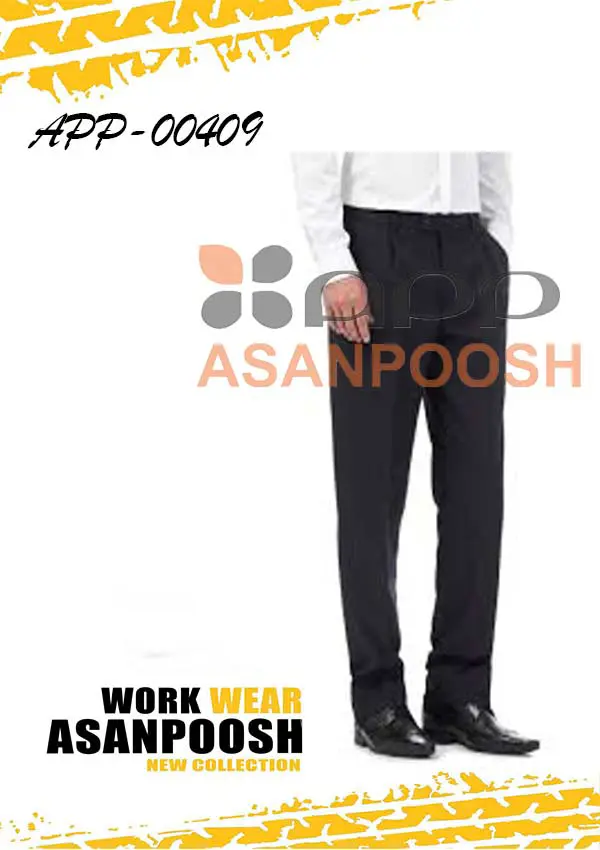
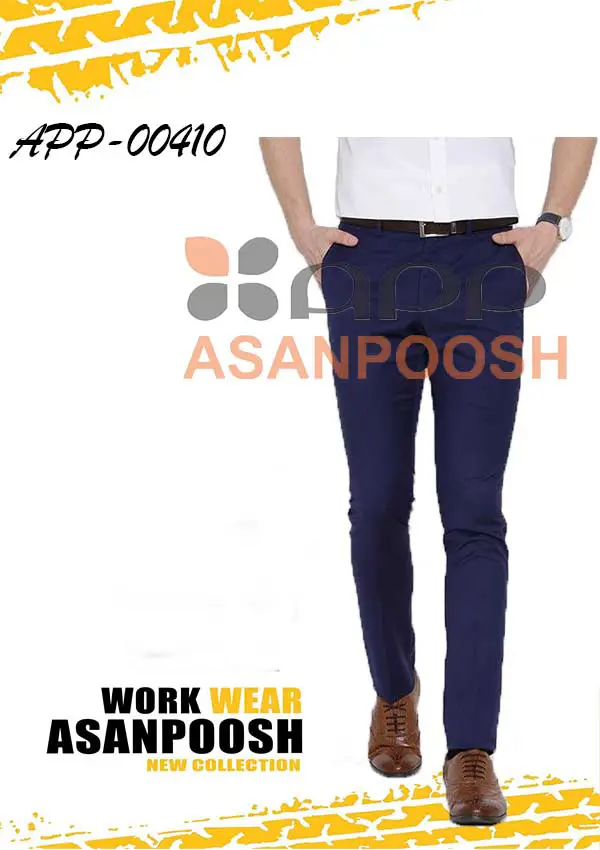
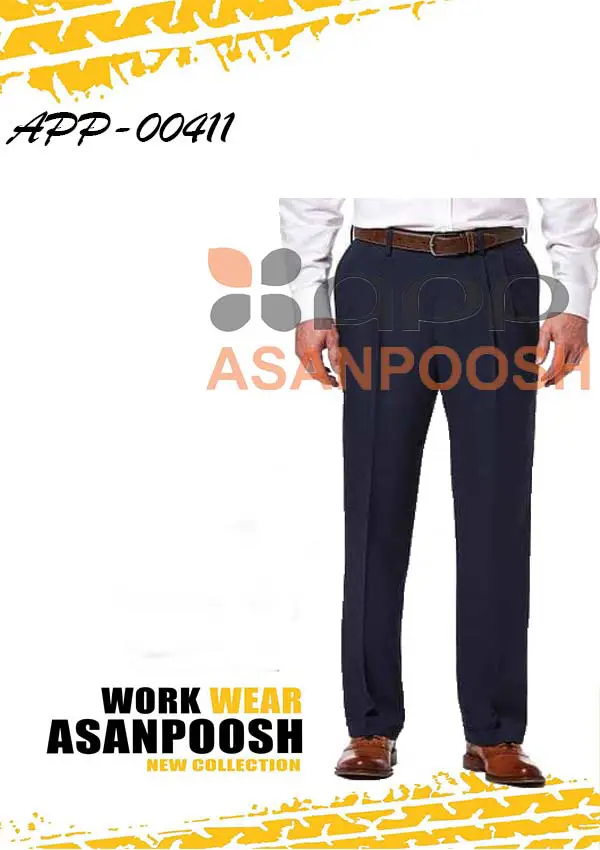
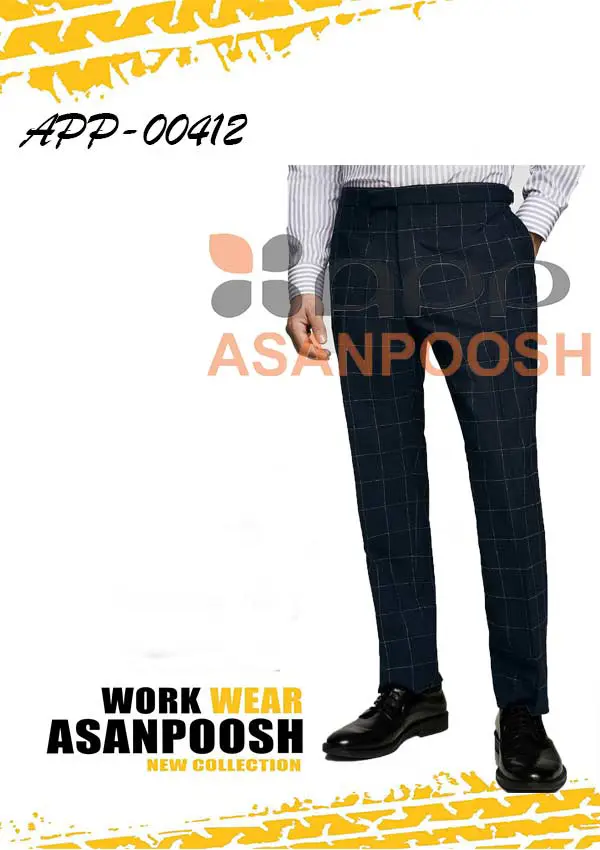
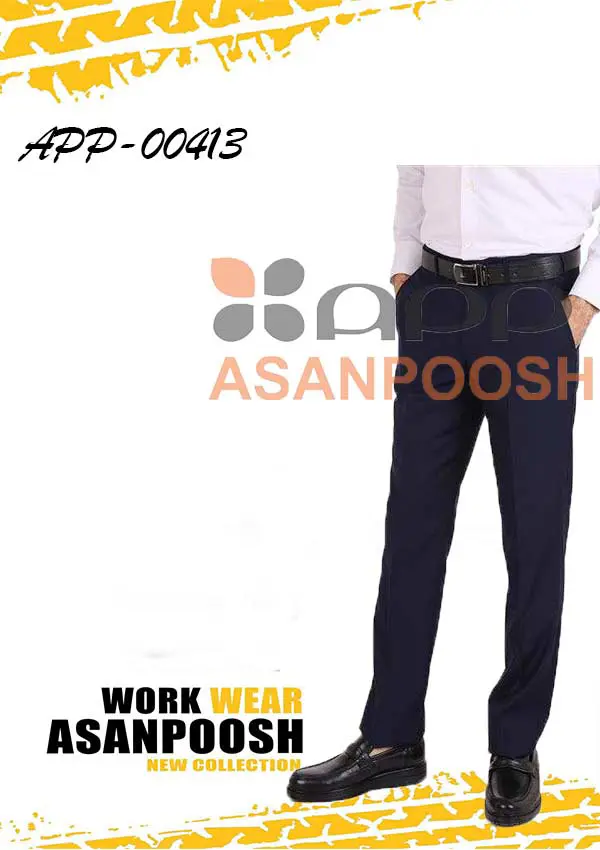
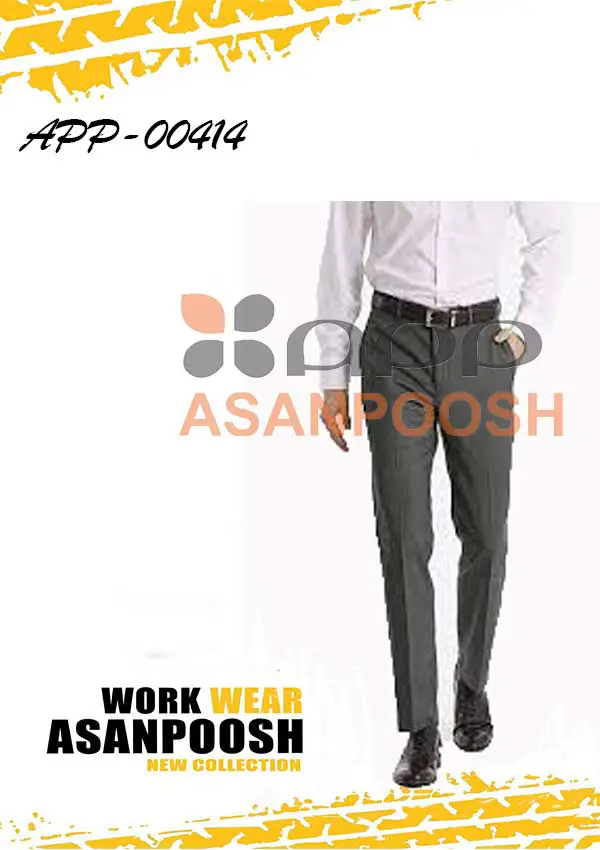
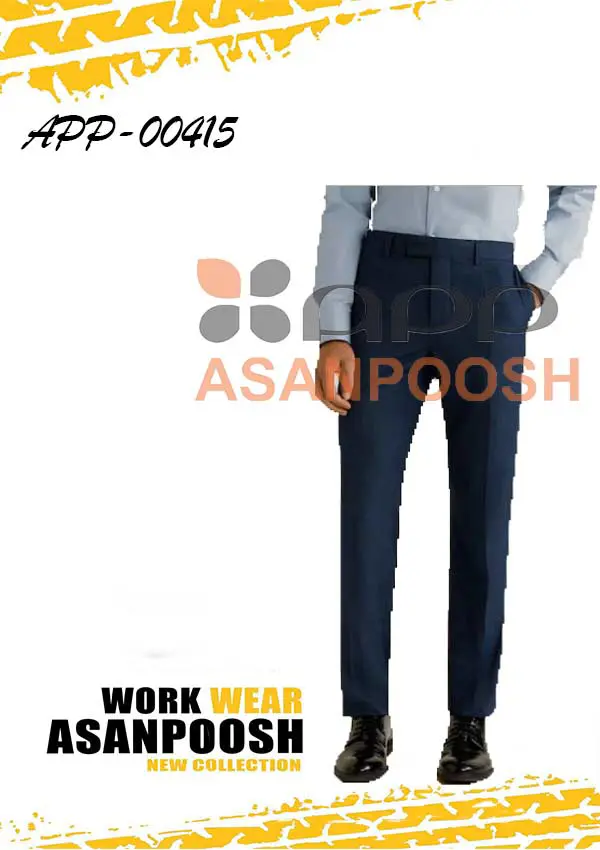
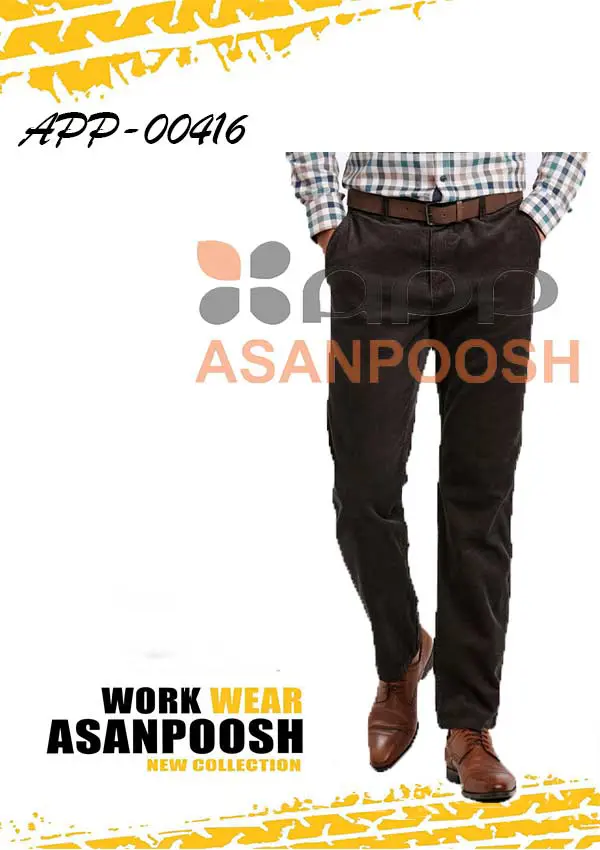
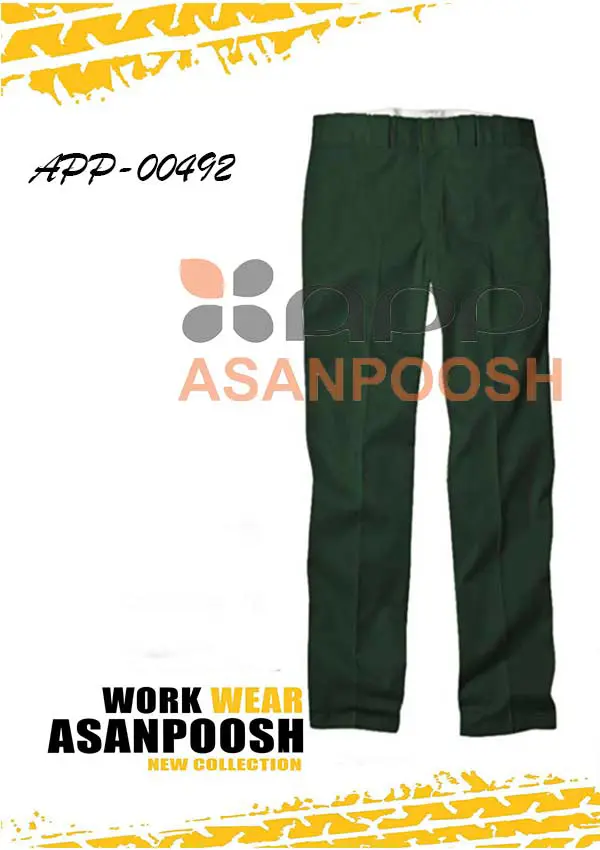
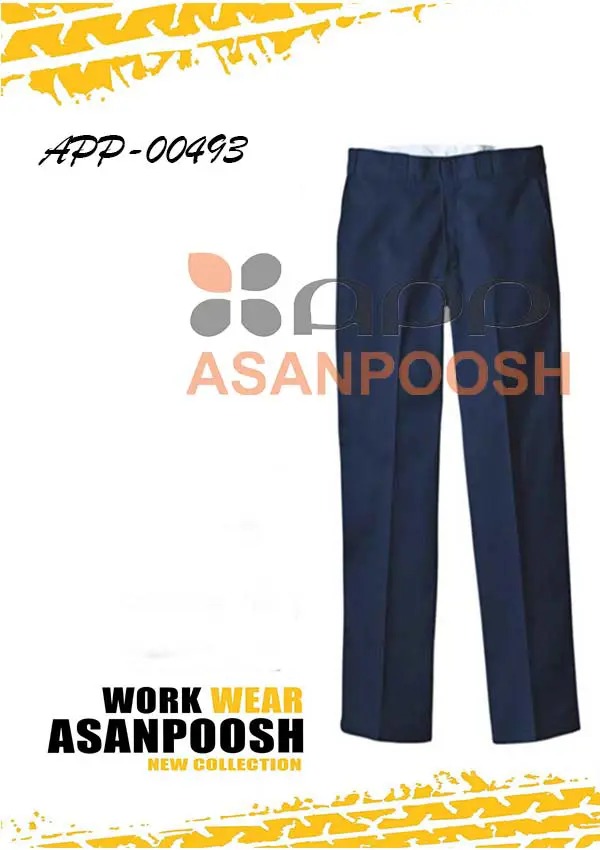
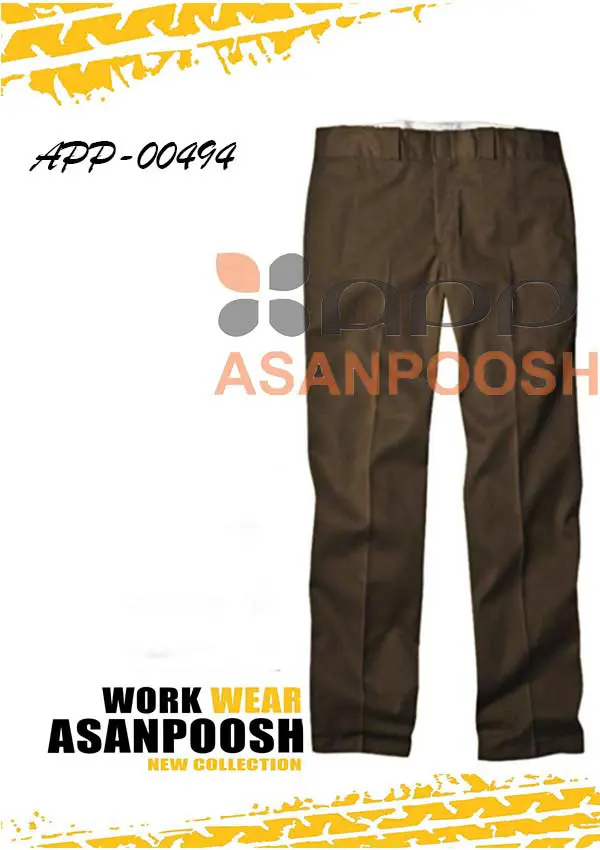
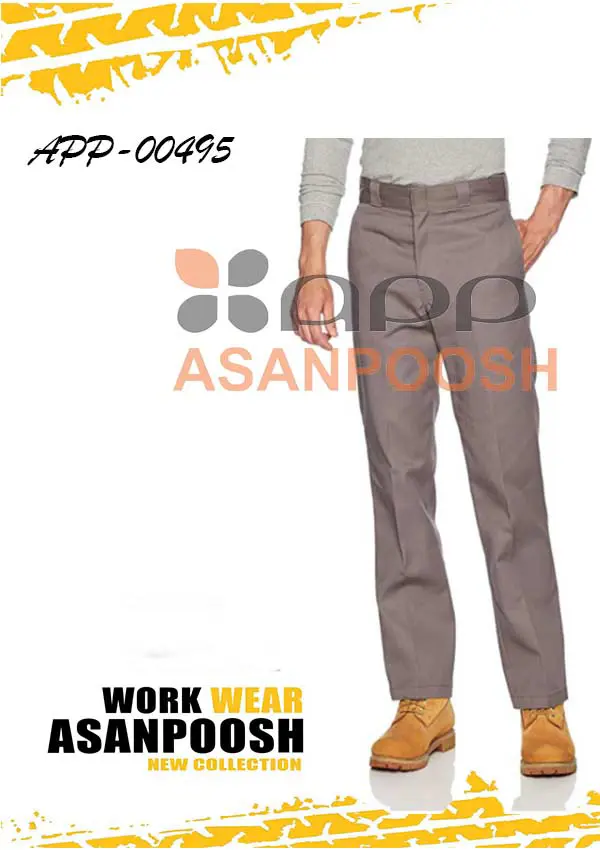
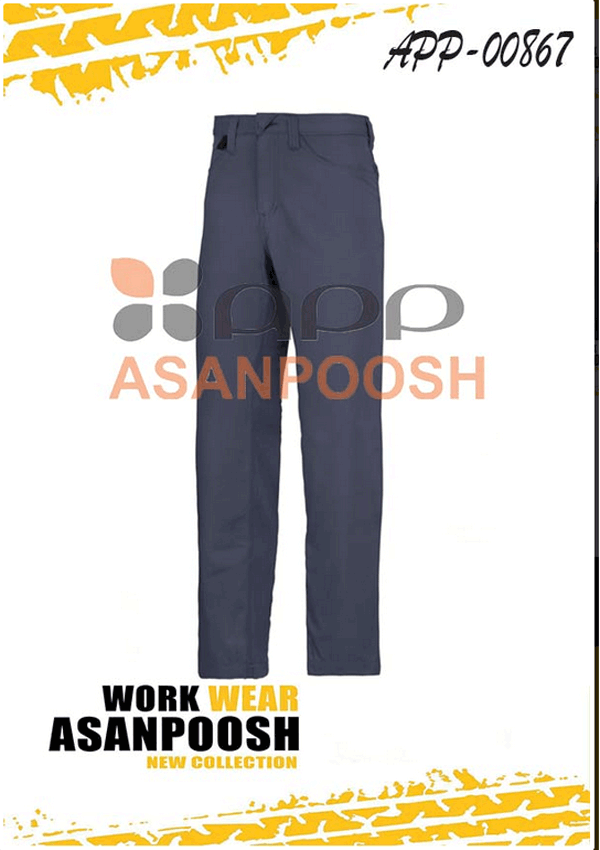
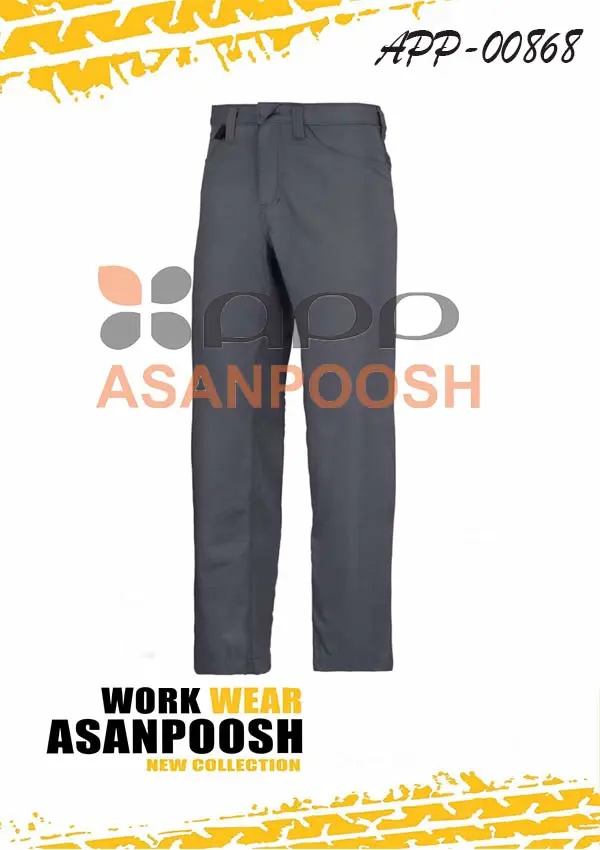
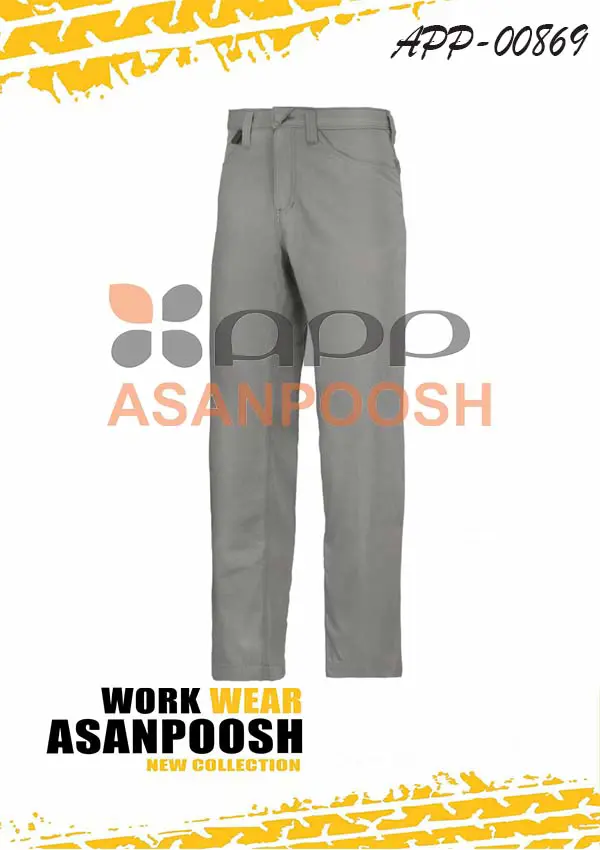
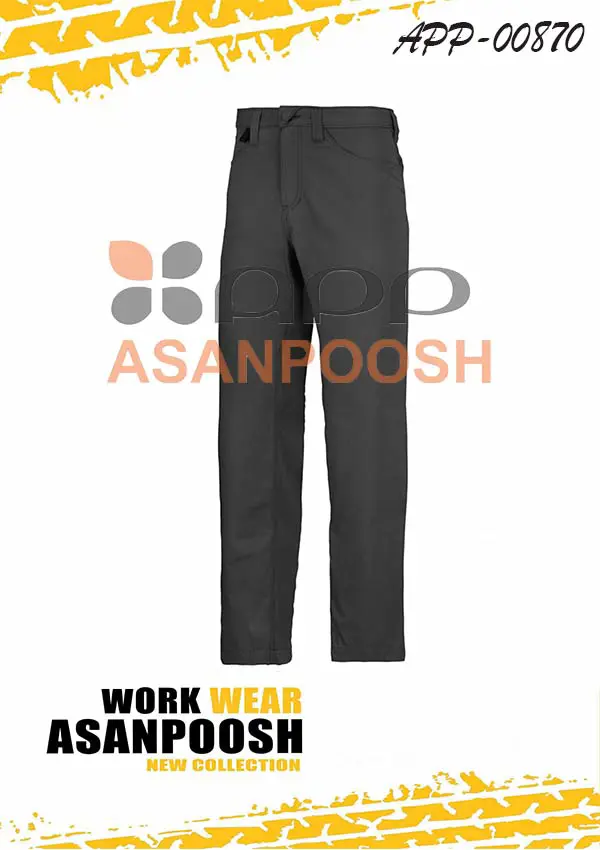
Finding the right work pants is as much a practical as it is a change in style. Formal pants come in a variety of designs and models, with so many options on the market, choosing the right formal pants can be daunting. Trousers are often a forgotten part of the office workwear, yet they play as important a role as a T-shirt, shirt or jacket; depending on the job, formal trousers can play a functional or stylish role.
Features of formal trousers
Quality work trousers feature fine details such as reinforced seams, buttons and zippers, and are comfortable and durable. Technical workers often bend or squat during their working hours, so work trousers must have the right stretch and withstand the pressure of the work. For this reason, manufacturers must install each button or zipper with care and long-term durability in mind.
Every garment has essential elements, also called the anatomy of the garment, when we understand the design aspects of formal trousers, we can customize them to suit our needs. For example, a work trousers has the following main features:
• Waistband: A thin strip of fabric that wraps around the waist and has a strong mechanism to hold the button and belt.
• Belt loops: These loops are attached to the waistband that holds the belt in place around the waist.
• Main section: This section is located below the waist, measured from the bottom seam of the crotch to the waist, which is known as the seat at the back.
• Pleats: In short, pleats are folds of fabric at the top of the formal pants.
• Pockets: There will typically be two pockets on the front of any formal pants, the most common style of pocket on formal pants is the slanted pockets. Unlike work pants that usually have a lot of pockets to hold work supplies, formal pants will have a maximum of 4 pockets.
• Leg cut: The legs of a formal pants can be straight or tapered, wide or narrow.
The most important things to consider when buying formal pants
Fit of formal pants
The right formal pants mean that they should not be too loose or loose, nor should they be too tight or tight, on the other hand, formal pants should fit properly on every part of the body. When it comes to work pants, there are three main options for fit:
1- Classic fit: The middle fit of the pants.
2- Relaxed fit: It has more room in the seat and thigh area than traditional pants.
3- Slim fit: It is a more modern form of work pants and has narrow legs, however, they are not too tight.
Pants comfort
When choosing the right work clothes, comfort is really important, which has a direct impact on the efficiency of the person, choose pants with cuts that allow movement during work and do not cause pressure. Tight or poorly tailored work clothes and pants that are not suitable for the environment may limit the employee's ability to perform their professional duties.
Type of fabric of work pants
Work pants are worn every day in the workplace, so the type of fabric they are made of is very important. Since it directly affects the comfort of the person, the fabric of the work pants should not only be durable, but also provide adequate air circulation. It is also a great advantage if the fabric of the workwear is such that it dries quickly after washing. Typically, cotton fabrics or in combination with different percentages of polyester are used to produce formal pants, which are comfortable and also have good breathability.
Sewing pants
Like many workwear, the sewing of formal pants is usually done by industrial machines. Although office jobs do not require durable formal pants like industrial work pants, the stitching and seams of these pants must be such that they will last for a long time. Also, the type of sewing of formal pants must be delicate so as not to take the pants out of their formal and office appearance.
Weight of workwear fabric
The weight of the workwear fabric is another important element in providing comfort to employees. Since formal pants are used in closed and office environments, lightweight fabrics are typically used because, unlike industrial workwear, these pants do not require thick and durable materials. Lighter fabrics are less durable than heavier fabrics, but they are ideal for making lightweight workwear and for use in warm weather and enclosed spaces.
Zippers and buttons on formal pants
A zipper or button fastens the edges of the fabric and is found on almost all formal pants. Using high-quality zippers and buttons on formal pants makes them easier to use, lasts longer, and prevents the need for repairs. These options also affect the appearance of formal pants.
When planning to buy workwear for yourself or your employees, consider all parts of the outfit, trousers are just as important a part of the workwear as jackets and shoes. In fact, formal trousers for both men and women are key to comfort in everyday work, which is why it is worth focusing on products with good quality, proper sizing and durability.

 Receiving information...