
Fabrics are made from many different materials, some natural and some synthetic, each of which has different uses and purposes in the production of workwear. Fabrics for workwear are well known with natural fibers, cotton, silk, wool and a few others; synthetic fibers are often made from petroleum derivatives and have names such as polyester, polyamide, nylon and acrylic.
Each of these workwear fabrics has different properties that often make them more suitable for one purpose than another, for example, cotton has excellent moisture absorption qualities and can be very soft and beautiful, polyester is resistant to wrinkles. By combining different fibers, you can have the good qualities of each together and as a result you get a new functional material.
The importance of fabric types for workwear
If you are engaged in tough work, you need a type of workwear that is equally tough, which means that your clothing must be durable and protect you from potential workplace hazards as well as weather conditions. The right workwear can make a difference in how anyone functions; not only will employees feel comfortable, but the company will also look professional. The fabric of workwear determines how comfortable and stylish a garment is; for example, while all office uniforms may look the same, there are technical differences in the styles.
Different environments and occupations require different types of workwear, someone working on an oil rig may need flame-resistant workwear, and someone working as a judge may need a heavy-duty suit with a dignified appearance.
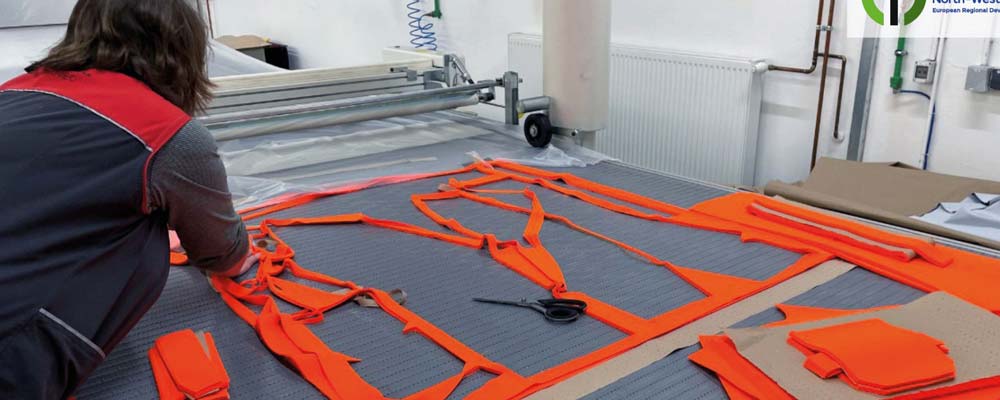
Types of Workwear Fabrics
Workwear Fabrics are often made from a combination of multiple materials or fibers to provide a combination of comfort and durability. These fabrics are usually made from two categories: natural and synthetic fibers; natural fibers are made from natural polymers such as cotton and wool and provide warmth and comfort, and synthetic fibers are produced by advanced technologies with specific properties and characteristics. Natural fabrics are not as strong or durable as synthetic options, so they are often blended with poly fibers. The best fabrics for workwear include:
• Cotton, the most common fabric for workwear
Cotton is the most common fabric for clothing; it is soft, comfortable, and easy to wash. Fabrics made from cotton come in many varieties, and pre-washed cotton twill is very strong and durable, retains its properties, and becomes easier to wash with each wash, making it a good choice for workwear. Keep in mind that cotton absorbs moisture, which is why linen workwear is not suitable for work in humid environments.
• Polyamide fabric for workwear
Polyamide is a fabric that is often used to make workwear more resistant to abrasion. Polyamide fabric can withstand a lot of wear and tear, but at the same time is a soft and comfortable material that does not stiffen in cold weather. Clothes made from polyamide are durable and suitable for outdoor work. Dirt and sweat are not a problem on this type of fabric because they are easily washed and dry quickly.
• Cotton and polyamide blend, a popular fabric
The combination of cotton and polyamide fibers creates a comfortable fabric that does not absorb water and dirt and is considered for work environments where there is a high probability of dirt. Clothes made from cotton and polyamide do not absorb moisture as easily and dry much faster than pure cotton. This fabric is comfortable to wear and can withstand a lot of wear and tear without losing its appearance, making it a good fabric for producing work clothes in challenging work environments.
• Polyester, the second most popular fabric for workwear
Many winter work clothes and jackets are made from polyester, this is the best fabric for producing work clothes after cotton. Clothes made with polyester are comfortable, they stay soft and their low absorbency allows them to dry quickly. This fiber has excellent strength and other benefits such as easy washing, high abrasion resistance; however, polyester fibers cannot get very hot, so they are not resistant enough for hot work environments.

• Polyester and cotton blend fabric
Cotton can be blended with polyester in various combinations to achieve a wide range of properties, with 70:30 workwear being the most common type of this blend. Combining the best fabrics for workwear production results in the softness of cotton and the strength of polyester, making the cotton and polyester fabric very comfortable and durable. These fabrics are suitable for sewing clothes without requiring special care, as they can be washed often without the risk of fading or fading; clothes with cotton and polyester fabric retain their shape and are very suitable for the production of uniform workwear.
How to identify the quality of workwear fabric?
To determine the quality of a fabric, several aspects can be examined, including the following:✓ Color fastness: The color of a fabric is of good quality when it remains the same as its original color over time, provided that the washing instructions for each fabric are followed.
✓ Strength and durability: Especially for special workwear such as flame-resistant or electrical clothing, the strength of the workwear fabric is essential. The type of fabric used and the method of production of the fabric determine its strength; materials with greater durability have a longer lifespan and offer complete protection.
✓ Water resistance: Workwear, especially industrial workwear, is often washed with harsh methods and often shrinks (water runs out), good quality fabric is produced in such a way that it does not shrink when washed. EN/ISO standards stipulate that the best fabric is one that does not shrink more than 3% after three washing and drying cycles.
✓ Comfort: The type of fabric and the production of clothing are key factors in its comfort, so the greater the comfort inside the garment, the higher its quality can be.
 Receiving information...