
Although packing a mountaineering backpack might seem simple, doing it correctly is quite challenging. In fact, there is no single "correct" way to do it; rather, there is a set of principles that you apply to achieve the best results. When preparing for a mountaineering trip, knowing how to efficiently pack and organize your backpack is crucial to ensuring a comfortable and enjoyable outdoor adventure. Proper organization and weight distribution within the mountaineering backpack are essential for maintaining balance and stability on the trail.
This article is written with professional and multi-day mountaineering in mind (where more equipment is utilized), but the tips mentioned below can be useful even for organizing a backpack for a single-day climb.
Essential items for packing a mountaineering backpack.
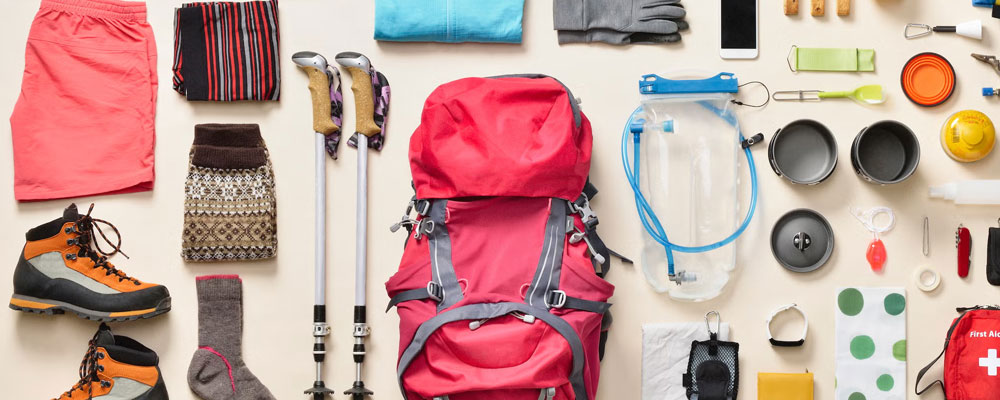
More important than the arrangement of items is selecting the "Ten Essentials" for mountaineering, which you should always carry regardless of your destination, duration, or the season. The essential items required for packing a mountaineering backpack include:
1- Appropriate Clothing: In addition to wearing suitable and sufficient layers, carrying extra clothing is vital for comfort and safety when preparing for a climb. These include: base layers, insulation layers, outer shells, mountaineering pants, moisture-wicking socks, specialized boots, sunglasses, and a mountaineering hat.
2- Shelter and Sleeping Mats: This includes mountaineering tents, bivvy sacks, and tarp shelters that feature lightweight designs, waterproofing, ease of setup, and appropriate capacity.
3- Food and Water: Adequate nutrition and hydration are critical for maintaining energy levels and preventing dehydration during outdoor excursions. It is best to carry lightweight, non-perishable foods and regulate water intake to stay hydrated without putting excessive pressure on the bladder.
4- Navigation: Having the right navigation tools is essential for a safe trip. You can utilize the following: maps, a compass, GPS devices, altimeters, Personal Locator Beacons (PLB), and even a whistle.
5- First Aid Kit: A few essentials to include in your first aid kit are: adhesive bandages, antiseptic wipes, sterile gauze and medical tape, tweezers, painkillers, allergy medications, anti-itch/anti-inflammatory treatments, and antibiotic ointment.
6- Additional Gear: Carrying lighting equipment, fire-starting essentials, and a multi-tool or pliers is also extremely helpful.
What you should know before packing a mountaineering backpack:
Choosing the right mountaineering backpack is the first step in gathering your climbing gear. To select a backpack and other equipment suitable for your needs, follow these steps:
- Duration of Your Mountaineering Trip:
The amount of time you plan to spend in nature determines much of what you need to pack. Day hikes require far less equipment, and most hikers can manage with only the basic essentials. However, if you are spending even one night in remote areas, there are many more items to bring, including a sleeping bag, sleeping pad, or mountaineering tent.
- Type of Terrain You Plan to Hike On:
The terrain you will be hiking on largely determines how you should pack your backpack. Hiking in a flat environment at the height of summer, taking a day trip across frozen terrain, or engaging in technical mountaineering in the mountains all require very different clothing, food, and shelter. Consider this carefully and make sure the necessary essentials are properly arranged in your backpack.
- Weather and Climate of the Outdoor Environment:
Weather makes a significant difference in how you pack a mountaineering backpack. Hiking in hot weather requires a completely different backpack setup compared to winter. In areas where the weather is predictable throughout the day, packing gear is considerably easier. However, in regions with extreme weather fluctuations—especially in deserts or mountains—you may need to be prepared to face three or even four seasons in a single day.
Principles of proper mountaineering backpack packing
Every mountaineering backpack, gear list, and climber creates a unique combination, so imposing a single method for packing a backpack never really works. An example of this is that while most climbers place their shelter inside their backpack, others prefer to attach it to the outside. The following are common principles you should follow when arranging your backpack:
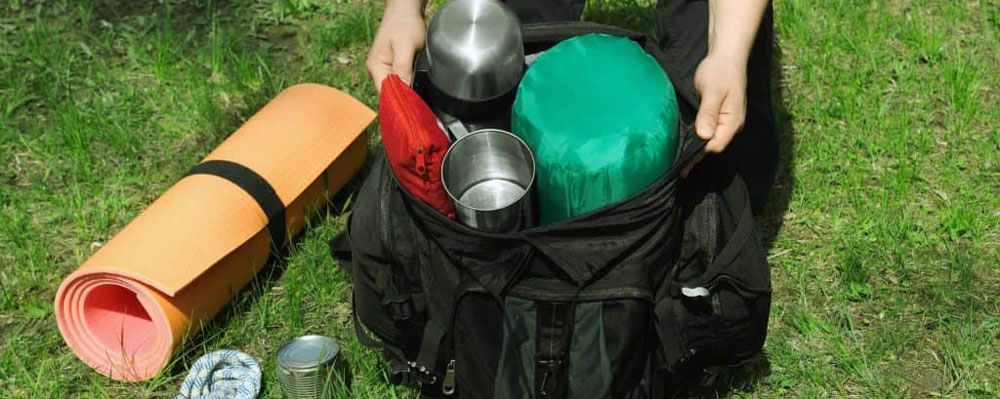
- Place lighter, less dense, and less frequently used items at the bottom of the backpack. This includes things like a sleeping pad and sleeping bag.
- Place heavier and denser items close to the center of your lower back so the weight is distributed evenly on both sides, such as your cooking system, water flask, and larger quantities of food.
- By contrast, the lightest and least dense items—such as clothing and first aid supplies—should be placed at the top of the backpack and farther away from your body.
- Items you are likely to use during the hike, such as a map and water bottle, should be stored in the external pockets and top compartment of the backpack so they are easily accessible. This helps prevent the need for constant stops to open your backpack.
Tips for packing a mountaineering backpack:
✓ ComfortThe backpack straps and shoulder straps should be adjusted so that most of the weight rests on the hips — around(70% on the hips) and (30% on the shoulders). During the hike, adjust the straps as needed to release pressure and maintain comfort.
✓ Safety
Whenever possible, all mountaineering equipment should be placed (inside the backpack). Avoid attaching too many items to the outside of the pack. External items are more likely to get damaged, lost, or fall off, and more importantly, they can affect your stability and compromise safety on challenging terrain.
An overly heavy backpack pulls you backward, causing you to lean forward automatically to return to a neutral position. The heavier the pack, the more energy you need to maintain balance.
✓ Waterproofing
A waterproof liner that can hold all your gear should be placed inside the backpack to prevent your equipment from getting wet. If you do not have access to such a liner, a reliable and inexpensive solution is to use a large drawstring garbage bag, which can be reused several times.
 Receiving information...