
Choosing the right sleeping bag is crucial for a comfortable night's sleep in the outdoors. With so many features and technical details to consider, finding the best sleeping bag for winter can be challenging. A sleeping bag is one of the most important pieces of essential mountaineering gear; it must be lightweight enough for you to carry easily, compact enough so it doesn't take up your entire backpack, and, most importantly, keep you warm and comfortable at night.
With the right equipment, you can enjoy camping during cold winter nights in relative comfort. Of course, a winter sleeping bag alone may not be enough; it must be paired with a suitable sleeping pad and a proper mountaineering tent. This guide will help you understand the key factors to consider when choosing the right mountaineering sleeping bag for cold winter weather.
The importance of choosing the right winter sleeping bag
Winter camping is a very different proposition from summer camping. Some of the conditions or environments you may encounter include heavy rain, snow, frost, or extremely cold and dry deserts. The gear needed to keep you warm and dry in cold and wet weather must meet different standards compared to a summer sleeping bag designed for mild climates. In winter, having a high-performing mountaineering sleeping bag may even keep you alive in severe temperatures.
For winter sleeping bags, weather resistance is far more important than breathability. Choosing a sleeping bag for winter involves balancing weight, price, and warmth, so you need to decide which of these matters most to you. The type of insulation also affects all of these factors. Down insulation is warm and lightweight, but it can be expensive, while synthetic insulation is heavier and not quite as warm, though it is usually more affordable.
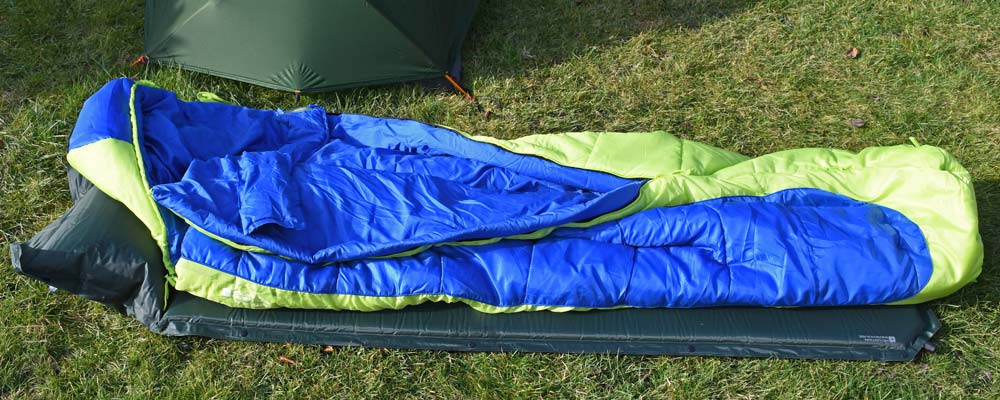
How to choose the right sleeping bag for winter?
1- Choose a sleeping bag based on temperature rating
The first thing you should do is check the temperature of your intended destination. In other words, before buying a mountaineering sleeping bag for winter, you need to determine the temperature of the environment where you plan to camp outdoors. In different cities and regions, winter temperatures can vary greatly; a winter camping night may range from **-25°C to +5°C**. It is useful to have a winter sleeping bag that is warm enough for the coldest nights, but this is a wide range, so you should base your choice on the place and time you intend to use it.
2- Choose a sleeping bag based on the insulation material
The main fill options for winter sleeping bags are down and synthetic insulation. Synthetic fibers are generally less efficient than down at retaining heat. They are also bulkier, which makes packing more difficult, and they do not maintain their loft for as long over time.
Despite these disadvantages, synthetic-filled mountaineering sleeping bags have two important advantages:
- First, when they become wet from rain or tent moisture, they retain more loft and warmth.
- Second, they are much more affordable.
If you have a limited budget or are not yet sure whether you will enjoy winter camping, a synthetic winter sleeping bag can be a very good choice as your first option.
3- Packability of a winter sleeping bag
Sleeping bags filled with synthetic insulation are much bulkier when compressed than down-filled sleeping bags. If you choose a synthetic sleeping bag, you may need a larger mountaineering backpack, which can also increase the total weight of your gear.
4- Find the right size for a mountaineering sleeping bag
If possible, visit an outdoor or mountaineering gear store and ask to try the sleeping bag so you can find the best size for yourself. Mummy sleeping bags are the most effective design for retaining body heat, and that is the main purpose of a winter sleeping bag. You do not want a bag that is too tight or the wrong length; a sleeping bag designed to match your body length and shape will provide the most efficient warmth.
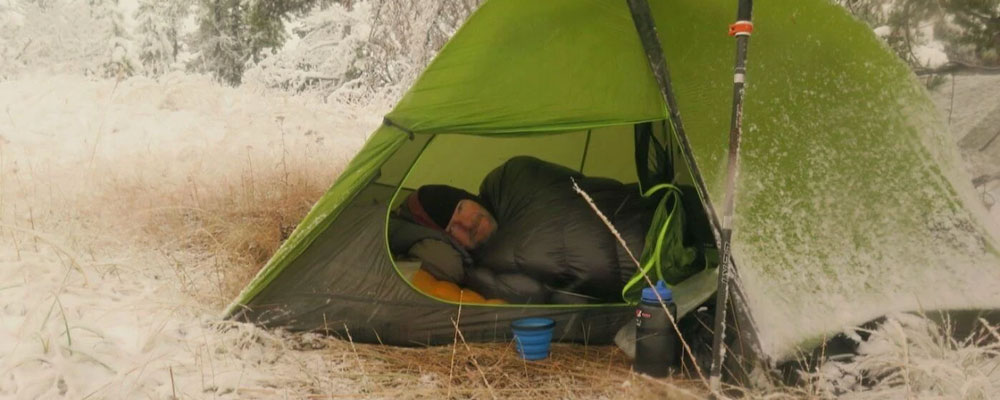
6 Tips to Maximize Warmth with a Winter Sleeping Bag
If you find yourself shivering in your sleeping bag during a winter mountaineering trip, it means you either lack the proper gear or are not using it correctly. The following tips will help increase warmth and comfort in your sleeping bag during winter:
✔ Maximize the loft of your winter sleeping bag.
Always shake out and fluff up your sleeping bag as much as possible when camping; maximizing its loft helps retain body heat. Avoid placing anything on top of the bag that might compress it, as this reduces its heat-retention capabilities rather than adding warmth. The foot section of your sleeping bag usually contains extra insulation to keep your feet warm; if you are short in stature, make sure to pull the bag up so that your feet are positioned at the very bottom.
✔ Seal your sleeping bag.
The goal of a mummy sleeping bag is to keep heat close to your body, eliminate excess heat gain, and seal off heat escapes. This means that a good quality sleeping bag will have a barrier along the zipper to prevent heat from escaping and a drawstring around the face; rectangular designs are less effective for these reasons. Also, if your sleeping bag has a neck barrier, make sure it is properly positioned to prevent heat from escaping around your neck.
✔ Ventilate the tent.
Leaving the tent door slightly open reduces condensation—a threat to your sleeping bag's performance. If the temperature is above freezing, your sleeping bag is more likely to absorb moisture when the door is kept closed. Down-filled sleeping bags lose their loft and heat-retention capabilities—rendering them ineffective—if they get wet; therefore, keeping your sleeping bag and clothing dry is crucial.
✔ Avoid wearing sweat-soaked clothing.
To maximize warmth, always sleep in fresh clothes—such as socks, sweatpants, a sweatshirt, and a knit hat—ensuring you have a dry base layer for the night. Avoid sleeping in the clothes you wore while hiking during the day, as doing so can cause you to shiver, even inside a warm sleeping bag.
✔ Use a hot water bottle or a heat pack.
Your body will eventually warm up inside the sleeping bag, but if you have lost too much heat before going to bed, you might not notice it. Placing a hot water bottle or heat pack between your thighs—near major blood vessels—quickly restores warmth to your body and helps ensure a comfortable sleep; you can also place it inside your jacket or against other parts of your body.
No single sleeping bag you buy will suffice on its own; you need a complete system for cold winter nights. While some components are optional, an insulating sleeping pad is essential, just as a mountaineering tent is necessary for wind protection. For some mountaineers, this system—beyond the pad and tent—also includes a sleeping bag liner, an extra quilt, or a hot water bottle.
 Receiving information...