
Today, regardless of your job, body type or gender, you can buy high-quality, purpose-built, comfortable and stylish workwear that will keep you safe and professional at work. Over the years, we have seen work practices, policies and working conditions change, and workwear has evolved with this change; the history of workwear is very diverse and takes on the characteristics of the generations that wore it.
Workwear has come a long way since the days of the Industrial Revolution and even before that; from the early metal and leather protectors for specialist trades such as blacksmithing and stonemasonry to the functional and stylish workwear of today. And along the way, workwear has even influenced and been influenced by general fashion. For many people, workwear can be a privilege; it shows that you are part of a team that aligns with a particular brand. The importance of wearing workwear also has benefits for the employer, as uniforms can be very beneficial for productivity, efficiency and, most importantly, employee engagement.
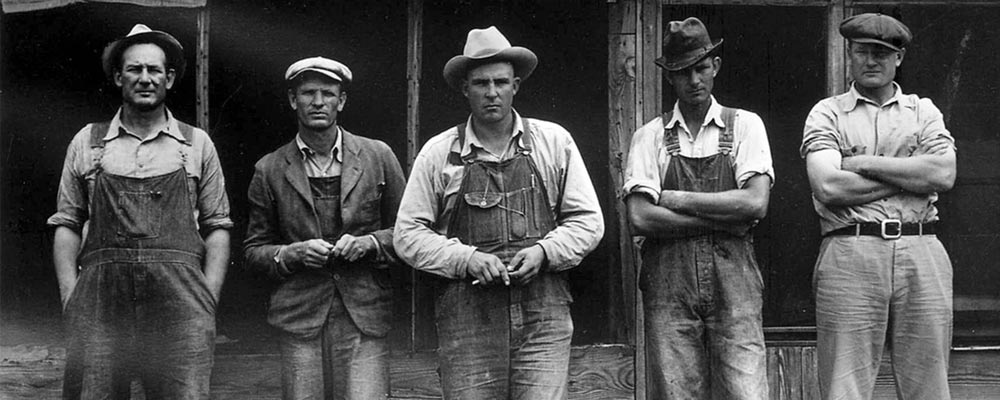
History of Workwear
The first workwear can be considered clothing designed for military purposes (the practical but not very comfortable type known as armor). Of course, the use of workwear and military clothing and personal protective equipment is still vital in the armed forces, but it has become highly specialized and is not something we associate with everyday jobs and outdoor work. Beyond personal protection, the first forms of specialized workwear were associated with specific occupations, such as blacksmithing, masonry, carpentry, glassmaking and the like, and generally included specialized leather protectors such as aprons and gloves to prevent injury from sharp or hot tools and products.
However, the broader concept of workwear really began during the Industrial Revolution with the emergence of groups interested in the safety and well-being of working people.
The First Period of Workwear
Historical research shows that the first uniforms and similar workwear can be traced back to the Middle Ages. During this period, workers wore badges on their clothing to indicate their specific job role, or to align themselves with a specific employer (often the military or serving lords). This allowed them to quickly prove their legitimacy when performing their services, and also to be easily recognized by others.
During this period, merchants who belonged to certain guilds also wore some kind of badge as workwear to show that their work and goods were of sufficient quality to be accepted and to show the public that they could be trusted. A similar legitimacy applies to the uniforms of many organizations today.
The Middle Period of Workwear
The badges that identified workers who were in the service of a particular person were soon replaced by clothes called livery; these are types of clothing covered with the colors, noble seals, and crowns, all of which are related to the family served. This type of workwear was particularly popular during the 18th and 19th centuries, with many important families requiring their employees to wear specific clothing. Employment in a well-known household (the wealthy members of society) was often considered an honour, so those clothes were worn with pride. This tradition of wearing colours and symbols to show who you worked for is still carried on by employees, with branded workwear in colours associated with the job and company.
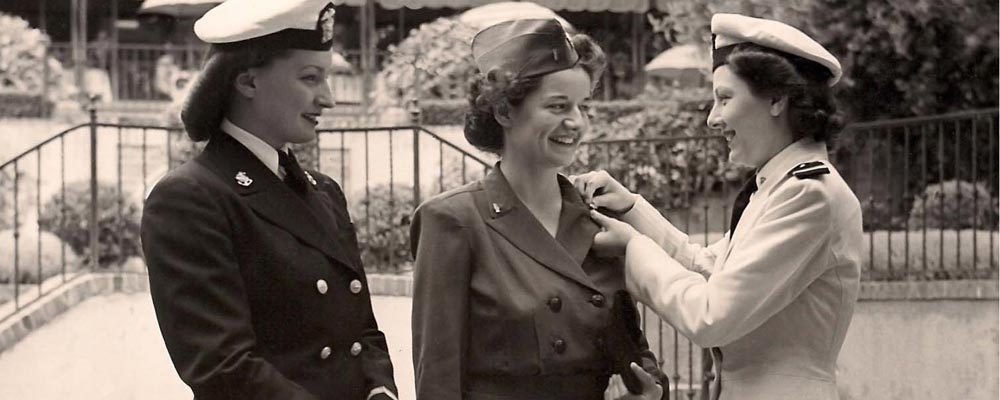
Modern workwear
The rapid expansion of industry and manufacturing in the first half of the 20th century brought with it a growth in workers' clothing, and the health and safety of factory and technical workers became a priority. In addition, there was a focus on providing workers with suitable workwear in the workplace that was safe, fit for purpose and, above all, comfortable; this coincided with the emerging concepts of branding and the desire to cover up formal workwear with office workwear. During this period, the need for workwear designed specifically for women became apparent and developed, due to the necessary recruitment of women into many traditionally male-dominated occupations during the war years. Also, with the advent of stricter and more detailed occupational health and safety regulations from the 1990s, workwear evolved at a faster pace with an increasing focus on safety, comfort and fit for the job. This included the invention of the term "personal protective equipment" which included clothing, eyewear, helmets, footwear and a wide range of other accessories designed to minimise the risk of injury to skilled and professional workers; modern workwear, while comfortable, is arguably stylish in its own right.
On the other hand, the emergence of modern workwear can be seen with the growth of chain companies that began operating in various fields. Having uniform workwear that employees wore regardless of the region in which they worked gave customers the assurance that they would receive the same service wherever they were. This type of workwear also helps customers quickly recognize a brand even in a different location. Workwear uniforms are evolving over time, with more attention being paid to diversity in the workplace, and many workwear garments incorporate technological features, or are tailored to the technology used by the wearer. Style and personal safety are also key considerations in the production of modern workwear, with new fabrics offering distinct advantages for tailoring a variety of workwear with specific features.
 Receiving information...