
If you have ever gone mountaineering or hiking in cold weather, you know how quickly your fingers can freeze; in the mountains, cold fingers become a very serious issue. So, what can be done to prevent your fingers from freezing while mountaineering? Mountaineering gloves are the obvious answer, but with the vast array of brands and types available, making a choice can be confusing—making it crucial to understand the features of a proper winter mountaineering glove.
When the weather is cold, our bodies direct blood toward vital organs while drawing it away from the fingers and toes; a good pair of gloves helps counteract this reduction in warming blood flow. Among essential mountain gear, mountaineering gloves play a vital role, offering protection against cold, wind, and snow while ensuring precision in every movement.
Features of winter mountaineering gloves
The best winter gloves are those that keep your hands and fingers warm during activity; therefore, whether you are hiking, skiing, or mountaineering, look for a pair specifically designed for that activity. A good pair of winter mountaineering gloves must provide the right amount of warmth: if they are too thick, finger dexterity is compromised, and if they are too thin, the cold will penetrate.
✔ Glove insulation can be natural (down, wool) or synthetic; the latter offers the advantage of remaining effective even when wet. Spun polyester fibers not only trap more air within a smaller volume compared to goose or duck down, but synthetic fibers also retain their shape—and consequently their performance—when wet.
✔ At high altitudes, snow, ice, and condensation can quickly penetrate poorly designed mountaineering gloves; therefore, a model suitable for winter conditions must feature a waterproof membrane that also allows sweat to escape. This feature blocks external moisture while permitting internal moisture to vent, preventing the hands from becoming wet and subsequently freezing.
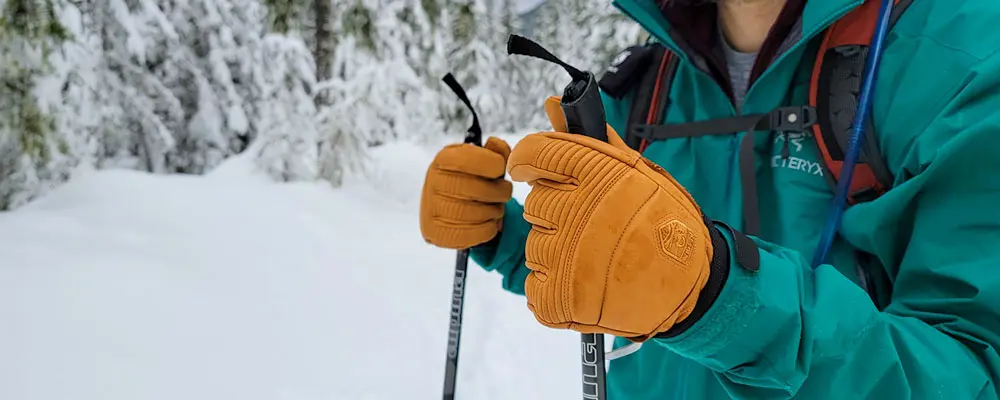
✔ In mountaineering, every movement counts; sometimes you need to adjust your harness or manipulate a small piece of gear without removing your gloves. Mountaineering glove models featuring leather or stretch palms are designed to provide excellent grip and maximum freedom of movement; some even incorporate anatomical stitching or pre-shaped fingers for greater precision.
✔ We all have hands of widely varying shapes—broad or narrow palms, and slender, short, or elongated fingers. An ill-fitting glove is, at best, a nuisance and, at worst, dangerous. If the fingers of a mountaineering glove are too small or tight, they will fail to keep your fingers warm; conversely, if they are too long, excess, loose material at the tips will hinder you from performing simple tasks.
✔ The wrist cinch and the additional fastener on the back of the hand—features of winter mountaineering gloves—both help retain body heat and prevent cold air and snow from entering. A good mountaineering glove should properly cover the junction between the sleeve and the hand; therefore, its length should extend beyond the cuff of your garment.
How to wear layered gloves for winter mountaineering?
By treating gloves as a layering system—just as you do with the rest of your mountaineering clothing—you can achieve excellent performance across various conditions without spending a fortune. If you don't own a dedicated winter mountaineering glove, you can start with a base layer; an inner liner provides extra warmth while wicking away moisture. These liners are thin and lightweight, ensuring good finger dexterity, so you won't expose your hands directly to the cold air even when you remove your insulated gloves to retrieve something from your pack.
Liner gloves offer limited protection against wind, precipitation, impact, abrasion, or tearing; therefore, you might choose mountaineering or sports gloves as an outer shell. To accommodate this base layer comfortably, it is best to select your primary gloves one size larger. You should balance the thickness of each layer to prevent your hands from sweating excessively; you can even use leather or synthetic gloves as an intermediate insulating layer. If you become too warm, you can simply remove the outer or middle gloves and stow them in your backpack until you need them again.
Tips for Keeping Hands Warm During Winter Mountaineering
If you want to prevent your hands from freezing during winter mountaineering, in addition to carrying suitable winter mountaineering gloves, keep in mind the important points outlined below:
1- Dress in layers.
If you are going mountaineering in cold weather, wear layers from the very start; it might seem like better gloves are all you need, but remember that when your body is fighting the cold, its priority is protecting vital organs—which is why your extremities get cold.
2- Avoid wearing tight or form-fitting clothing.
To ensure that base layers and thermal trousers function effectively and absorb sweat, they should be worn directly against your skin; however, avoid overly tight clothing, tight cuffs, and watches, as these can restrict blood circulation and lead to frostbite in your fingers.
3- Continue moving.
One of the main reasons you might feel cold is a lack of movement; while your legs keep moving during a hike, your hands may be hanging at your sides or gripping trekking poles tightly, which can restrict blood flow. Wiggle your fingers and rotate your wrists to get the blood circulating, or use the tried-and-true method of tucking your hands into your armpits to warm them up.
 Receiving information...