
In many industries, maintaining a safe and healthy work environment is of utmost importance, this often involves the use of personal protective equipment (PPE), and disposable safety workwear plays an important role in minimizing risks and ensuring the well-being of workers. Disposable clothing, also known as disposable workwear or coveralls, is a type of clothing that needs to be replaced regularly because it can easily become soiled or damaged.
When working with hazardous materials, disposable clothing can help prevent injury by preventing dirt, liquids, and other contaminants from coming into direct contact with your skin or regular clothing. Even if you don’t work in a hazardous environment, these garments can be useful when your job requires frequent cleaning or dirty work. Disposable workwear is also an ideal choice to avoid if you are exposed to chemicals that can permanently stain your clothing.
What is disposable workwear?
Disposable workwear is designed to protect workers from various hazards. Unlike reusable workwear, these workwear are worn once or for a short period of time and then discarded, preventing the spread of contamination and ensuring ongoing protection. If a garment is designed for single use, you don’t have to worry about cleaning it and can use it immediately. These garments can help you prevent contamination when working with hazardous materials, cleaning chemicals, dirty or wet processes, or when you need to wear special clothing such as respirators. Because these types of workwear are designed for single use only, they are less likely to be contaminated with pests or bacteria and are a good choice for specific situations.
Disposable workwear can include coveralls, gowns, gloves, aprons, and headgear, each designed to address specific workplace hazards. If you’re looking to provide your employees with even more protection, you can add more clothing and safety equipment to your program; Some of these items include face shields, helmets, knee pads, work boots, and more.
Types of Disposable Clothing
You can find disposable clothing in a variety of styles and sizes. You can also find clothing designed to protect workers from harsh weather conditions, including extreme temperatures and hazardous environments such as chemical spills. There are several types of disposable protective clothing:
• Disposable gowns: These types of clothing provide full body protection and are ideal for environments with high levels of contamination or hazardous materials.
• Disposable lab coats: These coats, worn over personal clothing, protect the body from splashes and spills of various substances and are commonly used in laboratories and medical environments.
• Disposable gowns: Provide protection for the torso and arms and are often used in healthcare environments and sterile rooms.
• Disposable aprons: Protect the front of the body from splashes and spills of various substances and are suitable for a variety of applications.
• Disposable Caps: These include puffy caps that prevent hair contamination.
• Disposable Gloves: Although not exactly workwear, gloves are essential personal protective equipment and are often used in conjunction with disposable clothing.
What materials are disposable workwear made of?
Disposable workwear is typically made from thick synthetic fabrics that are designed to protect the wearer from hazardous materials and other contaminants while still allowing the wearer to breathe comfortably. The choice of fabric for disposable safety workwear significantly affects its effectiveness and fit. Common materials used in the manufacturing process include:
✓ SMS (Spunbond Meltblown Spunbond):
SMS fabric is a three-layer nonwoven material that offers a good balance of strength, breathability, and fluid resistance, making it a cost-effective option for many disposable workwear applications and provides protection against light splashes and dust.
✓ Tyvek:
Tyvek is a high-performance material known for its superior protection against dust particles, light splashes, and some chemicals. This fabric is more durable than SMS but less breathable.
✓ Polypropylene:
Polypropylene is a lightweight, breathable material that is often used to make disposable gowns and aprons. While it offers good protection against light splashes, it may not be suitable for applications that require high chemical resistance.
Why are disposable gowns important?
Designed to fit comfortably, but not so loose that they get caught in machinery or pose a tripping hazard, disposable gowns come in a variety of styles, including short and long sleeves, and with various closures, pockets, and other features. Disposable gowns are an important part of your safety program, they can help you prevent contamination from hazards such as blood-borne pathogens, blood splashes, chemicals and other hazardous contaminants. Disposable gowns can also be used for emergencies such as equipment
They can also be useful when your employees need to wear special gowns designed for added protection, such as those worn by workers exposed to radiation or radioactive materials.
Disposable Gowns in Industries
Disposable gowns have a wide range of uses in various industries, including:
1. Most important use in healthcare:
Hospitals, clinics, and other healthcare facilities rely heavily on disposable gloves and gowns to prevent the spread of infection and protect employees from bodily fluids and pathogens, which is also critical for infection control and patient safety.
2. Disposable Gowns in Manufacturing:
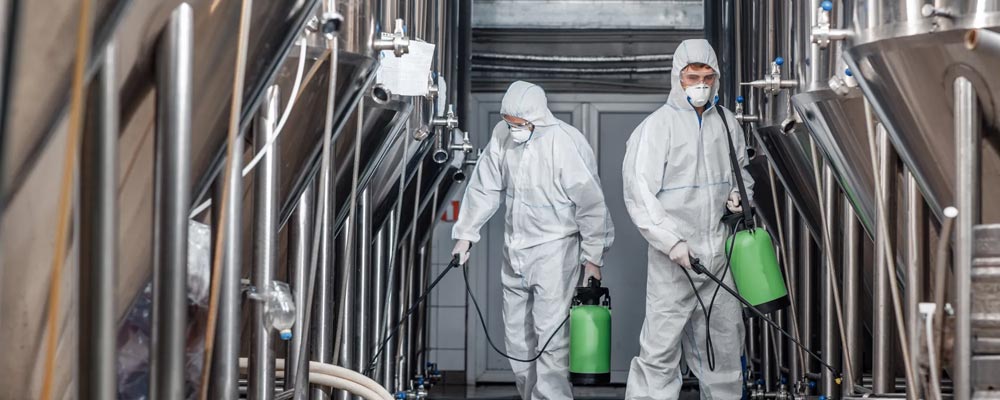
In manufacturing industries, disposable gowns protect workers from dust, chemicals, and other airborne contaminants. Specific uses include use when spray painting, handling hazardous materials, and working in sterile environments.
3. Food Processing:
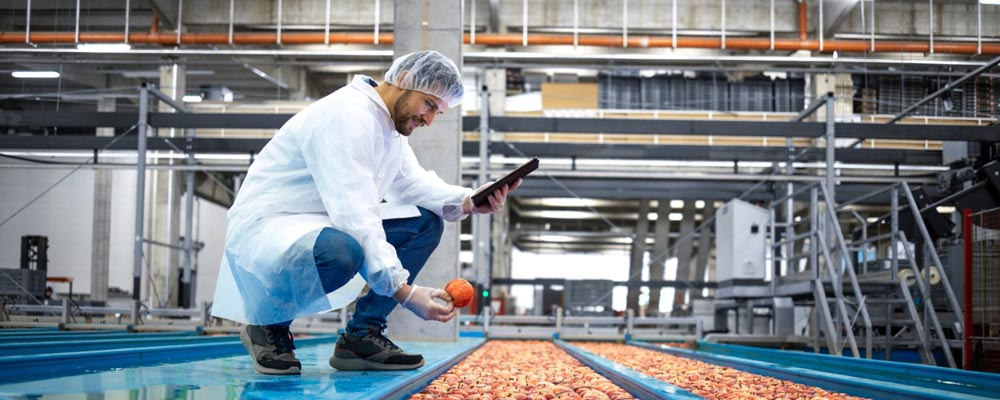
Hygiene is very important in food processing, the use of disposable clothing including gowns, aprons, caps and gloves in the food industry minimizes the risk of contamination, ensures food safety and meets regulatory standards.
4. Important use of disposable clothing in laboratories:
Laboratories use disposable lab coats, masks and gloves to protect researchers from chemical spills, biological hazards and other potential contaminants. This ensures the accuracy of experiments and the safety of workers.
5. Disposable clothing for construction:
Although disposable workwear is less common than reusable clothing, it can be used on industrial workwear, in certain construction jobs involving hazardous materials or in situations that require quick changes to prevent cross-contamination.
6. Cleaning and Hygiene:
Professionals in cleaning and hygiene-related industries often use disposable clothing to protect themselves from exposure to cleaning chemicals and biohazards. This ensures their safety and also prevents the spread of contamination.
 Receiving information...