
After choosing a climbing location and deciding on the type of trip, it is essential to have all the necessary equipment with you, having the right climbing gear can be the difference between a successful trip and an early return or worse. Packing your climbing gear is a delicate balance between making sure you have everything you need and avoiding carrying extra weight. Climbing, especially professionally, can be tough, unpredictable and sometimes downright dangerous; that is why having the right gear is not just a good idea, it is essential.
How to choose your climbing essentials?
Climbing is more than just climbing a mountain, it is a combination of hiking, speed climbing, rock climbing and sometimes even skiing, all with the aim of reaching a specific point or peak. In fact, the sport can be as simple as walking up a hill or trudging up a snowy mountain trail. Having climbing gear is essential, but you don’t need everything; Hiking requires preparation and the ability to make sound decisions. Avoid unnecessary gear and focus on things that will ensure safety, warmth, and efficiency on your route.
Some gear is worthy of taking up space in your hiking backpack, but you should avoid overstuffing your pack with unnecessary items. You don’t need a wardrobe for a two-day trip, just light, functional, and carefully selected gear. Carrying the necessary gear for hiking can be life-saving in emergencies, prioritizing warmth and protection at high altitudes can make a big difference. Every piece of gear you bring on this trail should have a purpose, think about functionality and lightness, this will allow you to enjoy the hiking experience without additional fatigue.
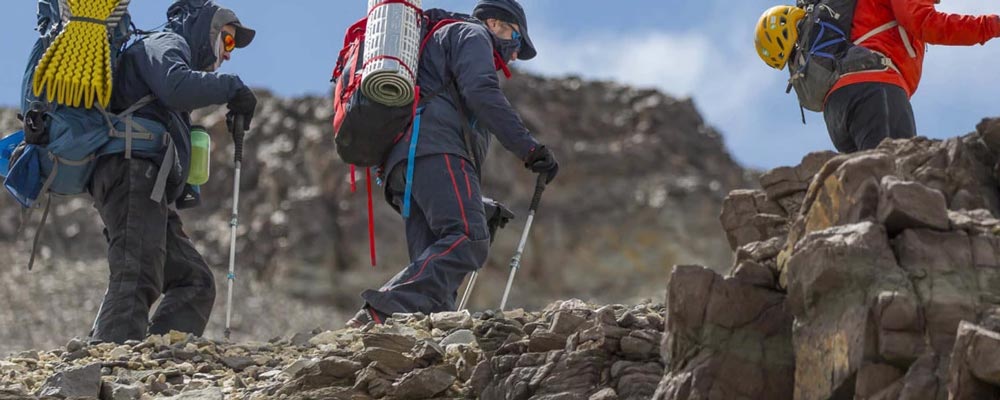
Mountaineering Equipment and Supplies
Mountaineering requires a balance between safety, comfort and performance, whether you are a beginner or an experienced climber, having the right equipment is crucial for success and survival in challenging environments. From properly packing your climbing gear to choosing the best tent, having the right equipment will make your trip safer, easier and more enjoyable. Of course, you should keep in mind that not all climbing trips are the same and each may require different types of equipment and clothing, so always ask your guide for a complete list of equipment required for each route before you set off. Regardless of your approach, a proper climbing equipment checklist will help you know what to bring with you, but these items should be selected according to the nature of the trip, the weather and the complexity of the route.
First of all, you should choose a climbing backpack that suits your needs, whose structure, volume, weight, size and durability are suitable for your climbing conditions; The larger the size and volume of the backpack, the more equipment it can hold, but it will also weigh more. Therefore, before choosing, you should consider the hiking route and the number of days you are going to be on the trail, so that you can decide on the size and weight of your backpack.
1- Suitable climbing clothing
Mountaineering requires multi-layered clothing to cope with extreme temperature fluctuations and unpredictable weather. The layering system consists of three parts: the base layer (moisture wicking), the middle layer (insulation) and the outer layer (weather protection). Bring a warm hat that covers your ears with a neck protector, for your hands, use warm gloves for cold temperatures and a pair of lighter gloves for support.
2- Climbing equipment
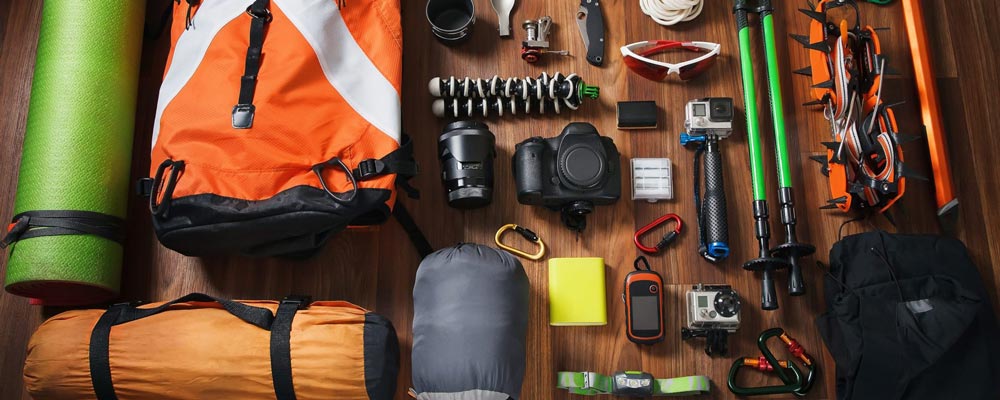
The main tools needed for climbing that ensure you can safely cross steep terrain and snowy slopes, such as climbing boots, ice axe, rope and climbing or descending equipment. Hiking boots are a significant investment, especially if you plan to use them regularly. They are designed to last and provide the support, comfort, and insulation needed on challenging terrain in harsh conditions. Essential features of a good hiking boot or shoe include a firm sole, waterproof and breathable, thermal insulation, and ankle support on uneven terrain.
3. Navigation Equipment
Knowing where you are and where you are going is essential for safety in the mountains; that’s why it’s important to carry equipment like a topographic map of the area, a compass, a GPS device, or a smartphone with a mapping app.
4. Shelter and Sleeping Gear
For overnight trips, it’s essential to bring along adequate shelter and sleeping gear like a hiking tent, sleeping bag, sleeping mat, and a hiking pole or crampon (optional, for balance) for warmth and comfort.
5- Cooking and Food Preparation
Mountaineering requires a significant amount of energy, so proper nutrition and hydration are key, so it is essential to bring the following items: a torch and gas canister, cooking utensils, a flask of food and water, and waterproof matches or fire starter.
6- The right food for hiking
Bring enough high-calorie foods with you to use during the hike; quick and easy meals such as dry foods, energy bars, nuts, and dried fruits are ideal for hiking. These small, nutritious foods are great for a quick snack without adding too much weight to your backpack.
7- Personal items and first aid
Choose small items to take up less space in your backpack and ensure they are functional without sacrificing essentials. In mountaineering, safety is of utmost importance, so you can be prepared for any emergency or unexpected situation by using the following items:
• First aid kit including painkillers, disinfectant and bandages
• Sunscreen and lip balm
• Sunglasses or eye protection
• Waterproof headlamp with a durable battery
• Multi-purpose pliers or knife
• Personal hygiene items (toothbrush, wet wipes and power bank)
8- Packing and carrying equipment
Efficient packing is very important for a successful mountaineering, carry all your equipment well in a sturdy backpack that is suitable for the length of your trip. You can also use waist bags to carry important documents.
 Receiving information...