
Winter hiking requires careful preparation, especially when it comes to choosing the right clothing and equipment for your mountain trails. You may experience a wide range of weather conditions when hiking. The goal of winter hiking gear is to stay warm, dry, comfortable, and safe. The clothing you choose will affect your comfort level. Exactly what layers you choose will depend on your hiking style, but this guide will help you understand the basics of dressing for hiking..
Winter Hiking Layering
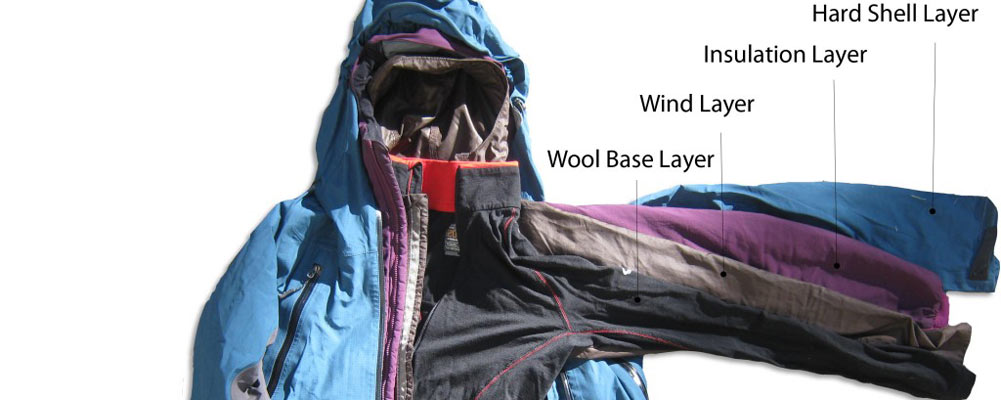
The key to winter hiking is to wear layers that keep you both warm and dry, which means protecting you from the elements as well as from sweating. Winter hiking layering involves strategically combining base, mid, and outer layers to regulate your body temperature, manage moisture, and create versatility that ensures you stay warm, dry, and comfortable in cold weather conditions. You don't necessarily need to wear all the layers at once and you can take some of your clothes with you with other climbing gear. The goal of wearing layers is to stay warm, but also to prevent excessive sweating; so if you get hot, reduce the layers and, depending on the difficulty of the route and the weather conditions, add more layers if you get cold.
1- The base layer of winter climbing clothing
The base layer of your clothing should be tight, comfortable and able to absorb excess moisture from the skin, it is recommended to choose this layer made of wool or synthetic materials. Never use cotton as it dries slowly and makes you feel cold.
2- The middle layer in winter climbing clothing
For the middle layer of winter climbing clothing, you should choose a fabric that provides an extra layer of warmth but is also breathable and easy to move in.
3- Insulation layer in mountaineering clothes
An insulation layer in winter clothing is absolutely essential for mountaineering, you should always carry an insulated and warm jacket.
4- Outer layer of winter mountaineering clothes
To complete your winter mountaineering clothing layering system, you should have a reliable waterproof outer shell that provides protection against rain, wind and snow; the purpose of the outer layer is to keep you and your other clothes dry.
Winter mountaineering jackets
When buying a jacket for mountaineering, you should choose a durable waterproof material that has these features while being lightweight so that it can be worn comfortably. The fit of your winter mountaineering jacket is also very important in maintaining your protection, if the jacket you choose is too small, it will restrict your movement, and if your jacket is too big, it will be cold and windy.
While you don’t want to pack a lot of gear in your pockets when hiking, it’s good to have them easily accessible, and hiking jackets usually have pockets on the upper body.
Winter Hiking Pants
Like jackets, when buying winter hiking pants, durable fabric is important to protect you from the elements. Reinforcements in high-wear areas like the seat, knees, and ankles ensure that you have more effective protection for longer. Hiking pants with internal gaiters (the elastic or tape that gathers the bottom of the pants) help keep snow and moisture out, as well as retain heat and prevent any cold air from entering your pants. Having a side zipper on your hiking pants allows for a lot of flexibility, making them easier to put on and take off, but also provides extra ventilation if needed.
Choosing a Winter Hiking Hat
When outdoors, regardless of the time of year, a hat is essential for hiking and backpacking, so it’s a good idea to have a spare hat in case you need it. Wearing the right winter hiking hat can be important, as it helps to keep the sun, rain, and snow out of your face with a well-fitting brim. Some hats are waterproof, while others have a stiff brim at the front to keep the elements out of your face. Whichever one you choose, make sure it’s the right size: too tight can give you a headache, and too loose can cause the wind to blow it off your head.
Features of Winter Hiking Gloves
Choosing gloves is one where personal preference really comes into play, and a good fit is crucial when trying to climb to your limits. When choosing gloves for winter climbing, you’ll probably need more than one pair; at least one pair with a warm lining and a waterproof outer pair. Lined gloves should be warm and able to wick away sweat while still providing a little bulk for agility. Wool-lined gloves are popular for their excellent performance and light weight, with some even coming with touchscreen compatibility on the fingertips.
A quality climbing glove will be made from a waterproof and breathable fabric that is very durable, and those with articulated fingers are often more comfortable and allow your hands to be in a more natural position when working with tools. Thick insulation on the back of the hand and thinner insulation on the palm will ensure a better combination of dexterity and insulation, and having a wrist strap will allow you to take the gloves off without worrying about them getting lost.
What is the best fabric for winter mountaineering clothing?
The evolution of technologies used in mountaineering clothing is always making new fabrics available to choose from. Make your choice based on the activity you will be doing and the weather you will encounter. The fabrics you can choose from are:• Down: light, insulating, but delicate.
• Wool: breathable, absorbent, but can cause itching. (Not suitable for a base layer)
• Synthetic: breathable, durable, but less insulating than down and wool.
These three fabrics can play a role simultaneously and in different proportions in the composition of mountaineering clothing and hats. Waterproof and breathable fabrics include:
• Gore-Tex membrane: extremely durable, guarantees water protection and maximum breathability.
• Evo-Shell: not only high-performance, waterproof and breathable, but also environmentally friendly.
It is important to choose the fabric that best suits your needs for staying warm and dry on winter hiking so that you can fully and safely enjoy your experience.
 Receiving information...