
When it comes to mountaineering, selecting the right gear is essential, and among these necessities, mountaineering trousers play an undeniable role; they must be comfortable, durable, and perfectly fitted. A key reason why mountaineering trousers belong in everyone's wardrobe is their versatility across a wide range of activities—such as hiking, mountaineering, indoor and outdoor rock climbing, skiing, and cycling. People even wear them for non-sporting activities like picnics, gardening, or visiting a café.
Types of mountaineering trousers
Mountaineering trousers come in a variety of styles; some are designed to suit a wide range of mountaineering conditions, while others excel in specific environments or for particular activities. The main categories of mountaineering trousers are outlined below:
1- Lightweight and breathable hiking pants
If you are a serious mountaineer or simply want a pair of trousers that are comfortable, breathable, and flexible, lightweight mountaineering trousers are a great choice. They are ideal for fair weather since they are not waterproof; however, the lightweight material typically dries quickly.
2- Heavy-duty, durable mountaineering trousers
If you are embarking on a multi-day mountaineering trip or tackling a challenging route, you need trousers that are durable enough to withstand the rigors of the activity. Heavy-duty mountaineering trousers are typically made from rugged materials, such as thick canvas; however, to ensure comfort and flexibility, a blend of heavy-duty and lighter-weight fabrics is often used, with the tougher materials placed in high-wear areas like the knees, shins, and seat.
3- Waterproof hiking pants
Whether it rains or snows, waterproof trousers keep you dry; they are available in the same sizes and with the same features as standard hiking trousers. The main difference lies in the material, as soft fabrics, cotton, and other common trouser materials are not waterproof—Gore-Tex, for instance, is a popular choice for waterproof hiking trousers. While waterproof materials can be breathable, if maximum breathability is your priority, you should opt for lightweight or durable trousers made from materials specifically engineered for ventilation.
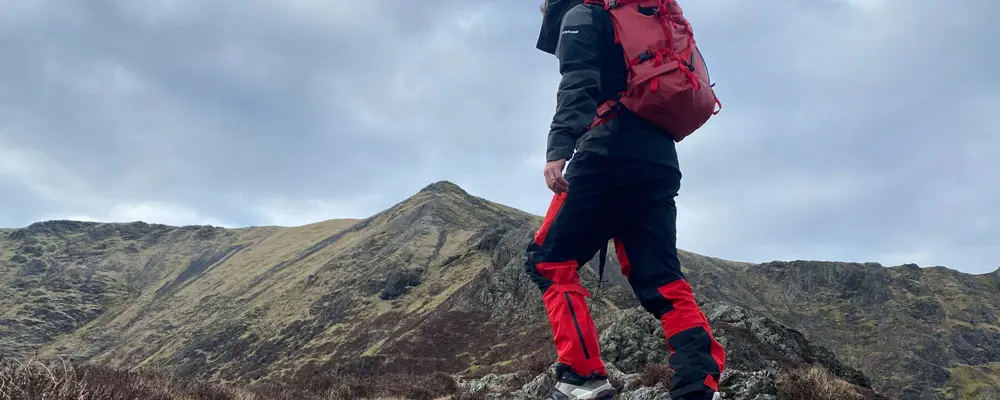
Although some brands offer more models in this category, hiking trousers generally come in four standard size variations:
✓ Full-Length Hiking Pants
Full-length pants hold a special place among hikers for many reasons; they provide full leg coverage to keep you warm while protecting your legs from thorny bushes, poisonous plants, and scrapes or abrasions. For winter hiking, opt for thicker fabrics or fleece-lined versions to ensure extra warmth; in summer, lightweight hiking pants offer excellent sun protection, keeping you cool while also shielding you from bothersome insects.
✓ Convertible Pants
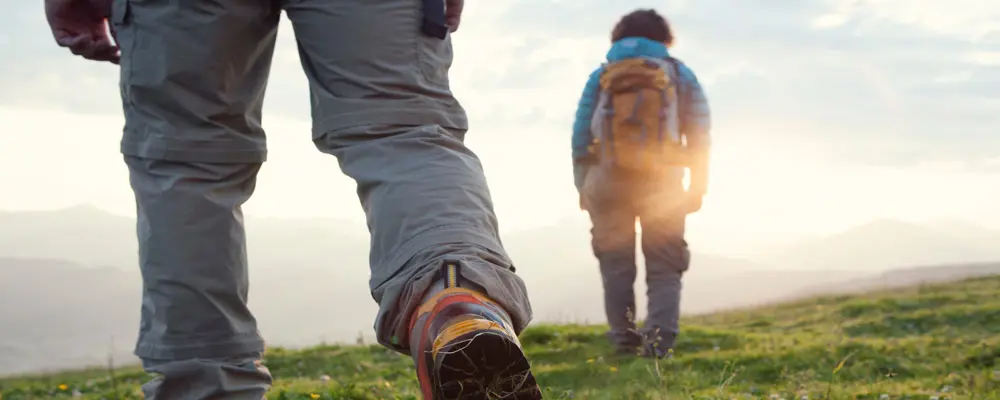
Convertible pants—also known as zip-off pants—easily transform from full-length trousers into cool shorts, making them ideal for unpredictable weather and constantly changing trail conditions. They offer ultimate versatility for hiking; you can simply detach the lower leg sections, stow them in your pack, and reattach them whenever needed. For even greater convenience, look for a "T-zip" feature, which allows you to remove the lower leg sections without taking off your boots.
✓ Hiking Shorts
For hot summer days, wearing shorts for hiking is often more practical than wearing long trousers; hiking shorts offer nearly all the features of hiking pants and come in durable, lightweight materials. They are a popular choice because they provide freedom of movement and ample ventilation—especially in warmer weather—but be mindful that exposed legs are vulnerable to the elements, ranging from scorching sun and bothersome insect bites to rough terrain and thorny brush.
✓ Form-fitting pants (leggings)
For hot days or strenuous climbs, many hikers prefer stretch pants or hiking leggings over standard trousers. While these form-fitting pants offer excellent comfort, they provide minimal protection against abrasions and may not be the best choice for hiking through dense undergrowth or over rugged terrain.
Should you wear shorts or trousers when hiking?
Choosing between long trousers and shorts for hiking depends on several factors: the weather, the terrain, your personal preference, and the difficulty of the hike. Long trousers act as a reliable shield, keeping you warm and protected—especially in cold weather or when traversing rugged terrain. On the other hand, shorts offer a breath of fresh air, allowing for freedom of movement and keeping you cool, particularly in hot weather or on easier trails. However, if you prefer not to expose your legs or are concerned about sunburn and scratches, there are hiking trousers equipped with ventilation zippers; these keep you cool and comfortable while still providing that extra layer of protection.
What fabrics are mountaineering trousers made from?
The material of your hiking pants is also a crucial factor; the best choice depends on the weather conditions, your level of activity, and the durability you require. The fabrics used influence key aspects such as performance, comfort, weight, and drape; brands often utilize a combination of materials—such as blends of synthetic and natural fibers—to leverage the specific advantages of each.
1- Synthetic fibers
Synthetic fibers are what you will likely find in your hiking pants; this is because they offer technical advantages such as wind, water, and abrasion resistance. They are also more breathable and lightweight, dry faster than cotton, and retain their color better. On the other hand, synthetic fibers are typically derived from chemicals and petroleum-based products, can shed microplastics during washing, and are not biodegradable. The most common synthetic materials used to make hiking pants include:
• Polyester: This cost-effective material possesses mechanical stretch, meaning it is flexible without the addition of elastic fibers. Compared to other synthetic materials, polyester has lower abrasion resistance but is wrinkle-resistant; it can be blended with other synthetics (often spandex) to increase its elasticity.
• Nylon: A durable synthetic material known for its abrasion resistance and tear strength; while not inherently elastic, it can be blended with other synthetic materials to increase elasticity.
• Spandex: This material is often used in form-fitting garments (such as tights or leggings) or to add stretch to other hiking trousers; however, washing or drying with heat can cause it to lose its shape and elasticity. Spandex is less breathable than other fabrics, tends to trap odors, and is prone to snagging on rough or sharp surfaces.
2- Natural fibers
As their name suggests, these materials are found in nature in the form of fibers; derived from animal, plant, or mineral sources, they are renewable, sustainable, and biodegradable. Common natural fibers used in the production of mountaineering trousers include cotton: this abrasion-resistant and breathable plant-based fabric is frequently used for such trousers. However, like other types of trousers, cotton mountaineering pants tend to loosen during wear. Furthermore, cotton's heavier weight and high absorbency mean it takes longer to dry.
• Hemp: Hemp is a natural, renewable material that can enhance the durability of hiking pants; however, it has a coarser texture (though it softens over time) and lacks stretch.• Bamboo and other cellulose-based fibers: While these materials are exceptionally soft, lightweight, and breathable, they tend to drape loosely and lack the structure needed for well-tailored hiking pants.
• Wool: This natural fiber—typically sourced from sheep—offers numerous benefits, particularly ultra-fine Merino wool. It is soft, stretchy, and moisture-wicking, as well as resistant to odors, stains, and static electricity. Merino is commonly used in base layers, socks, and gloves, but it may also appear in the lining of heavier winter hiking pants.
 Receiving information...