
Whether you are preparing for a day hike or planning a week-long camping trip, choosing the right food can help you feel great along the way. The best foods to consume before and during a hike act as fuel, powering you through the start and continuation of your trek, as well as aiding your recovery afterward. When planning meals for long hikes, look for snacks and dishes that are lightweight, filling, and nutritious—providing the energy you need to tackle even the most challenging trails or extended expeditions.
Foods to Eat Before Hiking
The best foods to eat before a hike are those that provide sufficient energy while keeping you feeling full without weighing you down. By starting your day with a healthy, protein-rich meal, you can maintain high energy levels throughout the hike—and keep your backpack lighter—by simply enjoying small, healthy snacks every few hours. Instead of fatty or sugary foods that can leave you feeling tired or sluggish, opt for a pre-hike meal containing complex carbohydrates and protein to ensure energy that lasts all day. Here are some of the best foods to eat before a hike:
1. Oatmeal: Oatmeal is rich in fiber and healthy carbohydrates, making it an excellent choice for sustained energy; add peanut butter, nuts, dried fruit, or honey to boost protein content and enhance the flavor.
2. Eggs: Eggs are packed with protein and are easy to transport and prepare, making them an ideal pre-hike breakfast option. A large egg contains approximately 77 calories and 6 grams of protein, and is also rich in B vitamins and amino acids that aid in energy production.
3. Fruits: Fruits that are high in carbohydrates and rich in delicious natural sugars make for an excellent pre-hike meal or a convenient snack. Bananas, for instance, are a great choice as they provide healthy carbohydrates and are rich in potassium and vitamin B6.
4. Vegetables: Like fruits, many vegetables contain healthy complex carbohydrates. Excellent vegetables to enjoy before a hike include carrots, sweet potatoes, dark leafy greens, and beets.
5. Nut butter: Nut butters—such as almond, cashew, pecan, and classic peanut butter—are excellent sources of protein and fiber, providing healthy energy and supporting muscle growth.
6. Lean meat: Lean meats, such as chicken or fish, provide ample protein without excess fat; protein is a crucial nutrient for boosting metabolism and aiding in muscle building and repair.
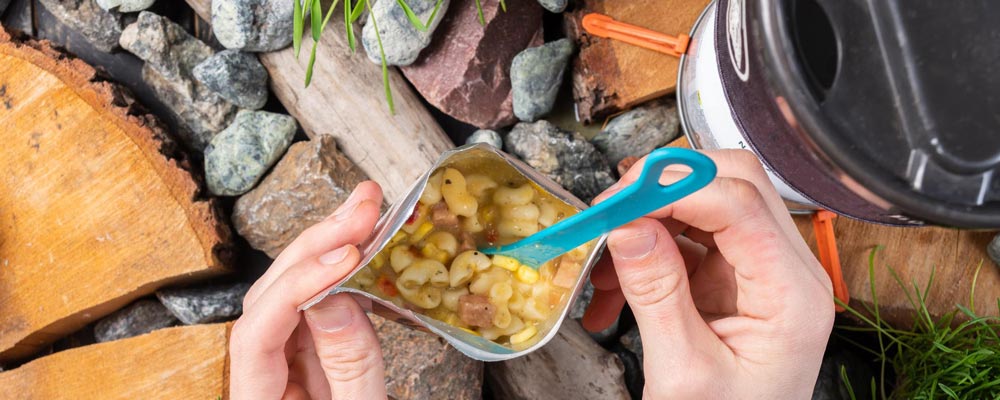
7. Pasta: A bowl of whole-grain pasta is an excellent source of carbohydrates before a long hike; mix in lean meat and vegetables to create a balanced, protein-rich meal.
Tips for Choosing the Right Food for Long Mountaineering Trips
Selecting nutritious and filling foods to fuel energy during long or challenging camping trips is vital; the best foods for long treks are lightweight, compact, convenient to use, and healthy. Hikers often prefer a variety of foods along the trail, and choosing the right snacks and meals also influences how effectively you pack your backpack. By following these tips, you can select the right food and maintain your energy levels for longer periods:
✔ Focus on sustained energy:
The best foods for hiking are those rich in nutrients that provide sustained energy. Instead of sugars that offer only a quick energy spike, opt for proteins, fiber, complex carbohydrates, and healthy fats; these digest slowly and release a steady supply of energy.
✔ Stay hydrated:
Drink water before your hike and carry enough to last the entire day. Drink water regularly—even if it is cold and you do not feel thirsty. Consuming salty snacks alongside water throughout the day is important for maintaining blood sodium levels.
✔ Choose lightweight foods:
When covering miles of terrain daily, every ounce of extra weight in your pack makes a difference; reduce your backpack's weight by opting for lightweight, compact options like dehydrated or freeze-dried meals.
✔ Pack the right amount:
Estimate your daily calorie expenditure—factoring in your body weight, pack weight, and the hike's duration and difficulty—to ensure you bring enough food. However, it is always advisable to pack a little extra to maintain your energy levels should you fall behind schedule or the trek takes longer than expected; also, keep in mind that hiking in cold weather requires more calories to keep your body warm.
✔ Pack easy-to-prepare meals:
After a long day, you need meals that can be cooked in a single pot, such as dehydrated meals, rice, or instant noodles.
✔ Minimize gear and utensils:
To keep your backpack as light as possible, choose foods that require minimal cooking equipment. Alternatively, you can use a food flask to carry hot meals for a one- or two-day hike.
✔ Water filter or purification tablets:
Since you won't have enough space in your backpack to carry bottled water for the entire trip, you can bring a water purification method instead, such as a small portable water filter or purification tablets.
✔ Powdered drink mixes:
Adding powdered drink mixes or protein powder to water can provide extra electrolytes to keep you refreshed and energized, as well as boost your protein intake.
Light, high-energy foods for long mountaineering trips
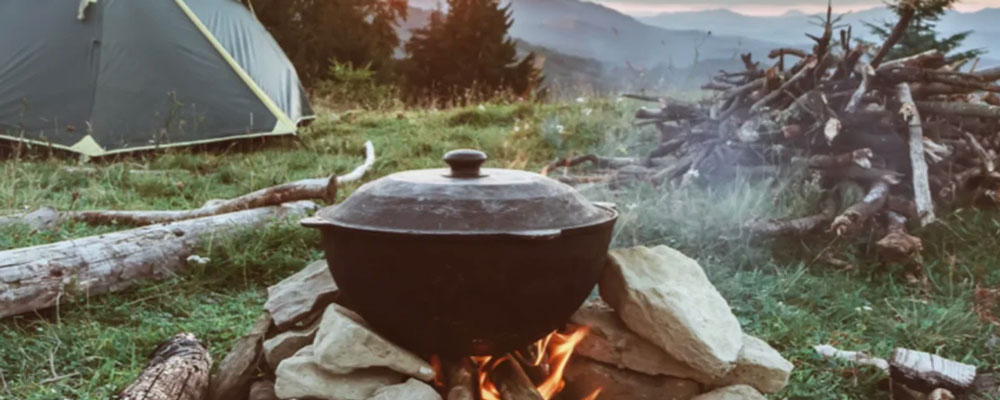
While a good meal before a hike keeps your energy levels up for a long time, it is still important to refuel your body during the trek itself. For multi-day hiking trips, pack healthy, filling meals to replenish your energy and aid in muscle recovery. Although you can carry dried or no-cook foods, enjoying a hot meal cooked over a campfire is both delightful and provides an extra energy boost. Here are some backpacking food ideas to inspire your trailside dinners:
• Instant oatmeal is a quick and easy breakfast choice.
• Instant noodles and rice—which are quick and easy to prepare—are popular, carbohydrate-rich meal options for lunch and dinner during long hikes.
• Bulgur cooks even faster than rice and is rich in fiber and carbohydrates.
• Instant dry soups come in a wide variety of flavors and can be prepared quickly with hot water; broth-based soups can provide extra protein and sodium.
• Dried vegetables are an excellent way to add more vitamins and minerals to your hiking meals; mix them into your noodles, rice, bulgur, or soup to enhance both flavor and nutritional value.
• Lentils are rich in protein, fiber, and iron; beyond simply cooking them as a stew, you can add them to rice or other carbohydrate sources.
• Like lentils, beans are packed with protein and other nutrients; they are easy to carry and serve as an excellent base for a meal.
• Although dried meat products—such as those made from turkey, salmon, or other lean meats—are often pricier than other hiking foods, they offer great convenience and come in a variety of flavors. They provide sustained energy, take up very little space in your backpack, and are truly filling.
• If the extra weight isn't an issue for you, you can opt for canned chicken, meat, or fish instead of dried varieties.
• Rich in calories, carbohydrates, fiber, and protein, hummus is a healthy and energizing snack; it pairs perfectly with fresh vegetables or can be enjoyed with crackers and tortillas.
Which snacks are suitable for mountaineering?
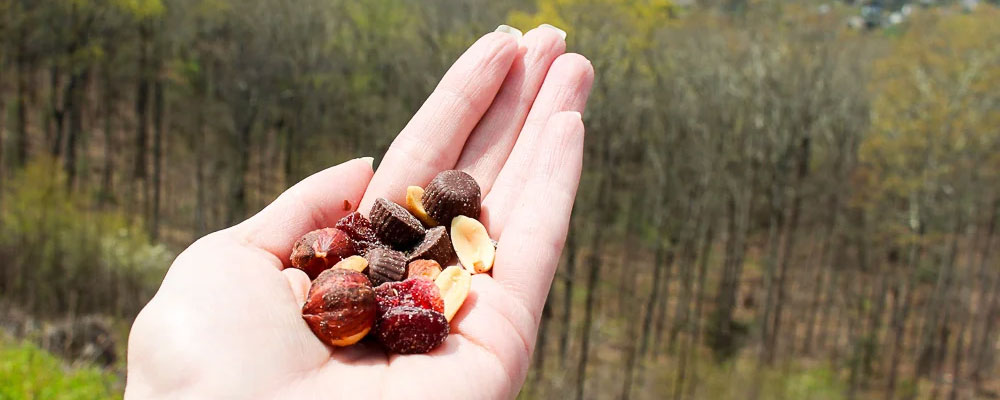
In addition to main meals, you should carry enough compact, nutritious food to have a small snack roughly every two hours; by regularly supplying your body with nutrients, you can maintain your energy levels throughout the climb. Choosing snacks that are compact, lightweight, and energizing not only reduces the weight of your pack but also frees up space for other mountaineering gear. The best lightweight, high-energy snacks for long climbs include:
✔ Granola bars containing nuts, dried fruits, berries, and honey or agave nectar make excellent snacks for the trail.
✔ Fruits and vegetables such as apples, oranges, pears, bell peppers, and carrots are good sources of energy and are perfect for a quick break during long hikes.
✔ Dried or freeze-dried fruits and vegetables are ideal for camping trips where backpack space is limited. Dried fruits can provide a good source of vitamins and minerals without unhealthy processed sugars.
✔ Cheese is a fantastic source of energy and simply delicious; it is an excellent option to round out a meal on the trail, as it is rich in nutrients and calories, as well as being a great source of protein.
✔ A classic snack: nuts and seeds—sources of healthy fats and good protein.
✔ Energy chews or gels offer the same benefits as nutrition bars but take up less space in your backpack and are quicker to consume.
✔ Nut butter and a tortilla make an excellent snack for a long day.
Foods you should not eat during a long hike:
You should avoid foods such as sugary cereals, overly sweet chocolates, pancakes, and waffles; these can slow you down on your hike—hardly ideal if you are looking forward to an exciting day on the trail. While pasta, potatoes, and rice provide excellent energy, an excess of carbohydrates can weigh you down, so it is best to limit the portion sizes of these foods before or during your hike. It is also worth noting that you should avoid caffeine and alcohol during your hikes, as these beverages ultimately deplete your energy and lead to dehydration.
When mountaineering at a professional level, your digestion may slow down because the body diverts blood away from internal organs toward working muscles. Blood is also drawn to the skin's surface to facilitate heat dissipation and regulate body temperature; consequently, it is advisable to consume smaller, more frequent meals while on the mountain. Furthermore, your digestive system does not function as efficiently at high altitudes, as digesting food and converting it into energy requires significant oxygen—a resource that is less abundant in your bloodstream at such elevations. Since burning fat requires more oxygen than burning sugar, try to keep your meals and mountaineering snacks low in fat to avoid digestive issues.
 Receiving information...