
Some jobs are performed in relatively harsh environments; therefore, it is necessary to wear workwear that is appropriate for the working conditions and the environment. If your work environment is outdoors or you are constantly dealing with water, you must wear waterproof workwear to keep yourself warm and dry throughout your shift. The most demanding jobs require heavy-duty workwear to keep you safe, particularly in technical and industrial roles, where the environment is hazardous.
Waterproof workwear
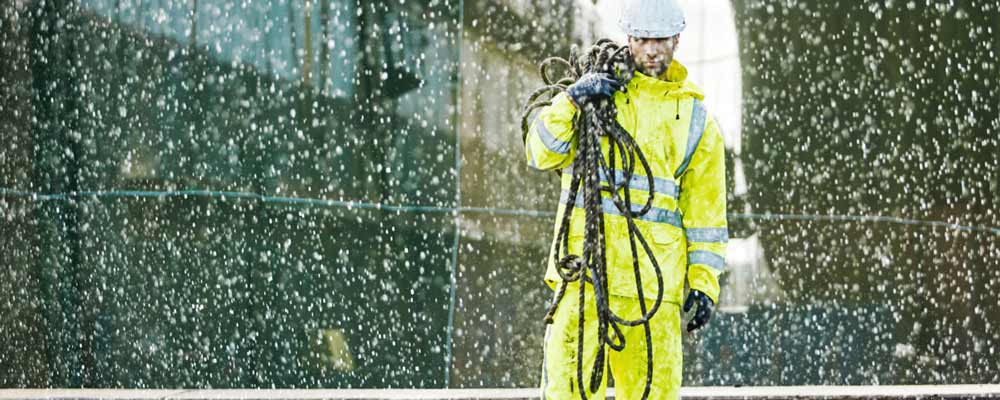
Waterproof workwear is a specialized type of safety gear where quality is paramount, though it is not always easy to find. If workers in outdoor environments—especially in adverse weather conditions—do not use waterproof clothing, their work efficiency will be significantly reduced due to becoming wet and cold. Garments produced with waterproof properties for such jobs include one-piece waterproof coveralls, trousers, jackets, and waterproof smocks. Various styles of these workwear garments are available, but combining waterproof workwear with high-visibility clothing can provide a higher level of safety in potentially hazardous environments.
Waterproof workwear not only provides excellent protection against water but also features wind-resistant properties, which can help retain internal body heat when outdoor temperatures drop. Many waterproof workwear items are breathable, which alleviates concerns about excessive sweating in warmer conditions.
Relevant standards for waterproof workwear
If you work outdoors in any weather, it is essential to wear suitable clothing, especially clothing with waterproof properties. The EN 343:2019 standard is a European standard with three values that indicate the level of protection provided, the first value refers to the waterproofness and the second to the breathability of the workwear; both values are rated on a scale of 1 to 4. The third value is indicated by an R or an X, R means that the workwear has been tested during rainfall and X if the product has not been subjected to this test. The EN 343 standard has two values, rated on a scale of 1-3; workwear certified to the EN 343 standard is also tested for, among other things, tear resistance and stretchability.
Waterproof workwear fabric
There are various types of workwear fabrics available, but to achieve waterproof properties, specific types must be used, including:
• PVC (Polyvinyl Chloride): A man-made polymer fabric with water-repellent properties and is therefore used in coats, jackets, shoes and aprons.
• Nitrile: An oil-resistant rubber, commonly used in work gloves, aprons and boots.
• PU coating: Fabrics are sprayed with a PU (polyurethane) coating before being made into workwear.
• Polyester: A man-made fabric that is extremely strong and durable; it is waterproof, dries quickly, holds its shape in harsh conditions, and is easy to wash.
• DWR (Durable Water Repellent) coating: A method of coating workwear fabric after a laminate or membrane has been applied to create a protective barrier. Excessive washing can remove the water-repellent coating, so you should use a specific product to clean it.
• GoreTex: This brand is the best microporous membrane fabric, providing excellent levels of waterproofing and breathability.
Most types of industrial and waterproof workwear are made from PVC or a material containing PVC; this material is a popular choice because it offers a wide range of benefits for waterproof workwear. It is flexible, so it can be stretched for greater comfort, but it is also durable and strong, and can withstand everything from chemicals to abrasion.
What are the features of waterproof workwear?
Now that you know what fabric to look for when buying waterproof workwear, you should think about other features of the workwear. These are the features that help make workwear waterproof and you will find that they make a big difference in wearability and longevity:
• Having strong and reinforced zippers
• Adjustable cuffs and a higher back for added protection against water ingress
• Reinforced seams to prevent water ingress and ensure the workwear lasts as long as possible.
Modern technologies in fabric production are very advanced and have allowed designers of waterproof workwear to reduce its weight. Lightweight types of workwear provide complete freedom of movement for people and do not require you to burn extra energy while wearing them.
Breathability of waterproof workwear fabric
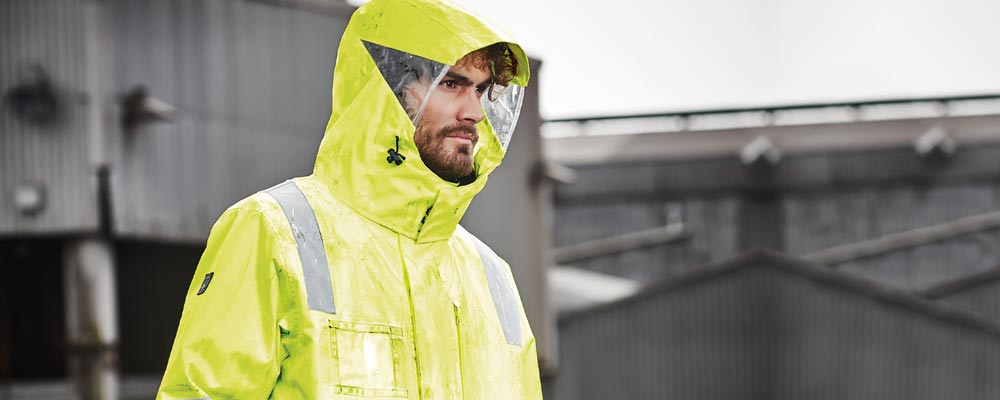
Breathable waterproof workwear allows moisture vapor to escape quickly and dries faster; this is especially important if you are very active, as it helps keep you comfortable and dry. Breathability depends on the fabric's ability to transfer moisture and vapor from the inside to the outside (permeability). Waterproofness and breathability are achieved when the pores of the fabric are small enough to prevent large water droplets from penetrating, while allowing smaller sweat droplets to pass through. However, oil and dirt from the inside can clog the pores of the fabric and reduce its breathability. Breathable waterproof workwear works best when the air inside is humid and hot and the air outside is cold and dry.
On the other hand, it is possible to sew logos and brands onto some waterproof clothing, however, printing them is recommended, as the sewing process creates tiny holes in the fabric and destroys the waterproof properties of the clothing.
Who needs waterproof workwear?
If you work in a job that involves contact with chemicals, abrasives or is physically demanding, you should definitely wear waterproof clothing, for example, construction workers and those working in the agricultural industry. One-piece or two-piece workwear including jackets, trousers and casual workwear can easily tear or start to leak water when exposed to the demands of these jobs. Of course, the use of waterproof workwear is only covered by PPE regulations when it is necessary to protect workers from adverse weather conditions (and hazardous substances), which could otherwise potentially affect their health and safety.Workers working near beaches, coast guards, farmers and forestry workers, or those working in construction and traffic control, who spend long periods of time outdoors due to their working conditions, will be exposed to the weather and should wear waterproof work clothing.
 Receiving information...