
After every mountaineering trip, inspect your sleeping bag to determine whether it needs cleaning before packing and storing it. You do not need to wash your sleeping bag frequently, but a dirty sleeping bag will not perform as well as a clean one.
When it comes to cleaning and maintaining a mountaineering sleeping bag, the type of sleeping bag plays a crucial role in how it should be cared for. Whether your sleeping ba is filled with down or synthetic insulation, proper care and cleaning will help keep it fresh, maintain its performance, and ensure it is ready for many adventures to come.
Why Should You Clean Your Sleeping Bag?
Sleeping bags are an essential part of your mountaineering and camping gear, and they can make the difference between a comfortable night's sleep and a challenging one. That's why taking good care of them is so important.
Over time, sweat, body oils, dirt, and debris from your outdoor adventures accumulate on your sleeping bag. This not only leads to unpleasant odors but can also damage the insulation, reducing its ability to retain warmth and comfort. Regular cleaning helps maintain your sleeping bag's performance, ensuring it stays in excellent condition and lasts through many more mountaineering adventures
How to Clean a Mountaineering Sleeping Bag
As a general rule, the less often you wash your sleeping bag, the better. Washing a mountaineering sleeping bag can expose it to mechanical wear and may even reduce the performance of its insulation. However, if it is used regularly and becomes dirty, giving it a thorough wash is certainly a sensible choice. If you only need to remove minor dirt or stains, we recommend spot cleaning as the first step.
✓ Spot Cleaning:
Use a mild soap, warm water, and a soft sponge to gently clean any dirty or stained areas—typically the parts of the sleeping bag that receive the most use. Once cleaned, hang the sleeping bag in a well-ventilated area and allow it to dry completely.
✓ Eliminate Odors Naturally:
If your sleeping bag has developed a musty or unpleasant odor since its last use, try airing it out in fresh air and sunlight. This simple method can help eliminate unwanted odors without the need for a full wash.
Use a Sleeping Bag Liner to Keep Your Sleeping Bag Clean for Longer.
The first line of defense for keeping your mountaineering sleeping bag clean is to use a sleeping bag liner while you sleep. A liner helps prevent sweat and body oils from coming into direct contact with the sleeping bag's fabric.
In addition, always use your sleeping bag inside a tent or place it on a sleeping pad or groundsheet/tarp to protect it from dirt and moisture.
Sleeping bag liners are easy to wash and can keep your sleeping bag clean for much longer. By reducing the need for frequent washing, they also help preserve the bag's thermal performance and extend its overall lifespan.

Can You Wash a Mountaineering Sleeping Bag in a Washing Machine?
The short answer is yes, but there are a few important things to keep in mind.
The first rule is to always check the care label on your specific sleeping bag, as the recommended cleaning method may vary depending on its fabric and insulation type.
Whenever possible, avoid machine washing more often than necessary. Instead, air out your sleeping bag thoroughly after use, remove light dirt or small stains with a clean, damp cloth, and use a sleeping bag liner to extend the time between washes.
However, once your sleeping bag shows visible dirt, stains, or oil buildup, it's time to give it a proper wash.
Preparing Your Sleeping Bag for Washing
Before washing your sleeping bag, there are a few important steps you should take to prepare it properly:
* Check the manufacturer's care instructions: This should always be your first step. The care label on your sleeping bag provides specific washing instructions, and some models—especially down-filled sleeping bags—require special care.* Close all the zippers: Before washing, make sure every zipper is fully closed. This simple step helps prevent the fabric from snagging or tearing during the wash cycle.
* Turn the sleeping bag inside out: This small trick helps protect the outer shell while allowing the inner lining—the part that accumulates the most body oils and dirt—to be cleaned more thoroughly.
How to Wash a Mountaineering Sleeping Bag in a Washing Machine
How to Wash a Mountaineering Sleeping Bag in a Washing Machine
Follow these steps to safely and effectively clean your sleeping bag:
1. Use a Front-Loading Washing Machine
Always use a front-loading washing machine, as it is much gentler on your sleeping bag. Top-loading machines with a central agitator can twist, stretch, or damage the fabric and insulation.
2. Loosen All Drawcords and Straps
Before placing the sleeping bag in the washing machine, loosen any drawcords, compression straps, or adjustable closures. This simple step helps prevent unnecessary stress and damage during the wash cycle.
3. Use a Specialized Sleeping Bag Detergent
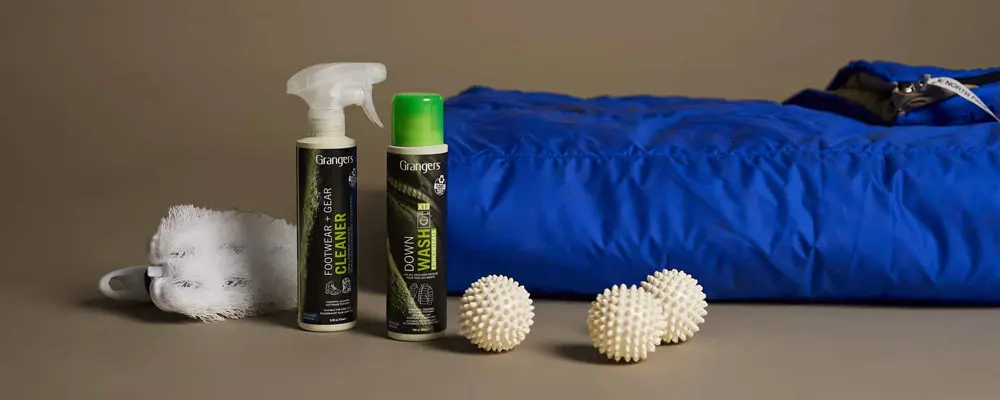
Choose a detergent specifically designed for sleeping bags or insulated outdoor gear. Specialized cleaners help preserve the insulation, improve drying performance, and extend the lifespan of your sleeping bag.
Down insulation relies on its natural oils to maintain loft and warmth. Regular household detergents strip away these oils, reducing the insulation's effectiveness over time. While synthetic insulation is generally more durable than down, it also benefits from cleaners formulated for technical outdoor fabrics.
For down sleeping bags, use a cleaner that restores water repellency while reviving the insulation's loft and breathability. For synthetic sleeping bags, choose a cleaner that helps maintain the insulating air pockets between the fibers, keeping you warm and comfortable while also improving water repellency in damp or wet conditions.
4. Select a Gentle Wash Cycle
Wash the sleeping bag using a gentle or delicate cycle with cold or lukewarm water. This helps protect both the outer fabric and the insulation.
5. Rinse Thoroughly
Make sure all detergent is completely rinsed out. Any soap residue left behind can reduce the sleeping bag's loft and negatively affect the performance of its insulation.
How to Hand Wash a Mountaineering Sleeping Bag
If you prefer to wash your sleeping bag by hand, we recommend using a bathtub or another container large enough for the sleeping bag to be fully submerged.
First, make sure the tub is clean. Fill it with lukewarm water and add the recommended amount of specialized sleeping bag detergent. Submerge the sleeping bag completely and gently knead or agitate it by hand to loosen dirt and oils.
Once you've drained the soapy water, roll the sleeping bag from the foot end toward the top to press out as much soapy water as possible without wringing or twisting it.
Refill the tub with clean water and rinse the sleeping bag thoroughly. Repeat the rinsing process several times until all traces of detergent have been removed.
Important: Never lift or carry your mountaineering sleeping bag while it is fully saturated with water.
How to Dry a Sleeping Bag
Drying a sleeping bag is just as important as washing it; here is how to do it correctly:
✓ A large, commercial-grade dryer is the best option; your sleeping bag needs plenty of space to tumble and loft.
✓ Use a low-heat setting to avoid damaging the insulation or melting synthetic fibers; the temperature should never exceed 50°C.
✓ Toss in a few clean tennis balls or dryer balls; they help break up clumps in the insulation and keep your sleeping bag fluffy.
✓ Drying a sleeping bag can take some time; ensure it is completely dry before packing it away to prevent mold and mildew.
Store Your Sleeping Bag Uncompressed
Once your mountaineering sleeping bag is completely dry, store it in a cool, dry place without compressing it. Storing the bag in a compressed state for extended periods can damage the insulation, reducing its loft and, consequently, its warmth. Over time, compression can cause the fibers or down clusters to clump together, creating cold spots and diminishing the bag's overall effectiveness. Storing the sleeping bag loosely helps maintain its loft, ensuring it remains warm and comfortable while extending its overall lifespan.
How Often Should You Wash a Mountaineering Sleeping Bag?
How often you should wash your mountaineering sleeping bag depends largely on how frequently you use it.If you're regularly hiking, backpacking, or camping, giving your sleeping bag a thorough wash at the end of each season is a good practice. If you only use it once or twice a year, washing it every two years is generally sufficient.
In between full washes, spot cleaning and airing out your sleeping bag after each trip can help keep it fresh, extend the time between washes, and preserve its performance for years to come.
 Receiving information...