
In many industries, workwear is more than just a uniform; it is an essential component that ensures the safety, comfort and productivity of employees. Different weather conditions present unique challenges and raise the importance of choosing the right workwear for each weather condition; however, there are many points to consider when purchasing. With ever-changing conditions and work environments, it is crucial to ensure that your team has access to the right workwear for every weather; taking workers’ requests for more protective and comfortable clothing seriously will always lead to a better safety culture with fewer incidents.
The Importance of Choosing Workwear Based on Weather Conditions
Maintaining the right body temperature is essential for comfortable, safe and productive work, but it can be a major challenge in climates or work environments where the temperature is very high or low. Take the metals industry, for example, where steelworkers are exposed to extremely high temperatures every day, or operators who perform physically demanding tasks in humid or hot weather. Without the right protective workwear, workers in these environments can easily experience heat stress in the form of fatigue, muscle cramps, or heat exhaustion.
On the other side of the climate spectrum, prolonged exposure to cold can be just as dangerous, causing loss of sensation in the limbs, frostbite, or hypothermia. Needless to say, when choosing workwear for such environments, it is very important to consider the temperature, environment, wind speed, likelihood of precipitation, and time of day when performing tasks. When performing job duties in cold environments, cold stress is a reality that can affect many workers if they are not well equipped and do not wear the right workwear. To avoid these types of work hazards, you should definitely choose your workwear for cold environments carefully, as your comfort and safety depend on this decision.
Workwear production standards for weather conditions
There are various standards for the production of workwear, such as EN 13688, which refer to the basic requirements for the design, material and performance of safety clothing, but the following standards specifically address the characteristics of workwear in specific weather conditions:
✓ The EN 343 standard specifies the requirements and test methods for the performance of materials and ready-made garments to protect against the effects of adverse weather conditions such as precipitation. In addition to the fabric used, the entire structure of the workwear is taken into account for these conditions, the required and monitored criteria are breathability, ideal body temperature maintenance and good resistance to pressure.
✓ The UV 801 standard is one of the most stringent testing and certification systems for fabrics and workwear in the world, which tests sun protection textiles under real conditions of use. Because in everyday use, UV protection is often severely reduced due to moisture, stretching, abrasion and washing. Workwear tested to UV 801 provides the most reliable protection against the sun outdoors.
✓ EN 342 describes the requirements and test methods for workwear designed to protect against the effects of environments with temperatures below -5°C. This standard assesses the parameters of the air permeability class, thermal insulation and breathability level.

A guide to choosing workwear for different seasons
Each season brings different weather conditions that can affect the type of workwear required, understanding these requirements is the first step to ensuring adequate protection and comfort for employees, especially those working outdoors.
1- Suitable workwear for spring
Spring can be unpredictable, with temperature fluctuations and frequent rain showers, the following features to look for when buying workwear suitable for such weather include:
• Breathable fabrics: Choose blends such as 70/30 cotton or moisture-wicking fabrics that keep the body cool in hot moments and dry in rainy ones.
• Layering: Lightweight jackets, vests, and long-sleeved shirts that can be layered provide the flexibility needed to adapt to temperature changes in spring.
• Waterproof clothing: Waterproof jackets and pants are essential for protection against sudden downpours and keep workers dry and comfortable.
• Reflective elements: Longer daylight hours and variable weather conditions make high-visibility workwear essential to ensure safety, especially for outdoor workers.
2- Choosing workwear for the summer heat
High summer temperatures and intense sun exposure call for workwear that prioritizes coolness and protection.
• Lightweight fabrics: Materials such as cotton, linen, and moisture-wicking synthetic fibers are ideal for hot weather, helping to regulate body temperature and wick away sweat.
• UV protection: Fabrics that meet the UV 801 standard protect the skin from the sun’s harmful rays, reducing the risk of sunburn and long-term damage.
• High air circulation: Workwear with mesh panels or ventilated designs increases airflow and prevents heatstroke.
• Hydration reminders: Using accessories like a water bottle holder while working can help prevent heat-related illnesses.
3. Workwear for fall weather conditions
Similar to spring, fall weather can be variable, so it’s important to wear layers to adapt to temperature changes throughout the day.
• Layering: Combining base, mid, and outer layers allows workers to adjust their clothing to different temperatures throughout the day.
• Insulation: Lightweight insulated jackets and vests provide warmth without overheating in cool mornings and evenings.
• Wind and water resistance: Fall often brings wind and rain, making it essential to wear windproof and waterproof workwear.
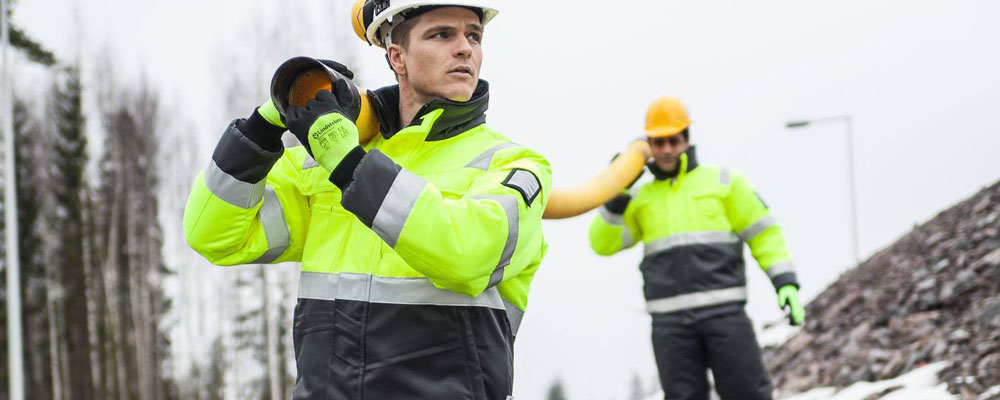
• High-visibility clothing: Shorter days and longer nights require high-visibility workwear and reflective elements to ensure safety in low-light conditions.
4. Winter Workwear Requirements
The cold temperatures, snow, and ice of winter require insulated and weather-resistant workwear to keep workers warm and dry while still ensuring mobility and safety.
• Insulated clothing: Jackets, work pants, and heavy-duty insulated gloves keep you warm even in freezing temperatures.
• Waterproof materials: Waterproof and windproof fabrics in workwear prevent moisture and cold air from penetrating, keeping you dry and warm.
• Layering: Base layers of workwear made of moisture-wicking materials, mid layers for insulation, and outer layers for protection are crucial for keeping your body warm in the winter. While it makes sense to wear the thickest layers when the temperature drops, the reality is that those who work outdoors will benefit much more from the versatility of layering their workwear.
• Safety features: Non-slip footwear and high-visibility elements are vital to avoiding accidents on icy surfaces and in low-light conditions.
 Receiving information...