
Every year, thousands of preventable injuries occur in workplaces due to a simple oversight: improper workwear. While companies invest heavily in training, equipment, and safety protocols, basic protection, which starts with the type of clothing workers wear, is often overlooked. An ill-fitting shoe or worn-out glove can mean the difference between a routine job and a life-changing accident. Let’s talk about the importance of workwear and how to prevent occupational accidents with it.
The Importance of Wearing Workwear in the Workplace
In our daily lives, safety clothing is of great importance for people working in various professions. These clothes are designed to ensure personal safety while working, protect against potential hazards, and take precautions against various risks. The importance of wearing proper and safe workwear goes beyond meeting workplace safety standards; it also plays an important role in protecting the health and lives of workers. Safety clothing is commonly used in hazardous work environments such as the construction sector, chemical industry and fire and electrical teams. Workers in these professions are well aware of the importance of wearing appropriate work clothing, which in summary includes the following:
• Ensuring personal safety
• Preventing occupational accidents
• Protecting against various hazards
• Complying with legal standards
• Ensuring the psychological well-being of workers
How to choose the right work clothing to prevent occupational accidents?
Choosing the right work clothing is more than just matching the uniform to the role, safety managers and human resource managers must evaluate certain factors to ensure a comprehensive approach. This can ensure that the clothing meets safety, comfort and environmental standards. Here are four things to consider when choosing work clothing for your safety department:
1- Assess the workplace and the specific hazards of each job.
Each workplace has its own set of hazards, for example, workers in the manufacturing sector must wear flame-resistant (FR) clothing to prevent burns. Those who are near machinery may need tear-resistant fabrics to prevent entrapment. High-visibility clothing is vital in all high-traffic areas, as it indicates the presence of operators and workers on site. It also helps to track workplace accidents in low light or extreme weather conditions; in such situations, equipment with reflective strips or bright colors can help increase visibility.
2- Material durability and worker comfort.
Workers should be able to move freely and be comfortable in different temperatures. The materials and fabrics of workwear should be durable, breathable, comfortable and protective against all weather conditions.
3- Compliance with industry safety regulations.
When choosing workwear, it is very important to comply with safety regulations to protect employees. Industries such as manufacturing, healthcare and construction have specific requirements. Consider a paint or chemical facility, for example, which requires its workers to wear protective respiratory equipment such as gas masks. Organizations like the Occupational Safety and Health Administration enforce these laws and keep companies afloat by ensuring that workwear manufacturers adhere to these standards.
4- Ensure the proper size and fit of safety equipment.
Although it may be overlooked, the fit of workwear is also important in keeping people safe. Workwear that is too small restricts mobility and can cause discomfort and accidents. Workwear that is too large can also cause tripping and tripping, leading to work-related injuries. Therefore, different and adjustable sizes should be provided in workwear so that workers can do their jobs safely.
Workwear and Occupational Accident Prevention
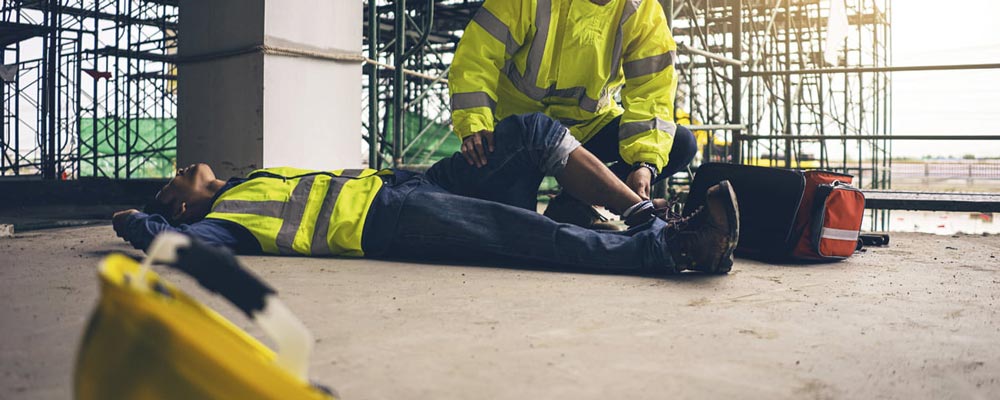
The importance of safety workwear, which is designed to protect workers from accidents such as electrical, chemical, mechanical and biological hazards, is undeniable. Safety workwear can offer countless benefits to businesses across industries, from reducing injuries and improving productivity to saving costs and increasing branding. Perhaps the most obvious benefit of workwear is that it helps prevent workplace accidents, as safety clothing is specifically designed to protect workers from various types of injuries that can occur in different industries. For example, workplace accidents on construction sites or manufacturing plants include hazards such as cuts, punctures, burns, and abrasions from machinery, equipment, or sharp objects. In addition, workers in industries such as waste management, chemical plants, hospitals, or laboratories are exposed to hazardous substances that can cause serious health problems.
Workwear, especially those designed with safety in mind, serves multiple purposes. They not only provide a seamless and professional look, but also incorporate features that enhance worker safety. For example, high-visibility clothing ensures that workers are easily seen by co-workers and machine operators, significantly reducing the likelihood of accidents and injuries. By wearing standard workwear, workers can significantly reduce the risk of accidents and injuries, ensuring a safer work environment for everyone.
Safety tips for workwear to prevent accidents
✓ Use ballistic pants
Ballistic pants are designed to prevent injury by providing protection against ballistic threats such as shrapnel. These pants are made from high-strength materials such as Kevlar, which is a type of aramid fiber and is known for its exceptional strength and durability. When a sharp object hits these types of pants, the fabric of the pants deforms and stretches to absorb the energy of the impact, which helps to disperse the force of the impact and reduce the likelihood of injury to the individual.
✓ Hi-Vis Clothing
High-visibility, or hi-vis, workwear is designed to protect against injury by increasing a person’s visibility in low-light or high-traffic environments. These garments usually feature bright colors such as neon green, orange, or yellow or reflective strips that are easily visible even from a distance. The bright colors of high-vis clothing alert others to the person’s presence and make it easier for them to avoid collisions or other accidents, which is especially important in situations where the person may be working near moving vehicles, heavy machinery, or other hazards.
In general, hi-vis workwear plays an important role in preventing workplace accidents by increasing a person’s visibility and alerting others to their presence. This is especially important in industries such as construction, transportation and emergency services, where workers may be exposed to hazardous environments and risks. In environments where visibility can be compromised (such as night shifts or in poorly lit areas), the use of these garments becomes essential to maintaining a safe working environment.
✓ Use of safety shoes
Work safety shoes are designed to protect the feet and toes from impact, crushing and puncture injuries, as well as protection against slips and electrical hazards. This part of the workwear is usually made of durable and protective materials such as leather, composite materials or steel, which offer varying levels of protection against hazards. One of the main features of workplace safety shoes is their reinforced toe cap, this protective feature can prevent injuries from falling objects, heavy equipment or accidental impacts. Slip-resistant soles are another essential feature of safety shoes, they provide a firm grip on wet or slippery surfaces and prevent slips and falls. Protection against electrical hazards is another feature of safety shoes, with some models designed to reduce the risk of electrocution by providing insulation against electrical currents.
In addition to these features, work safety shoes are designed to be comfortable and provide support during long working hours, they often have cushioned insoles, breathable linings and ankle support for added comfort and stability.
 Receiving information...