Get free shipping for purchases over 200,000 Tomans.
- ASANPOOSH WORK WEAR (Since 1980)
Get free shipping for purchases over 200,000 Tomans.
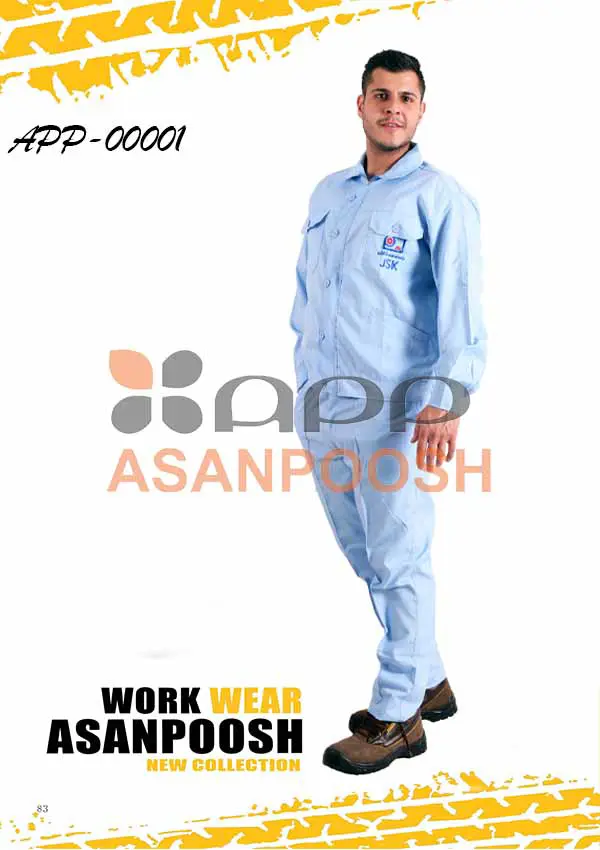
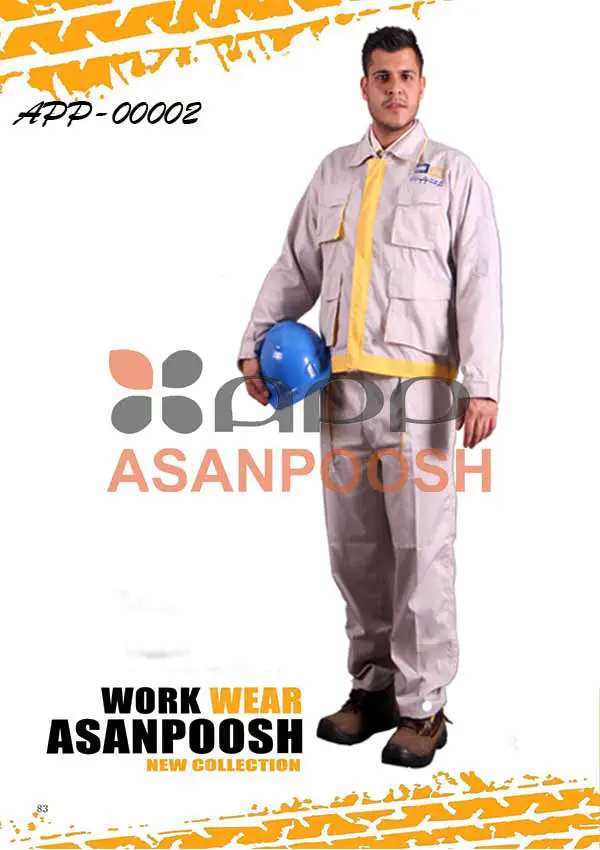
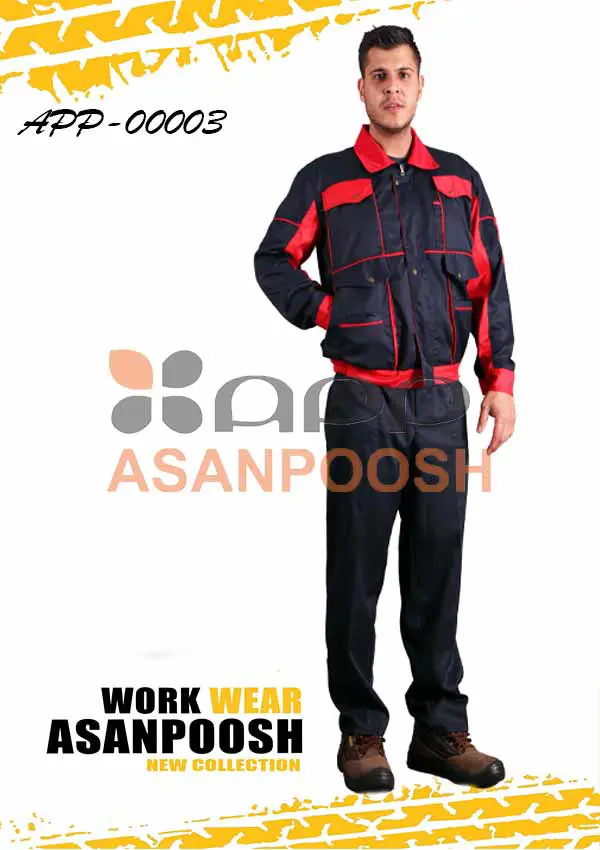
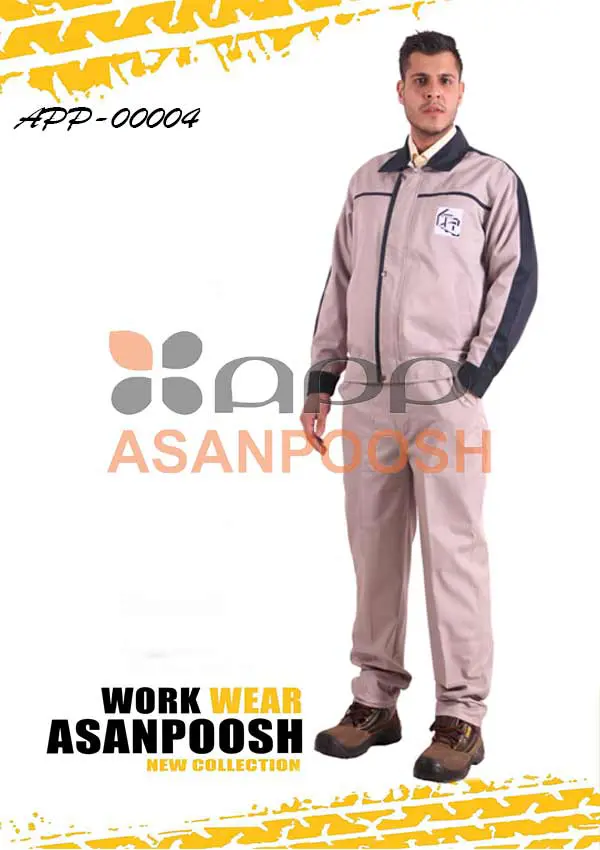
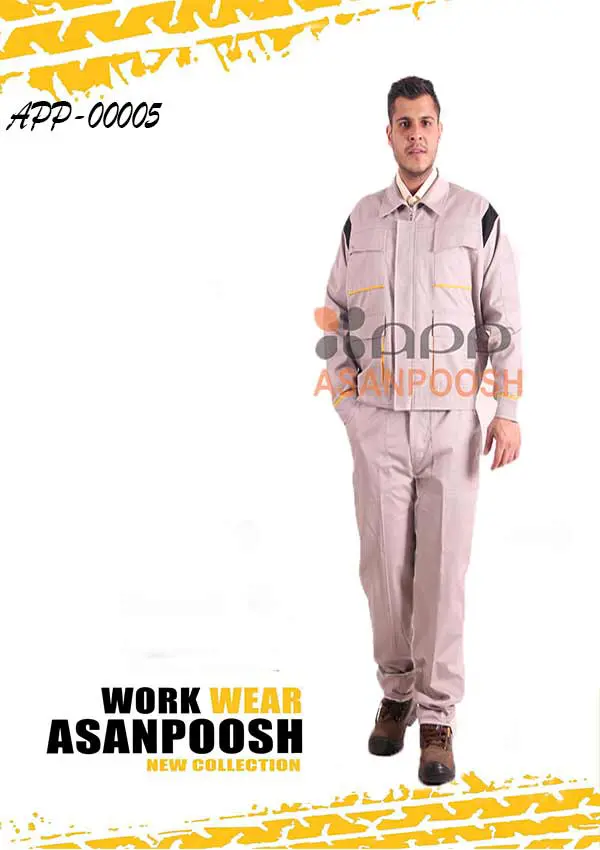
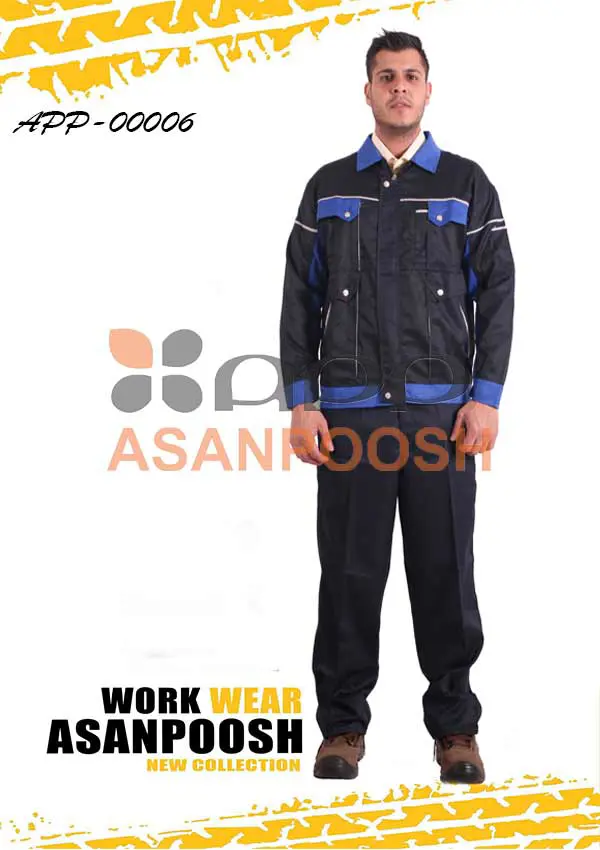
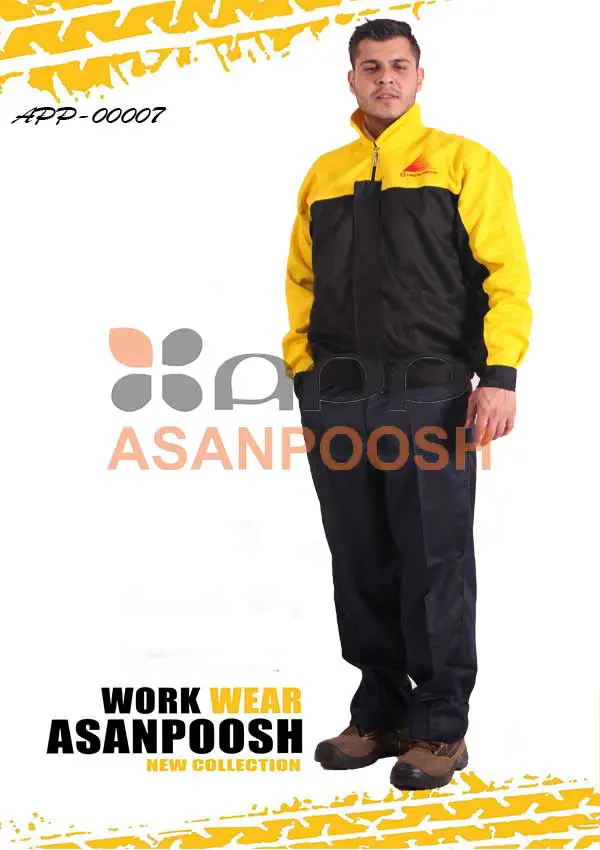
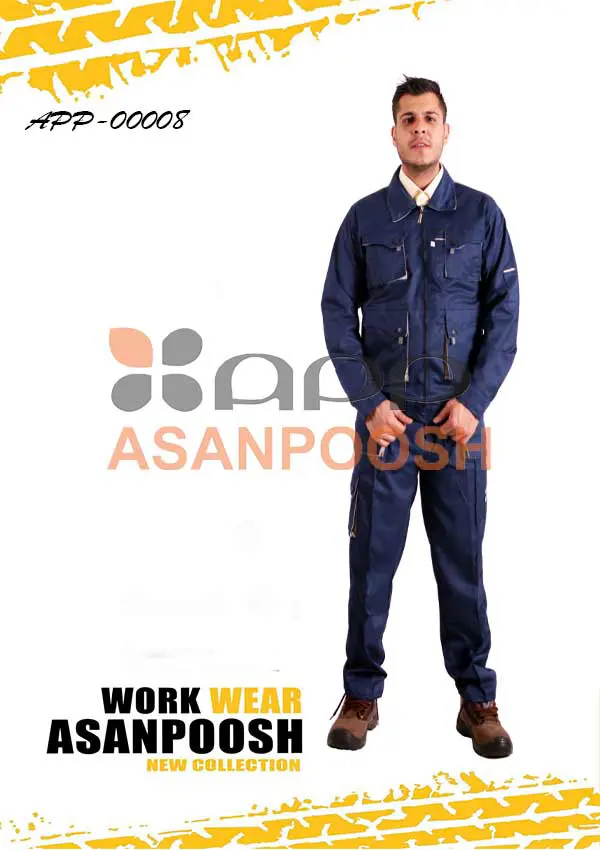
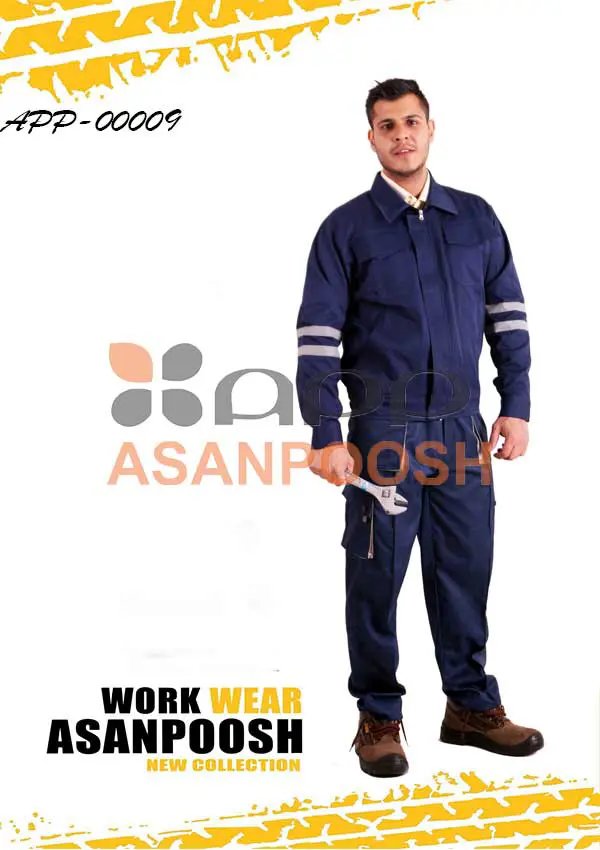
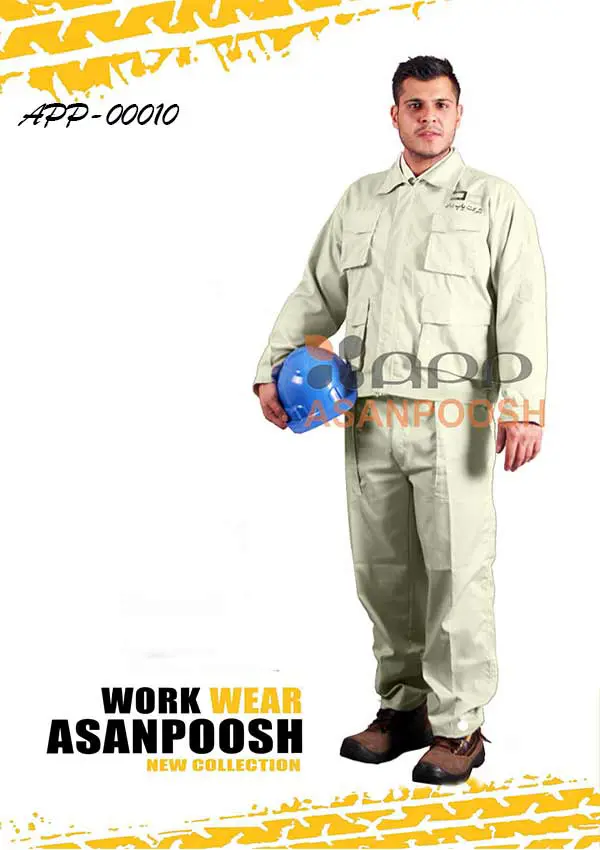
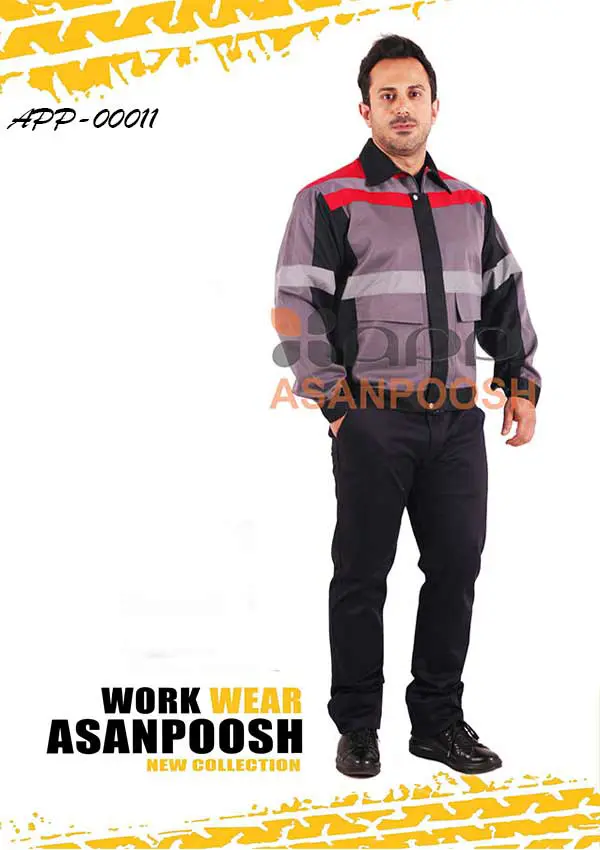
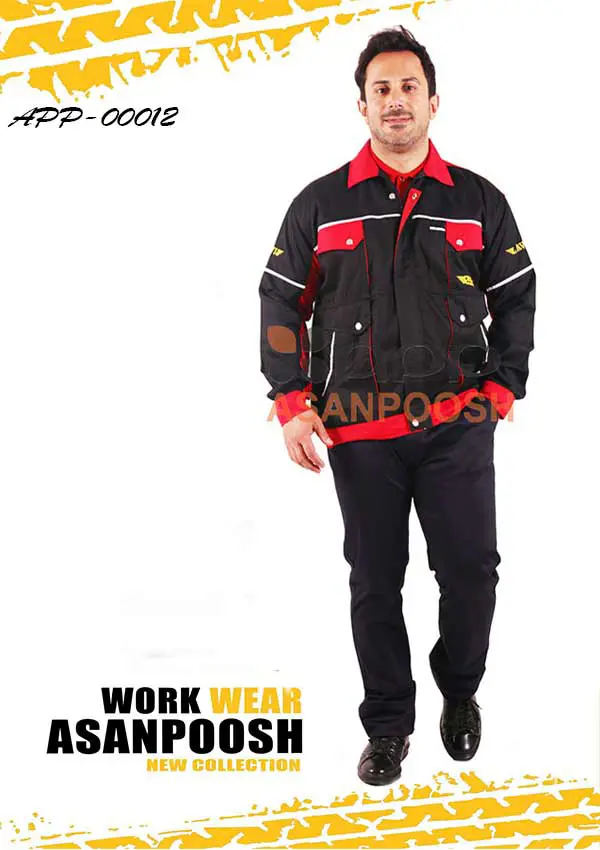
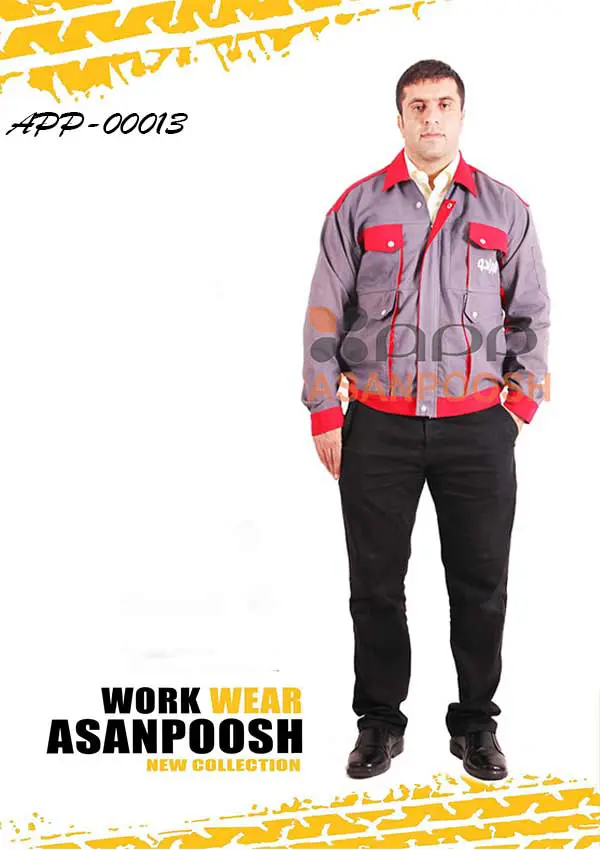
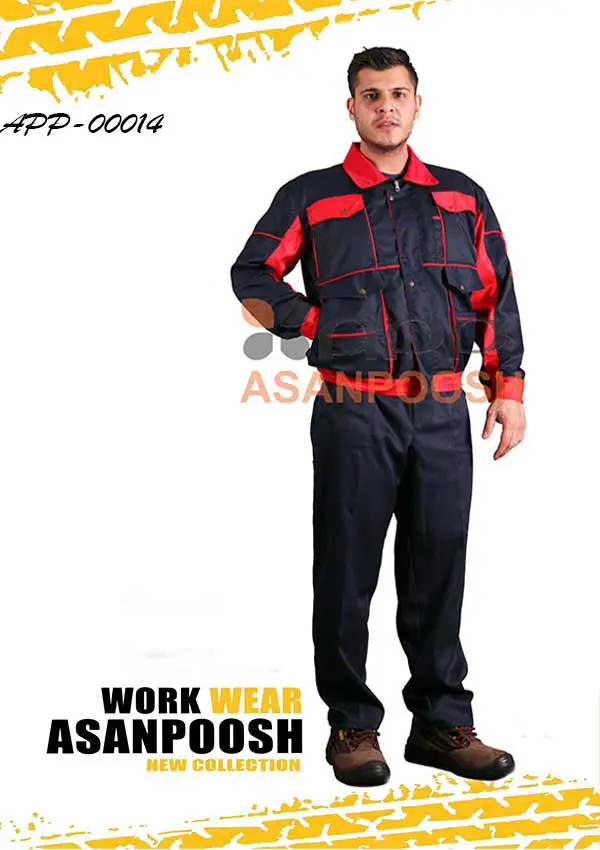
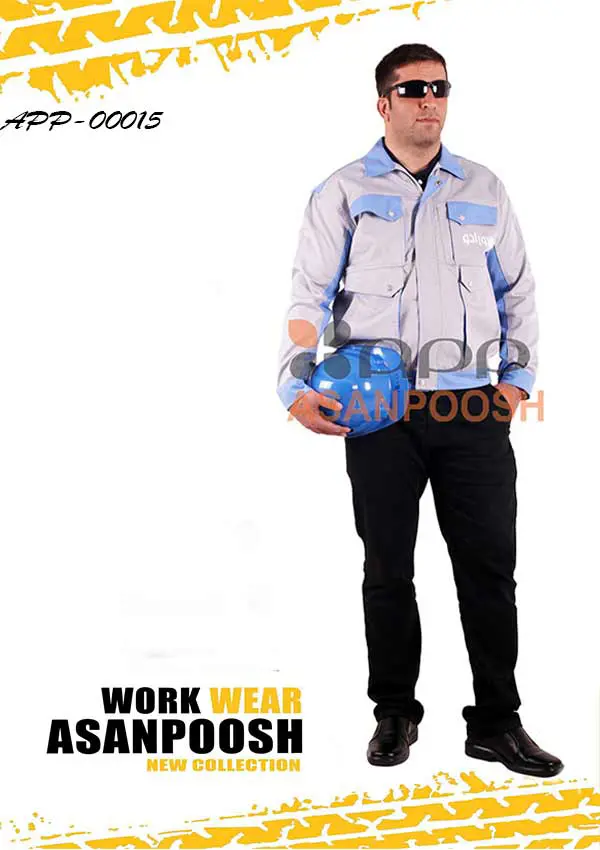
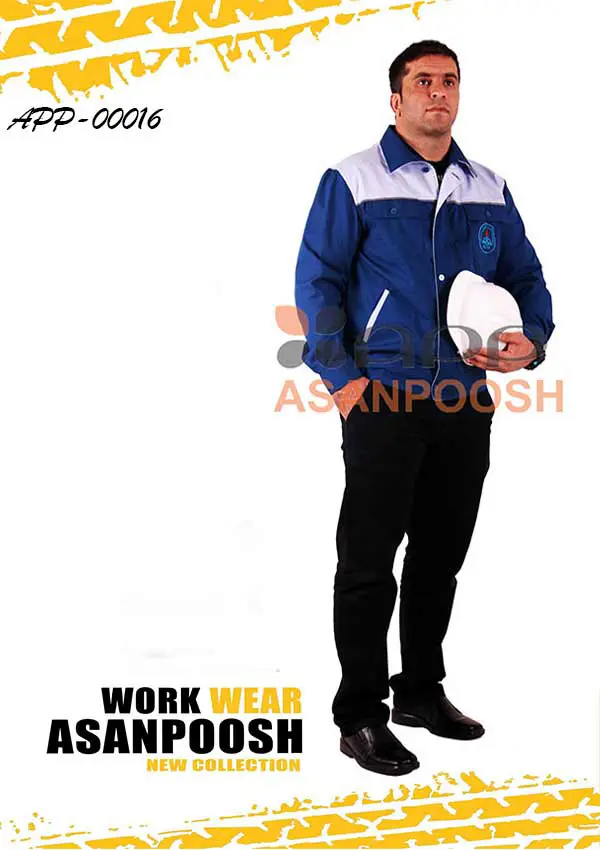
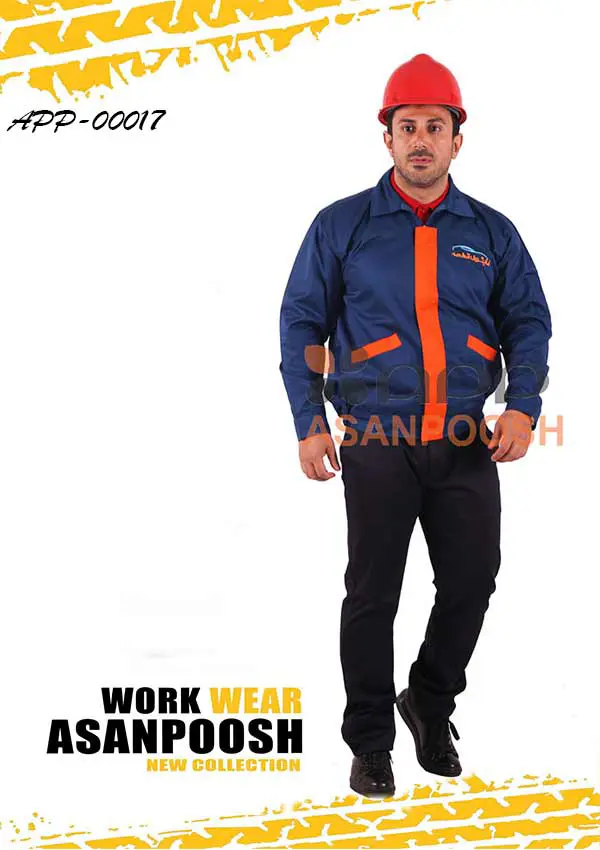
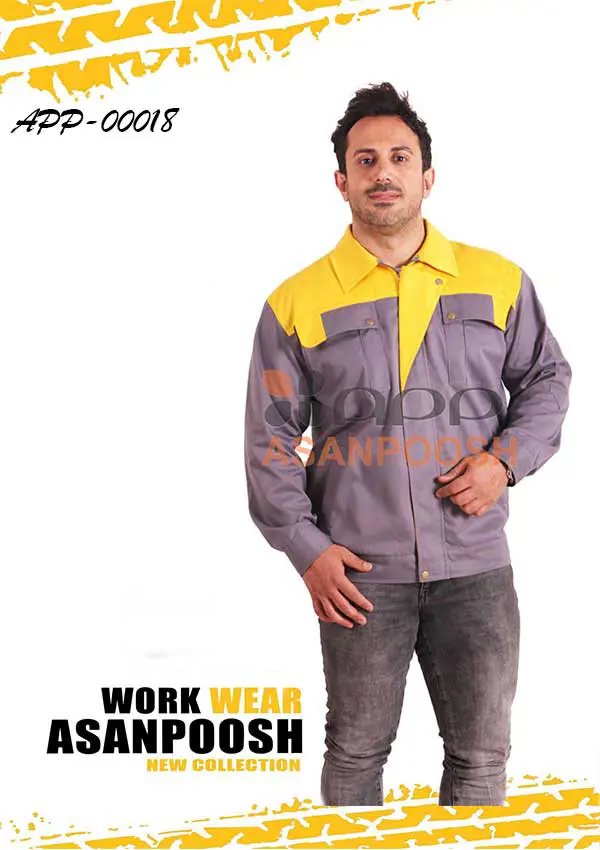
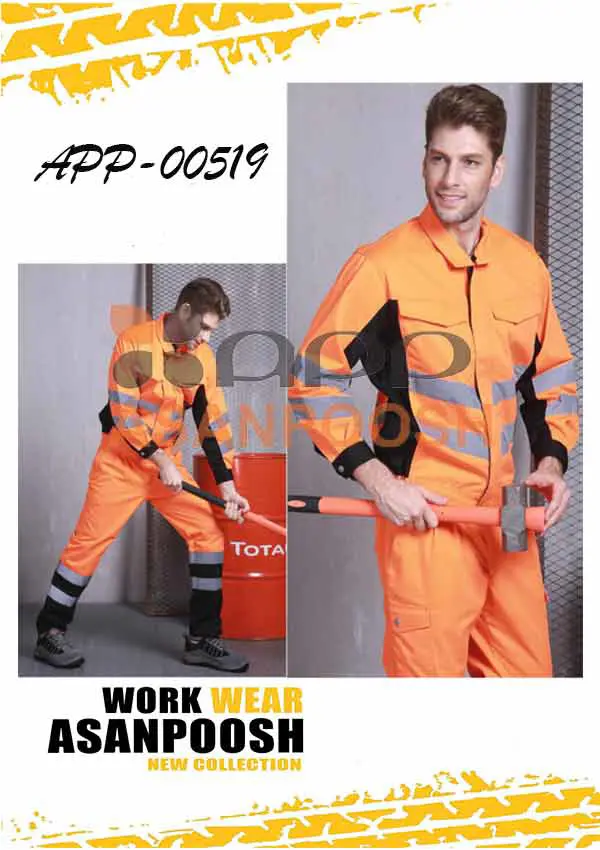
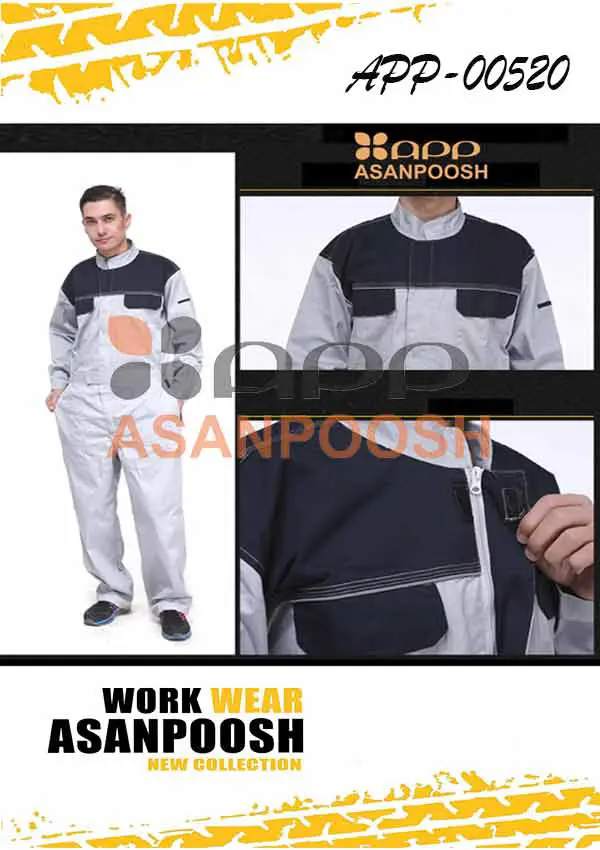
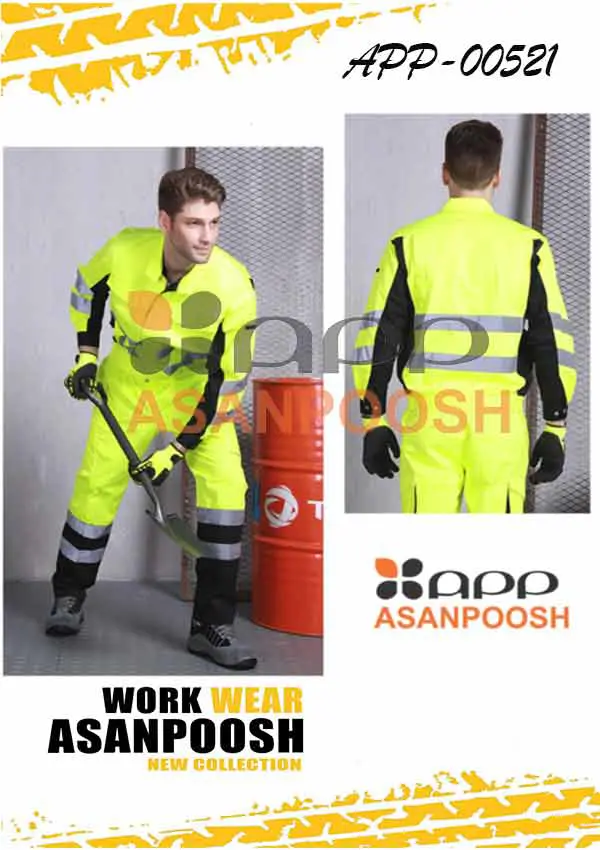
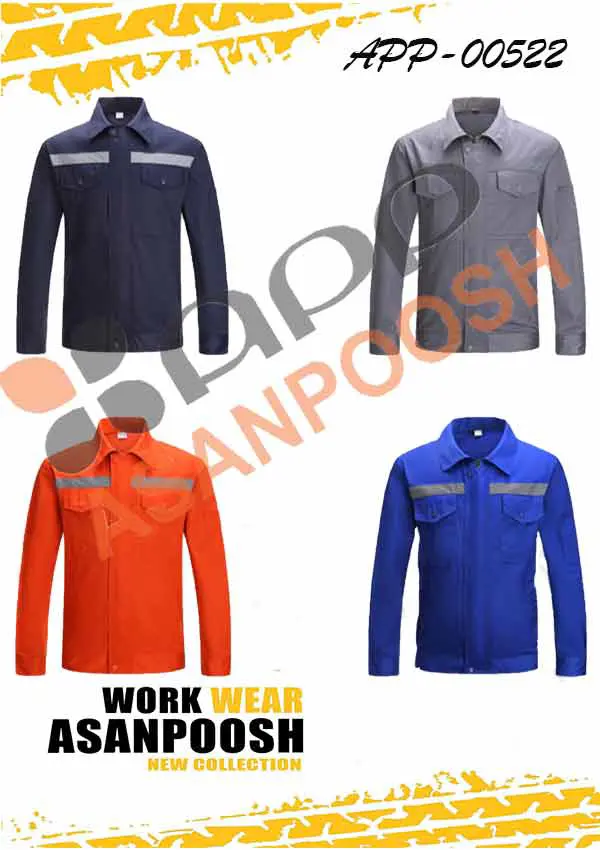
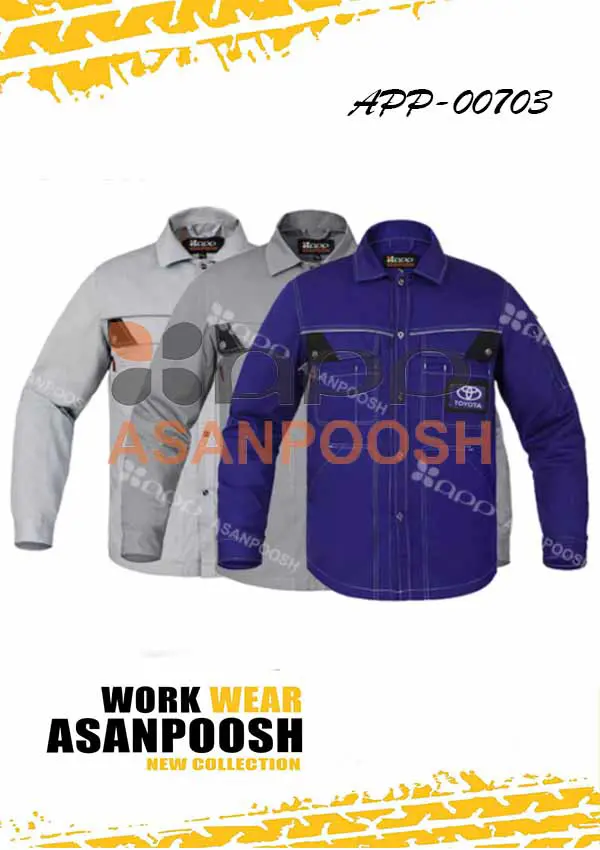
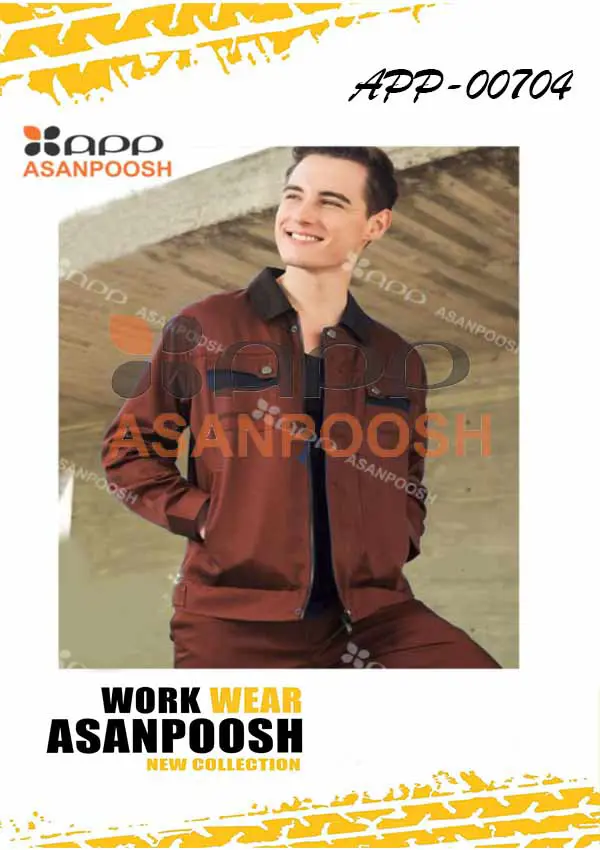

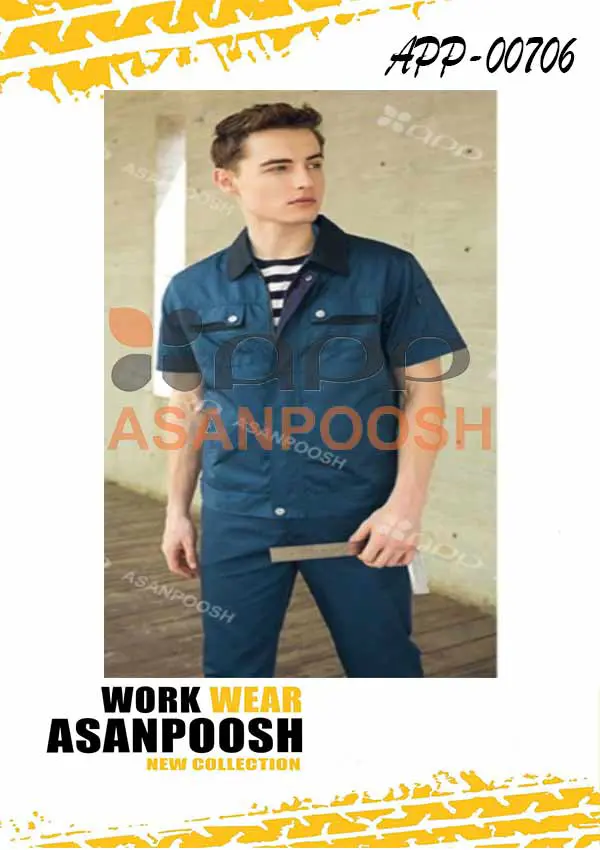
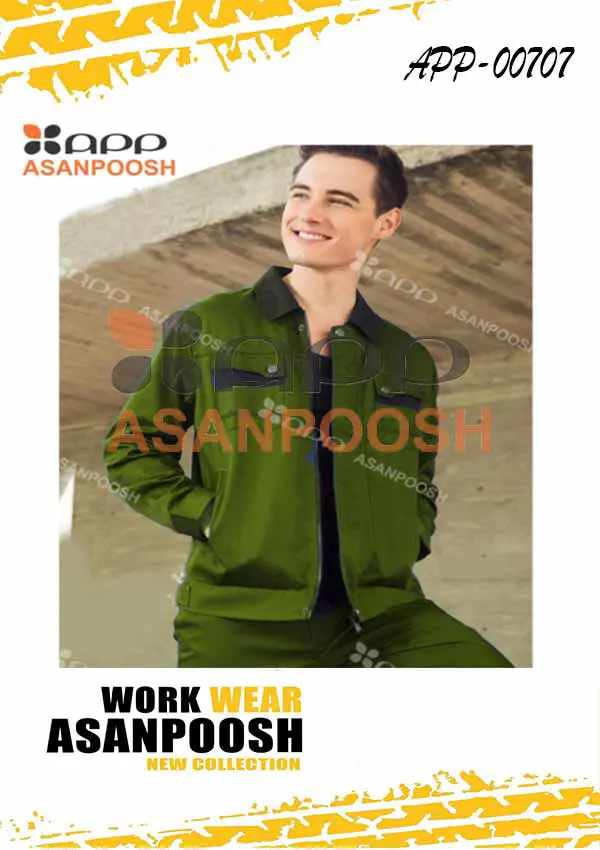
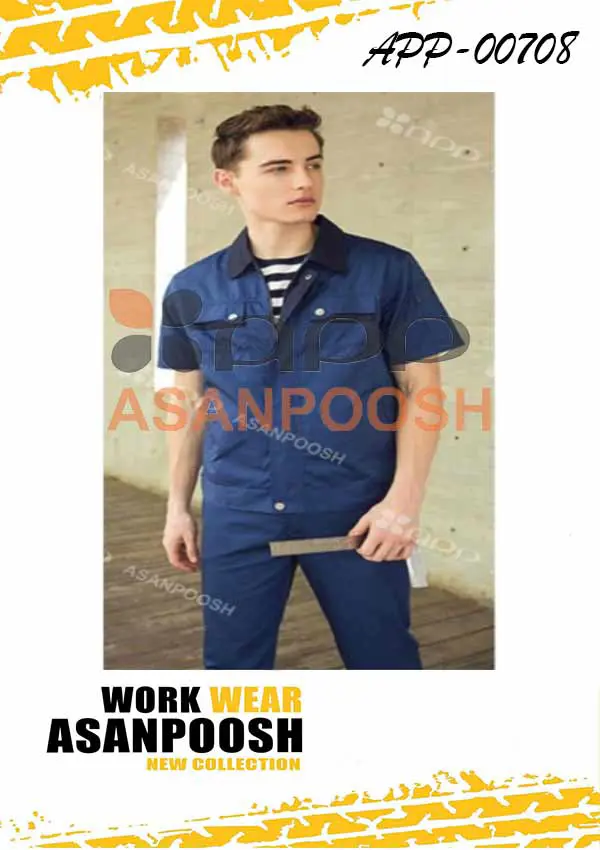
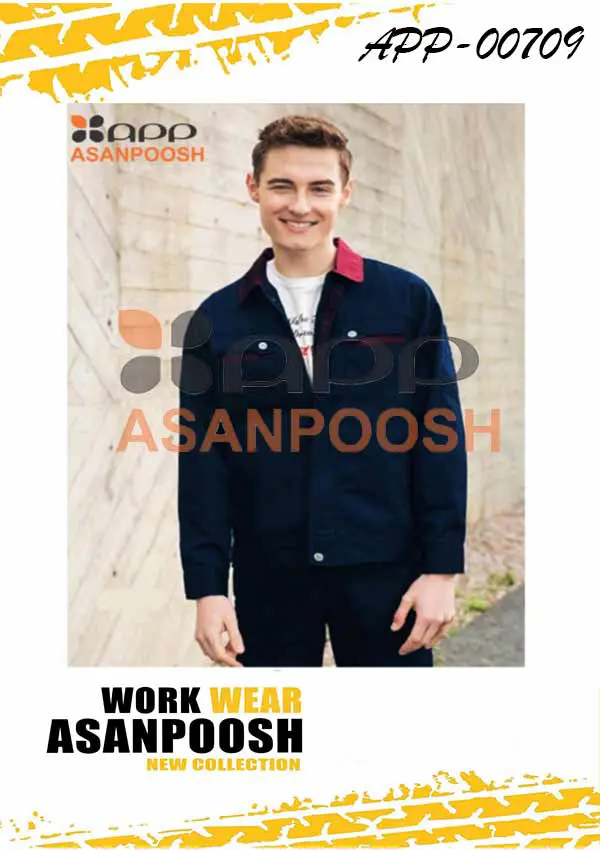
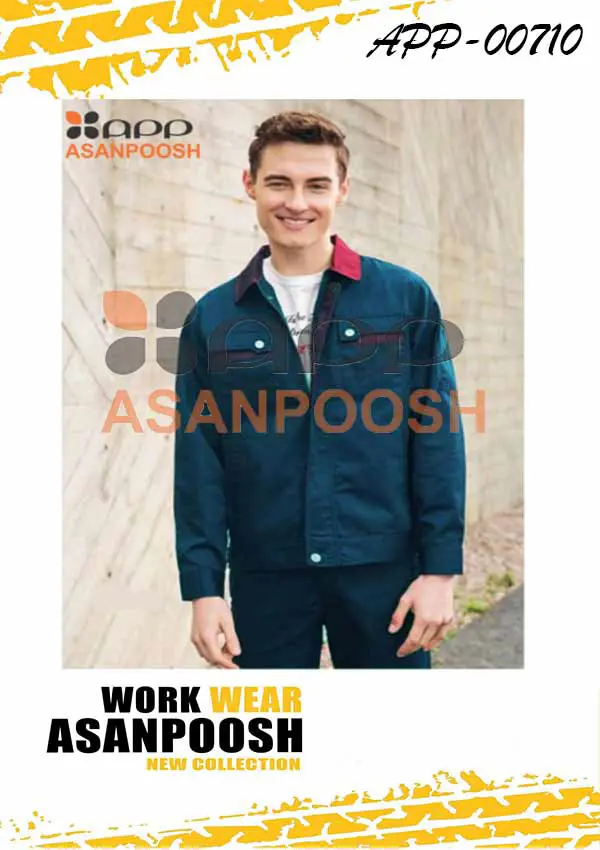
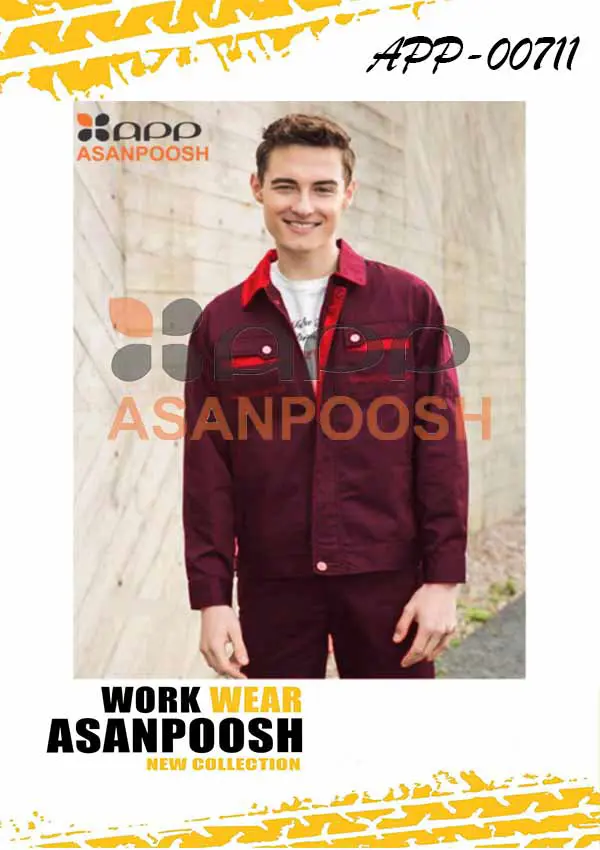
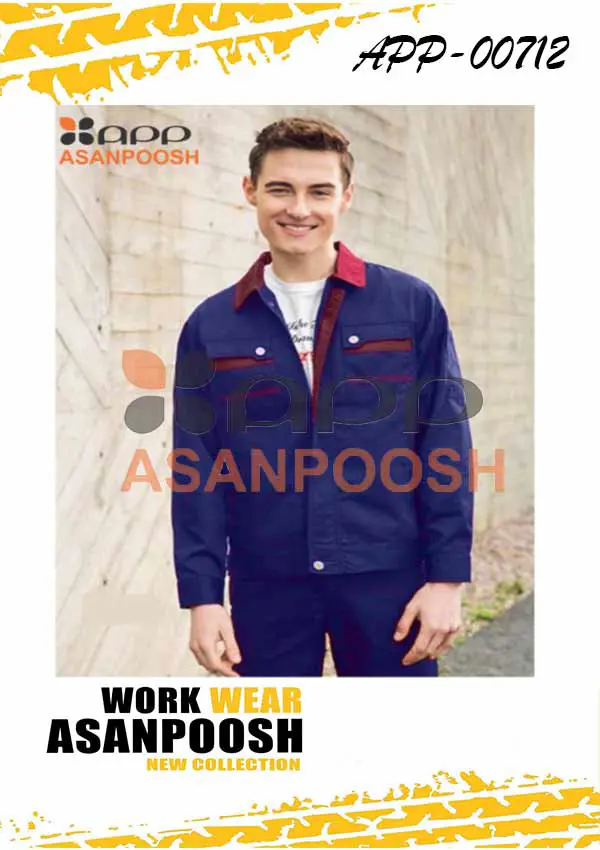
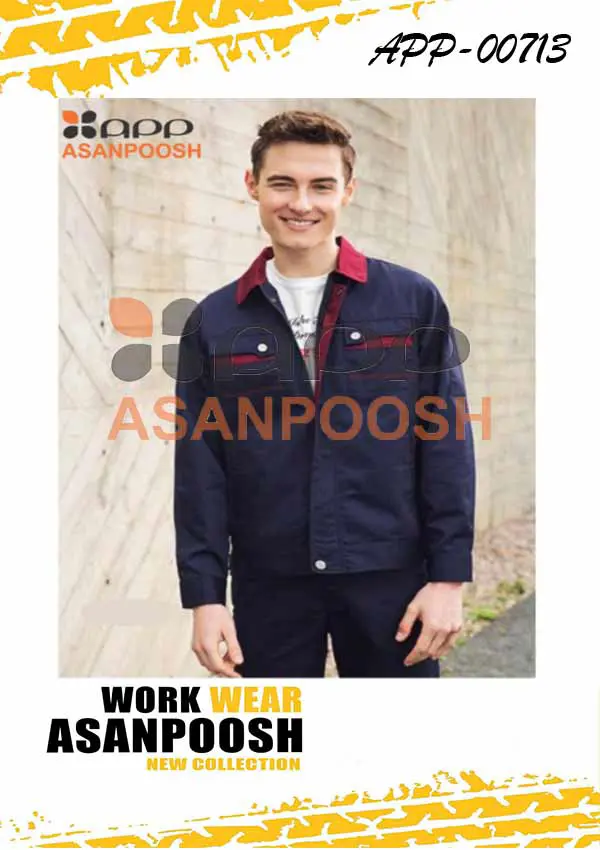
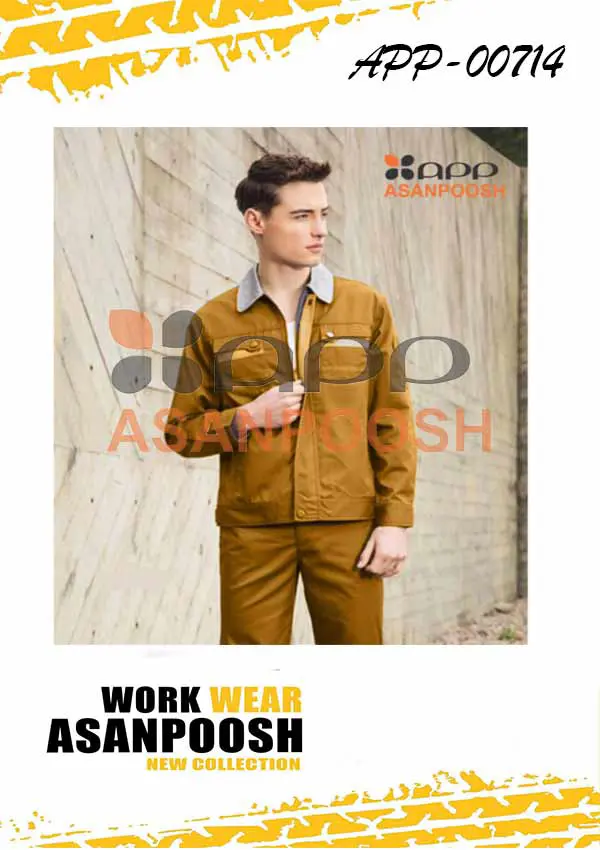
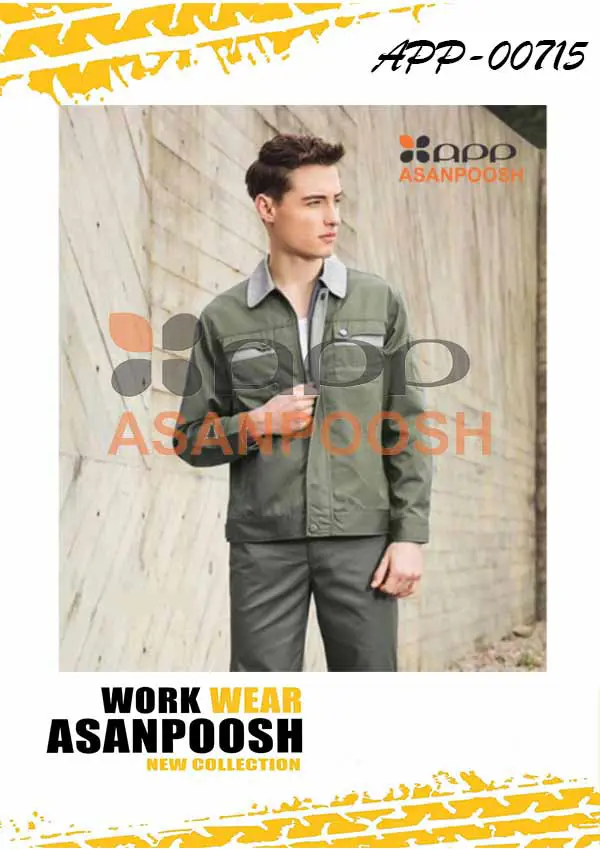
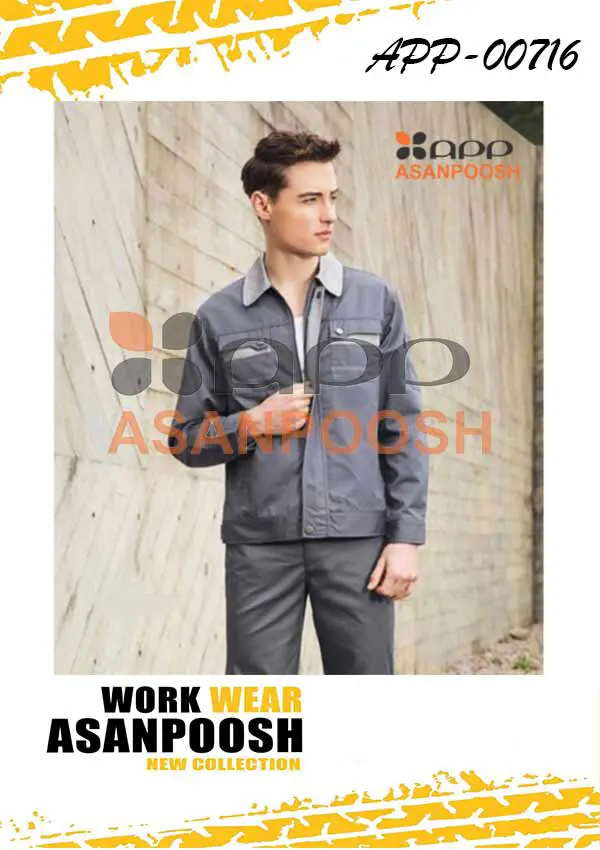
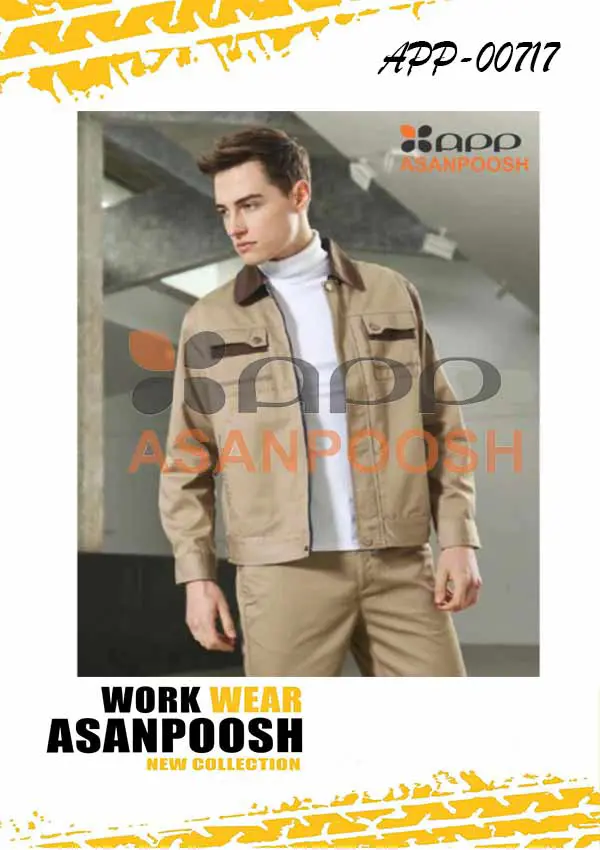
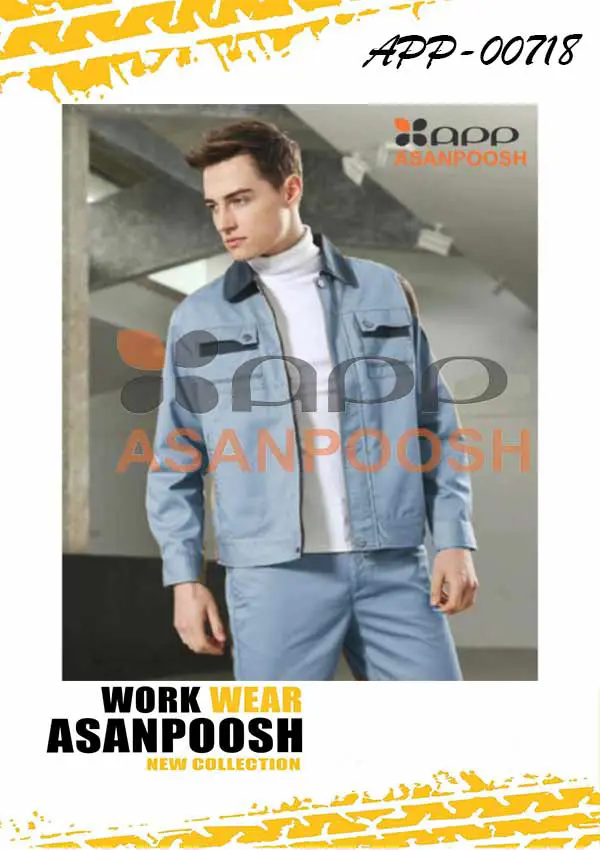

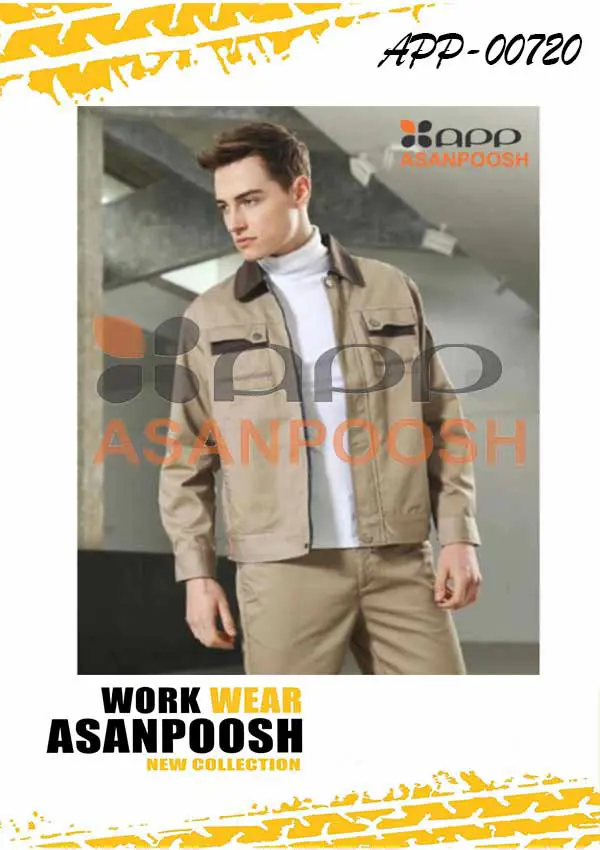
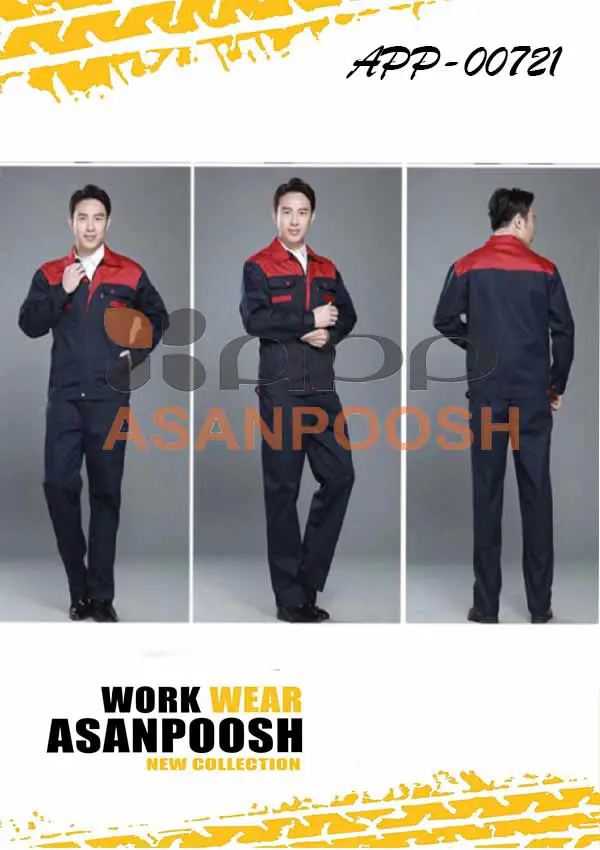
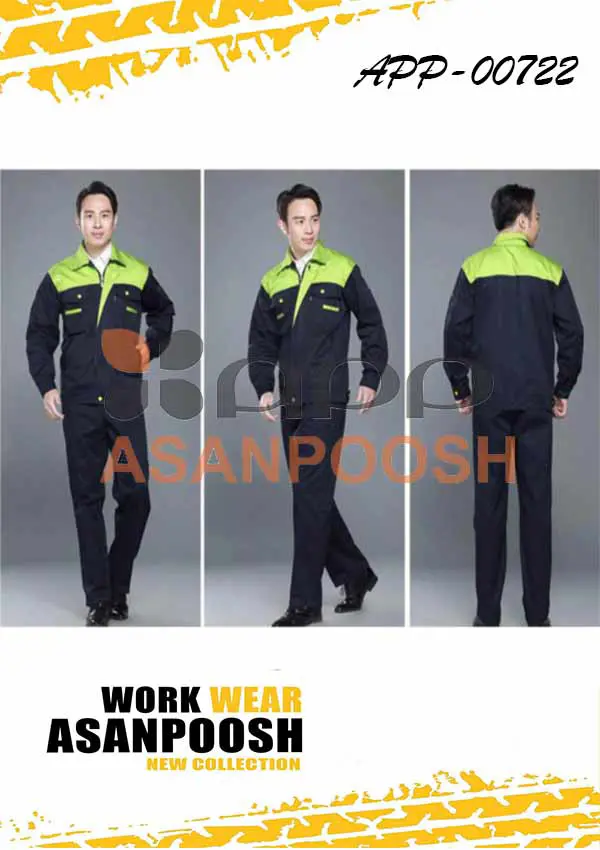
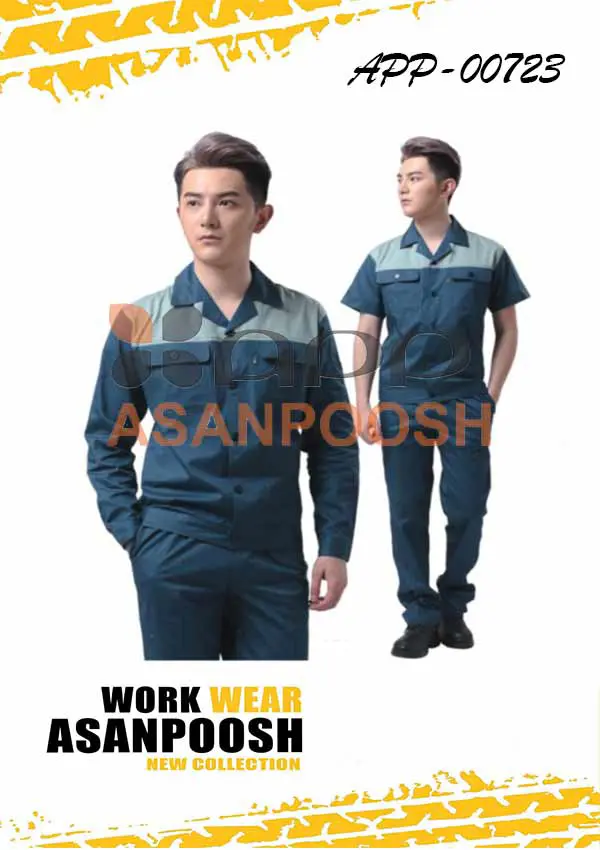
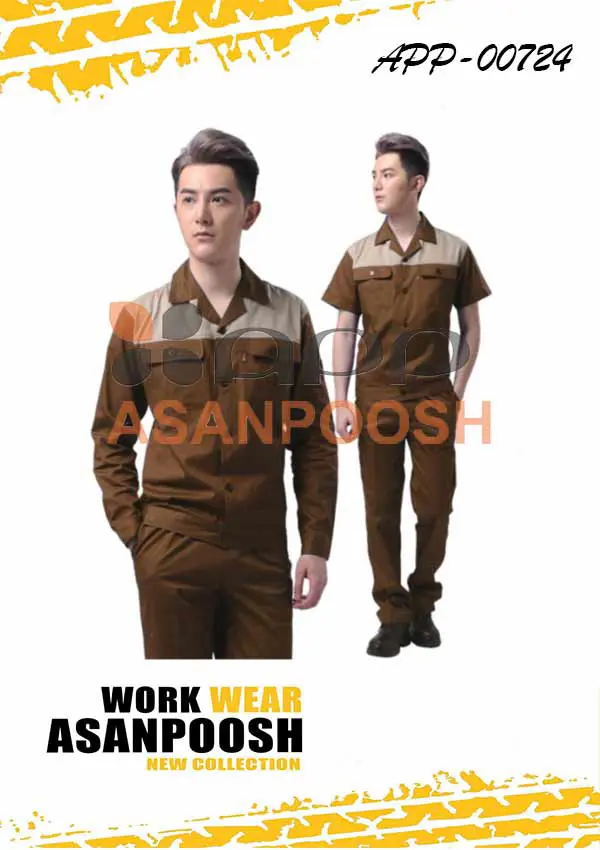
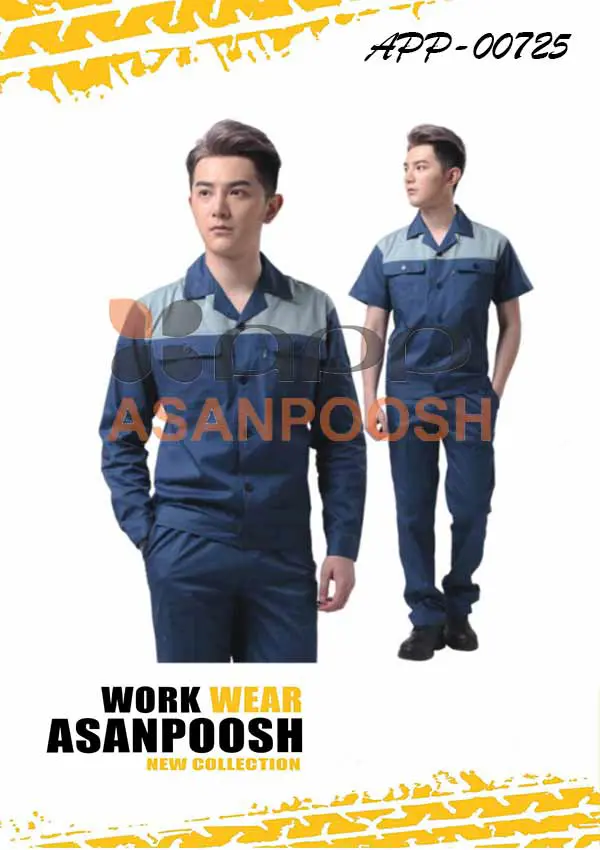
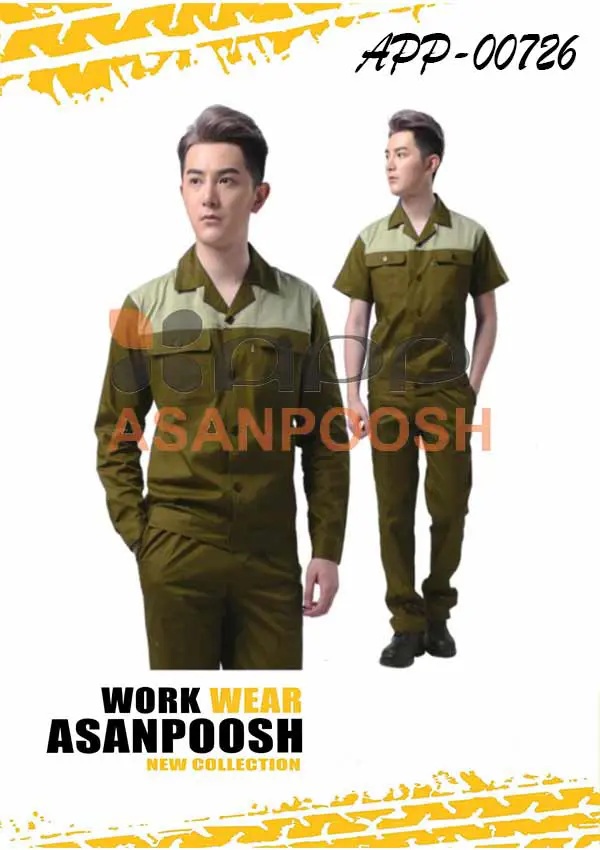
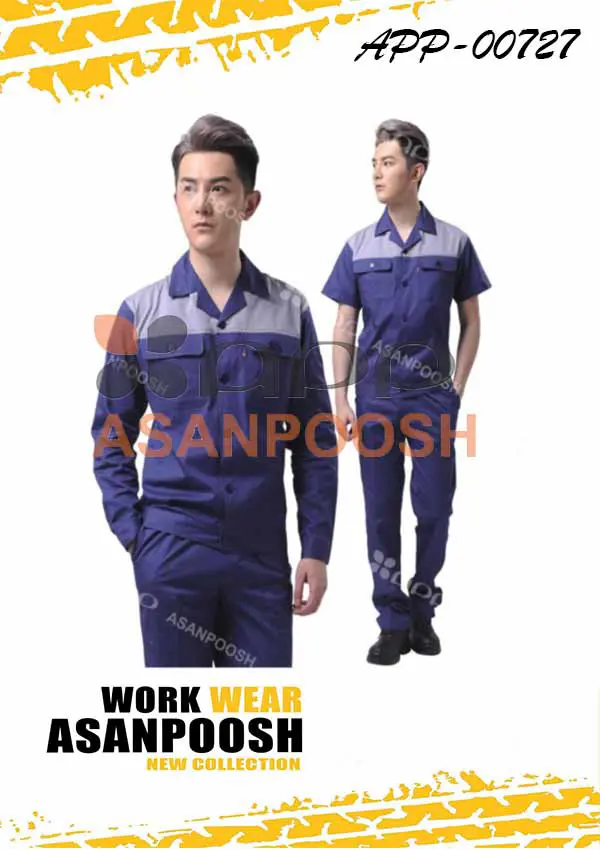
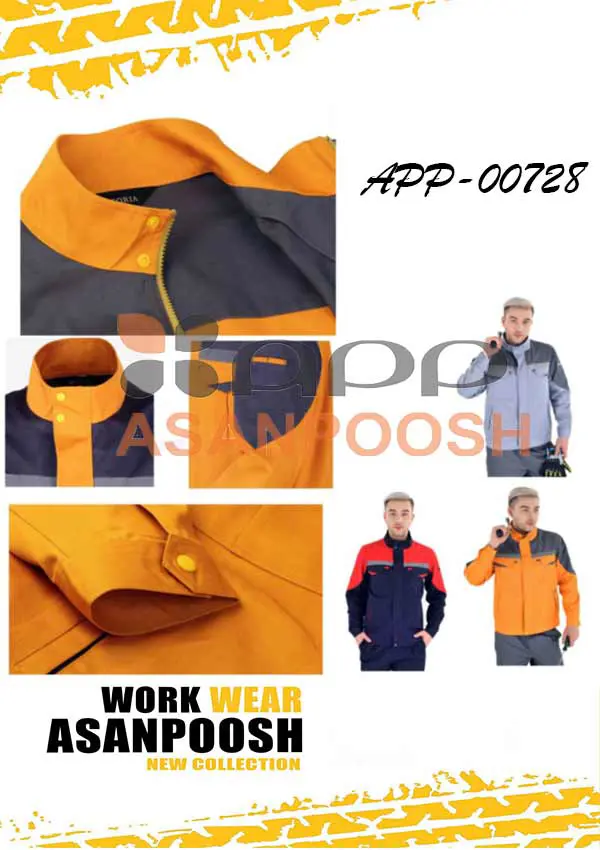
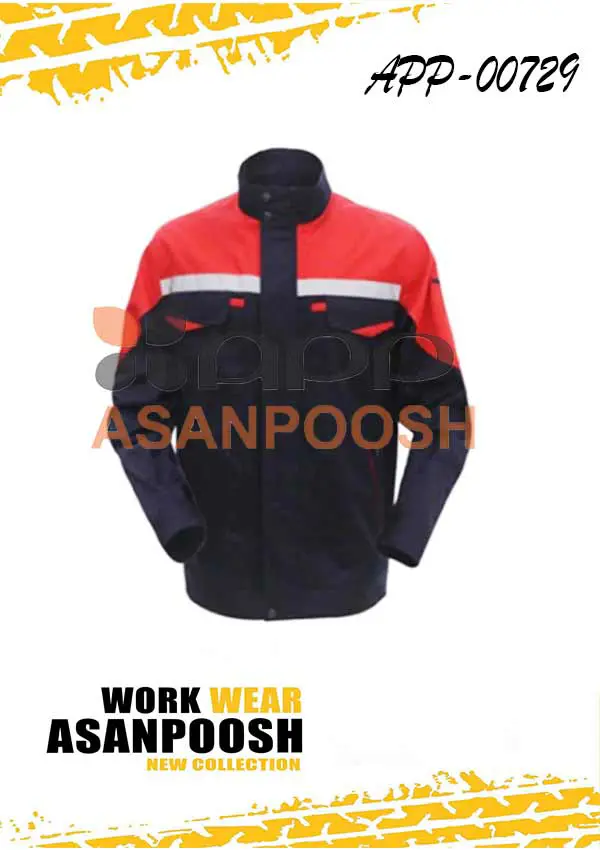
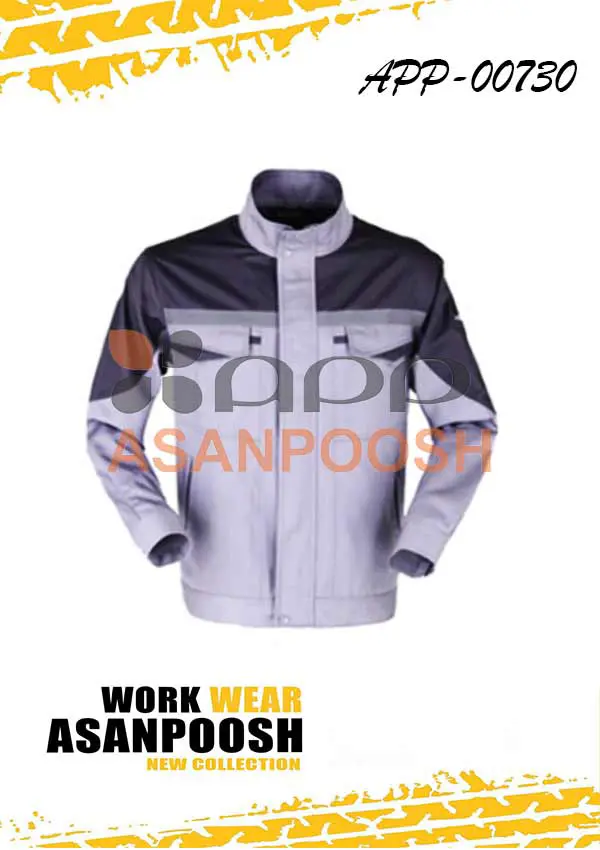
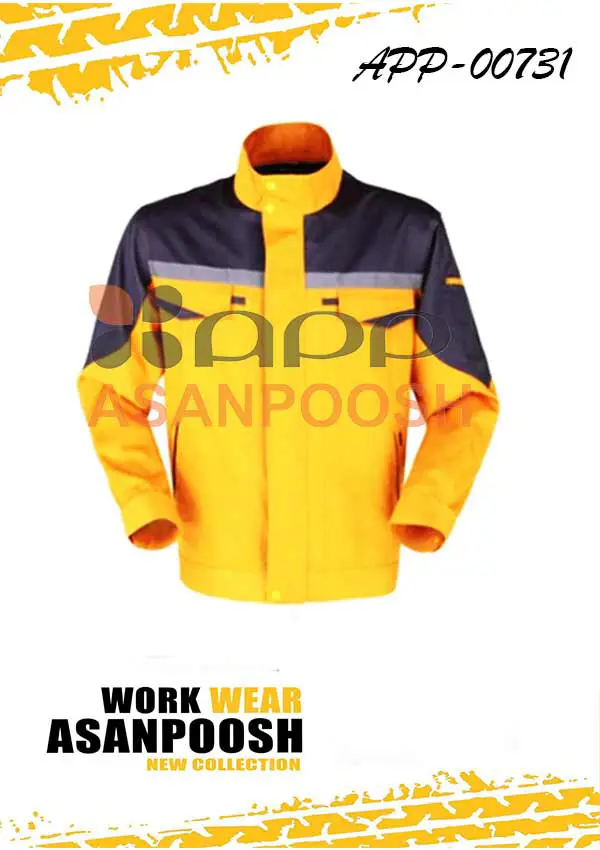
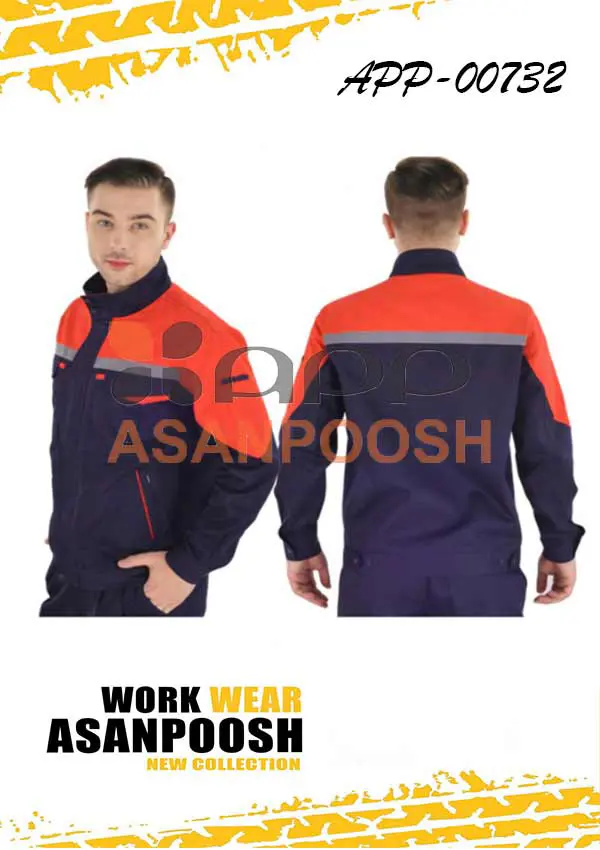
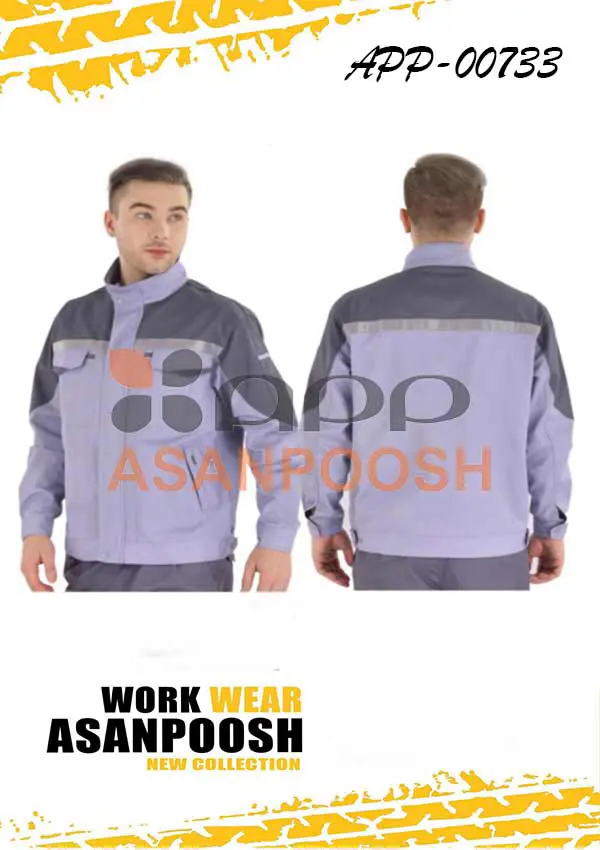
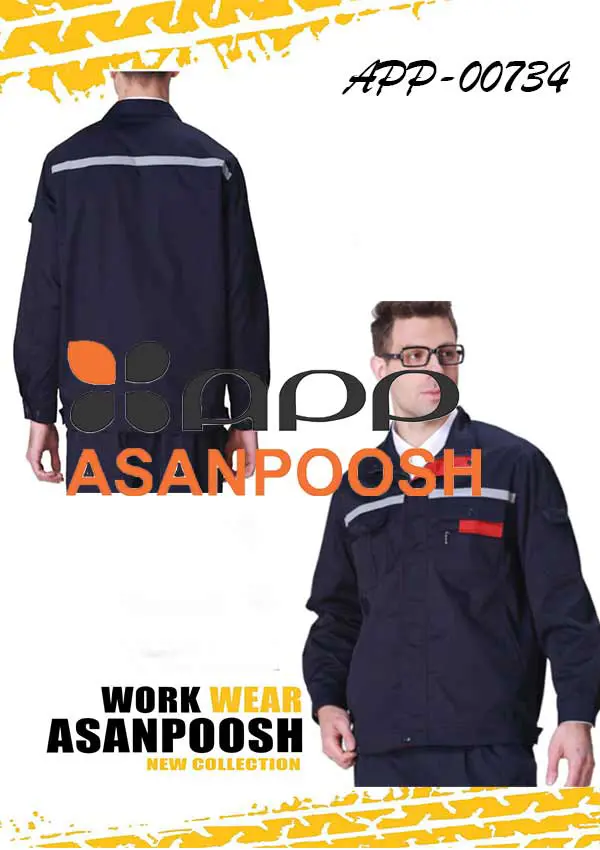
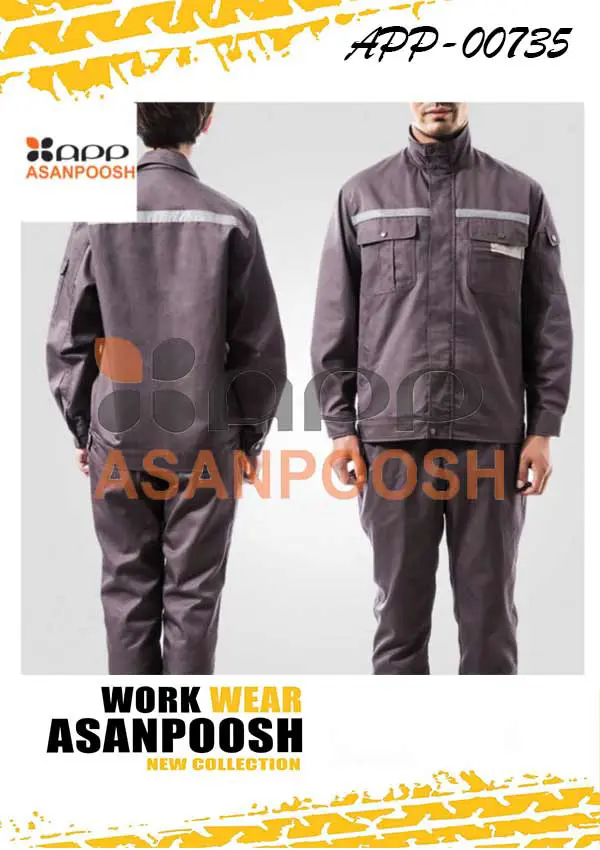
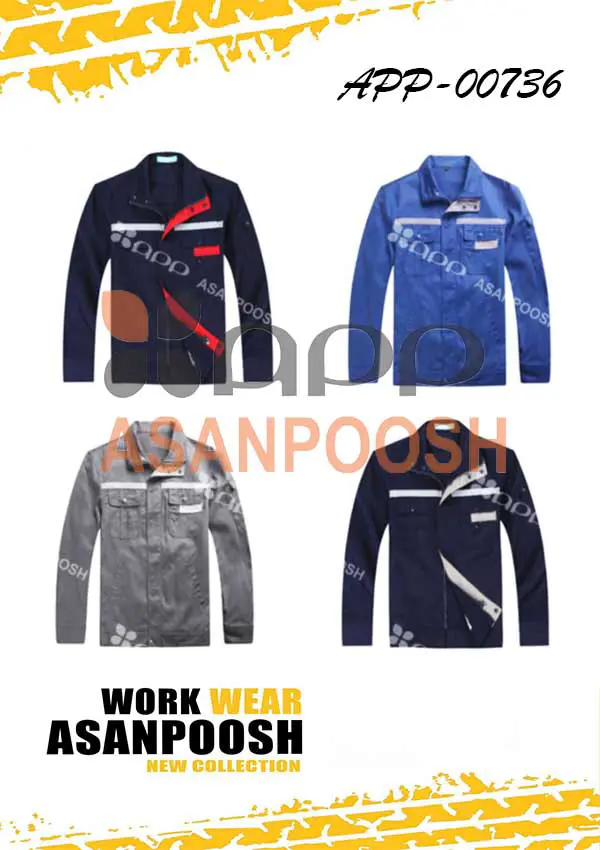
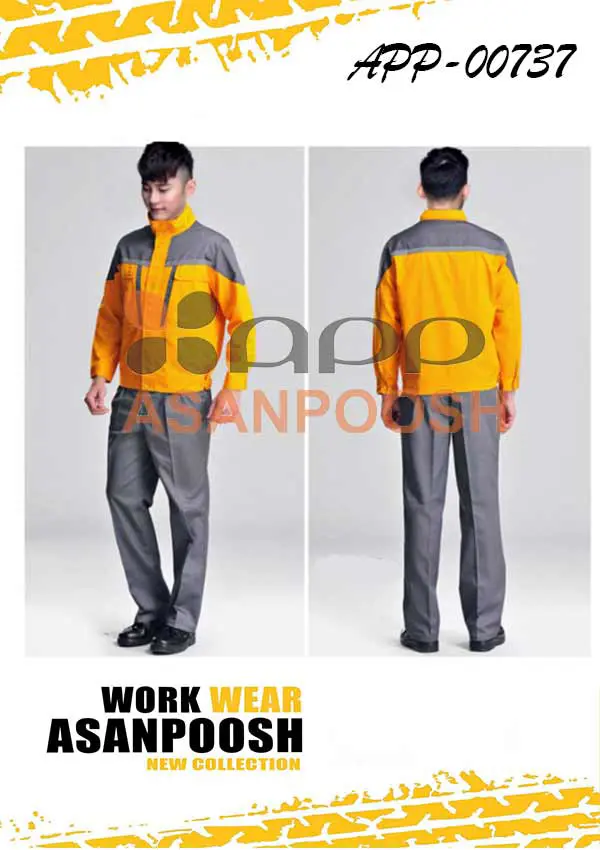
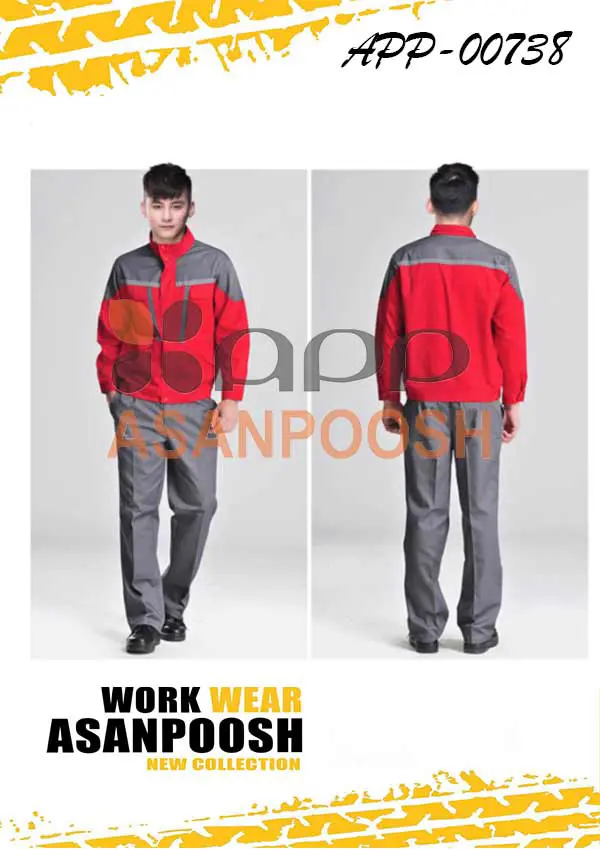
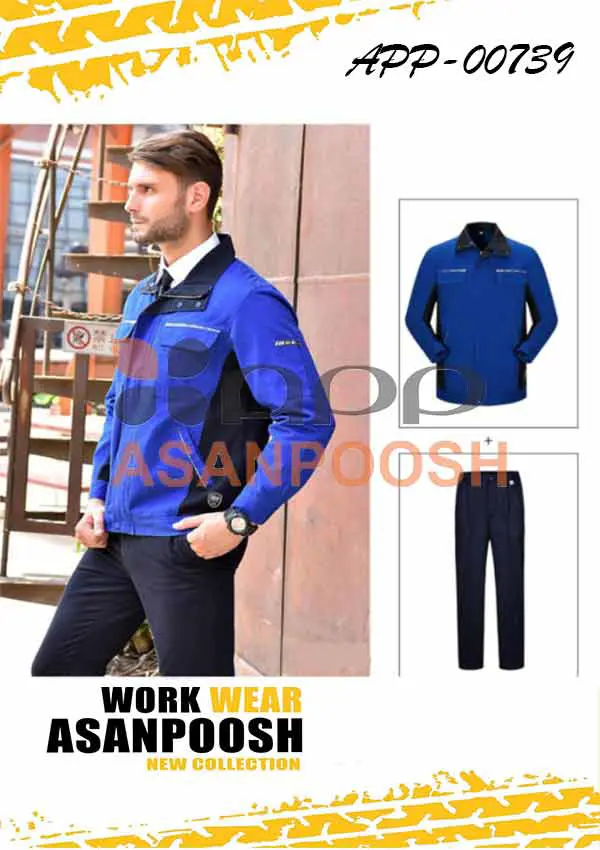
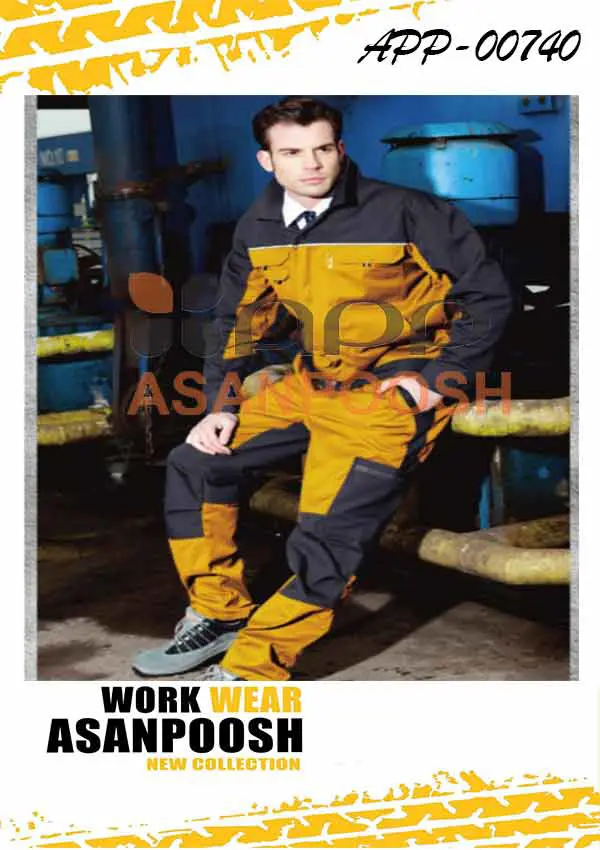
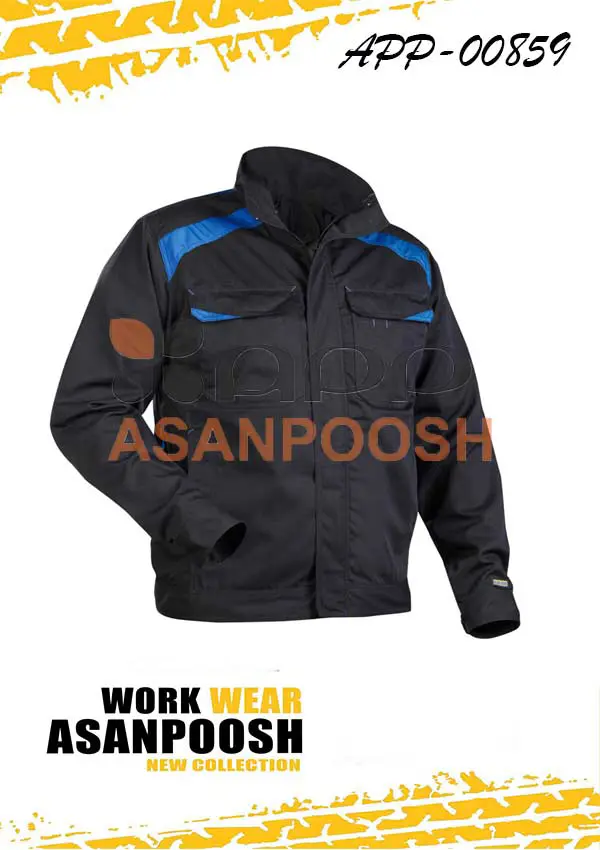
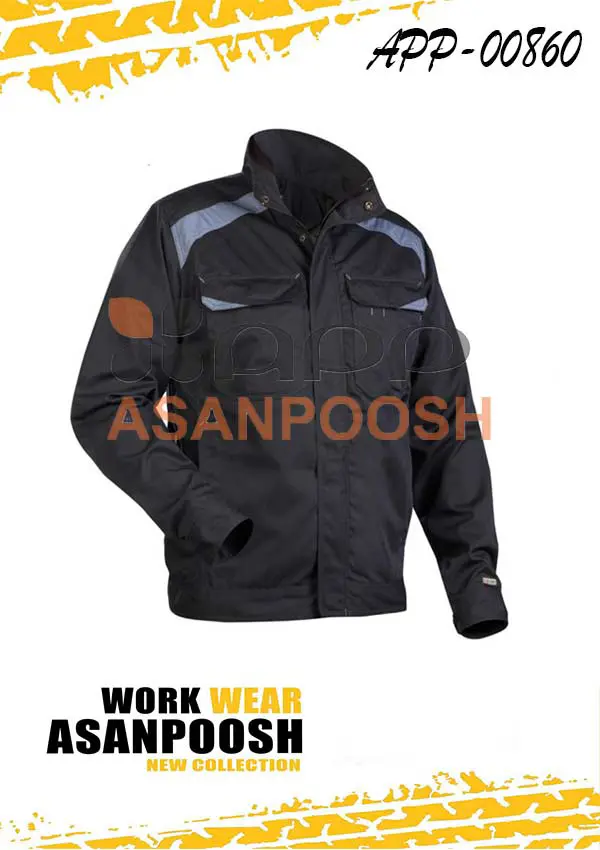
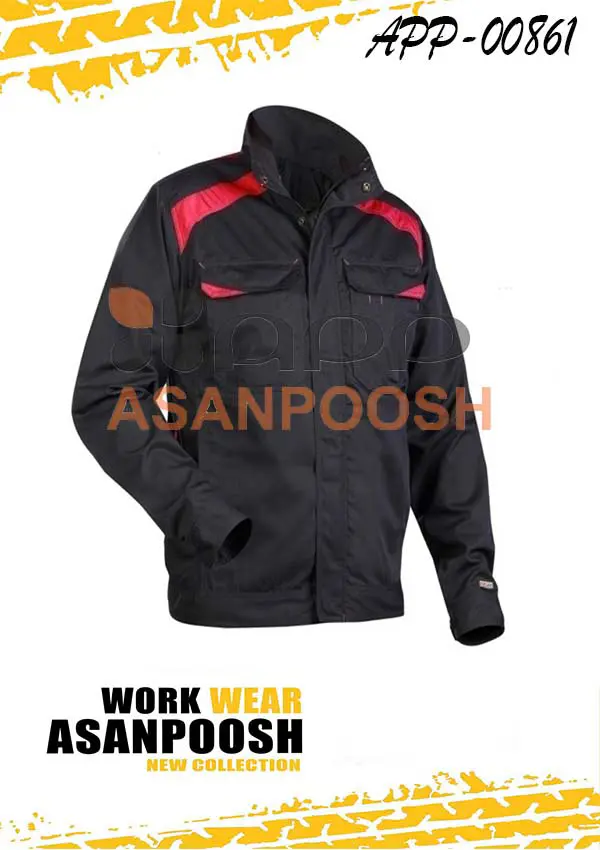
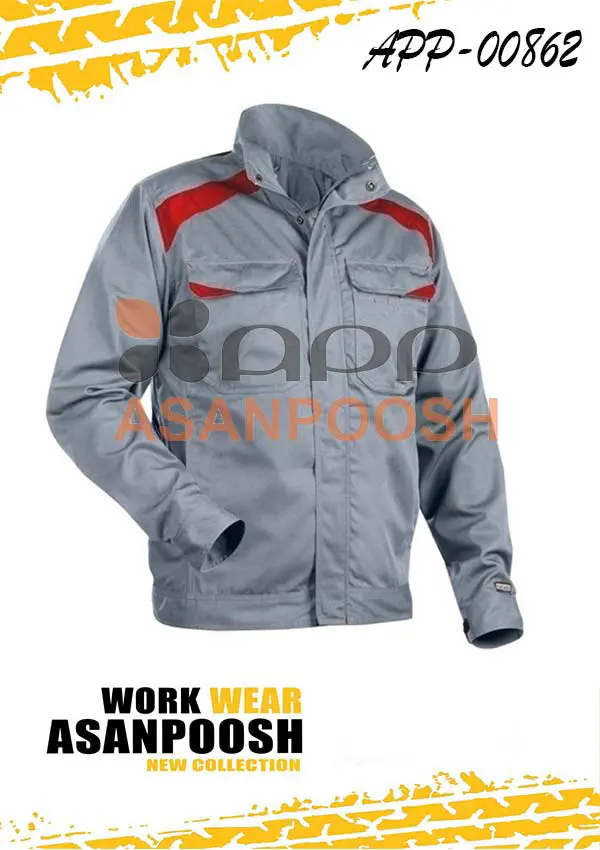
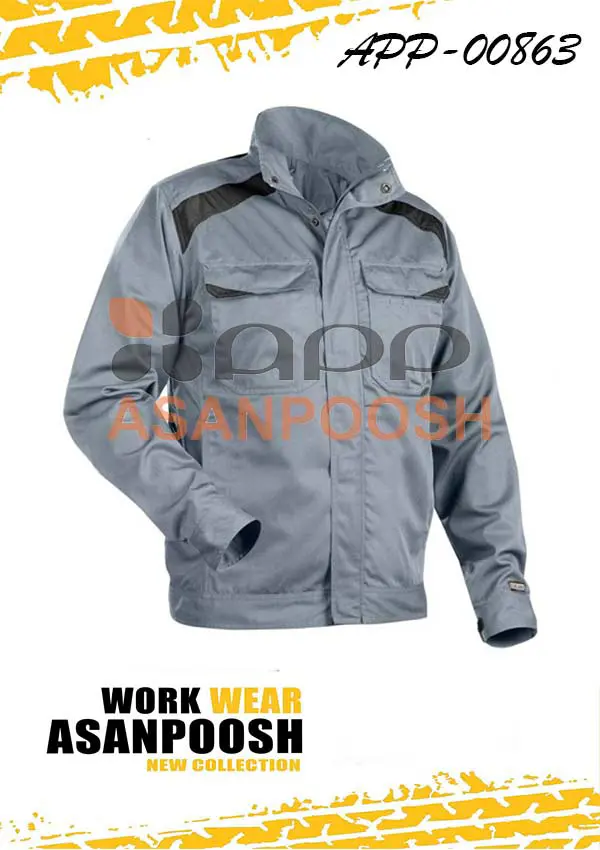
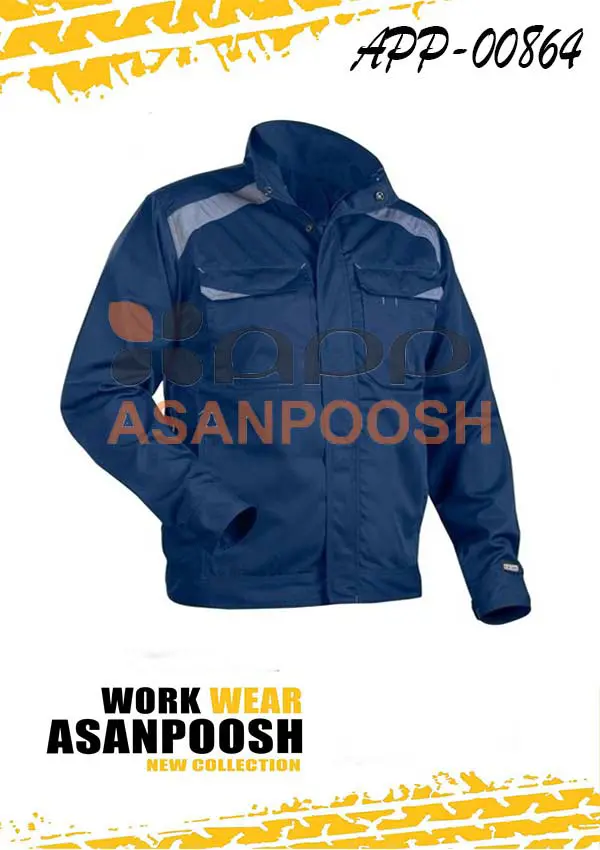
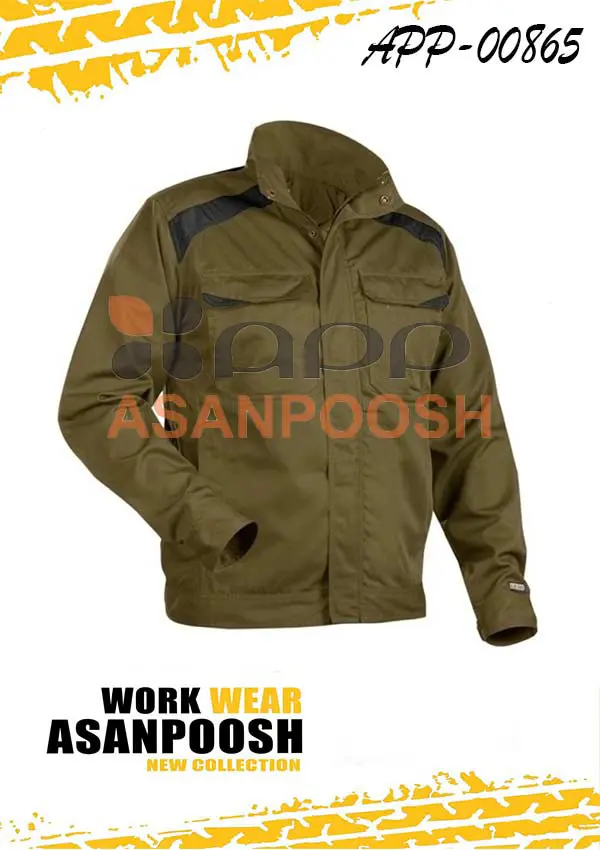
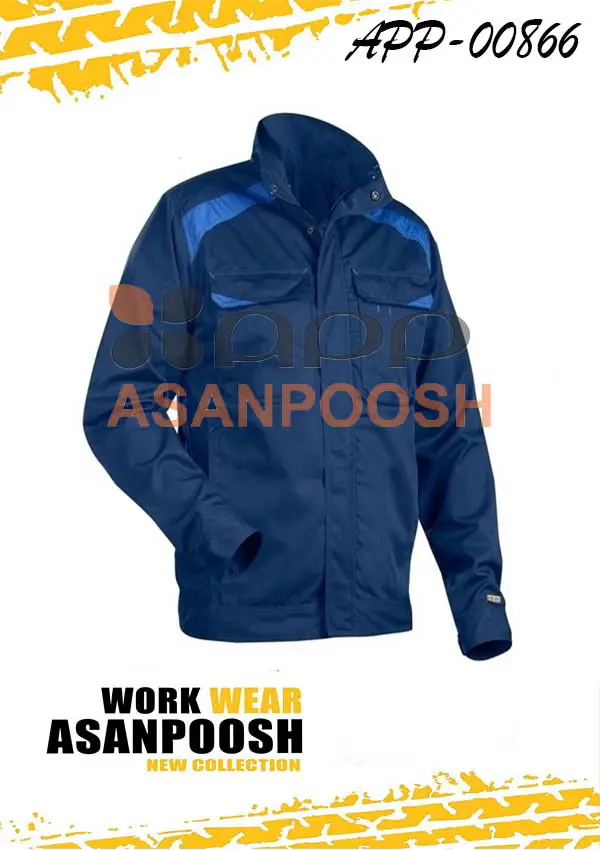
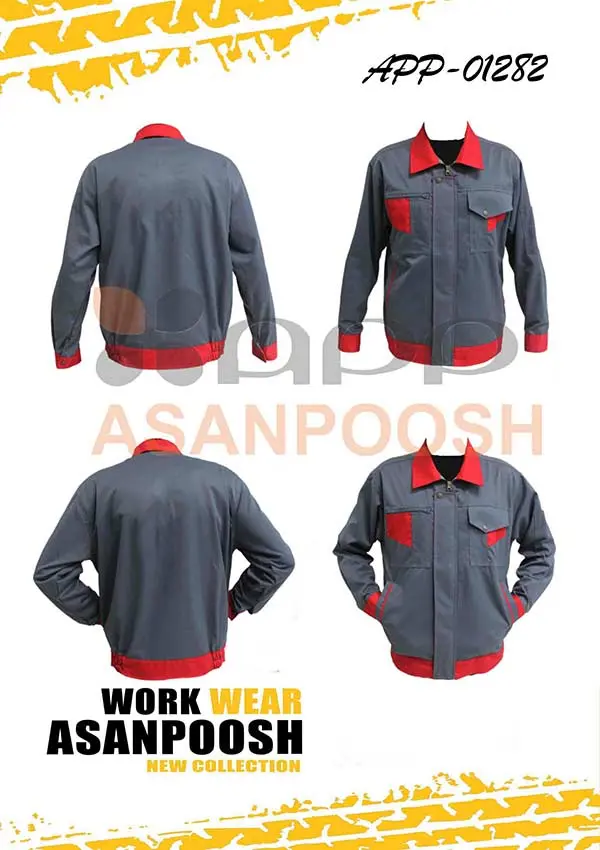
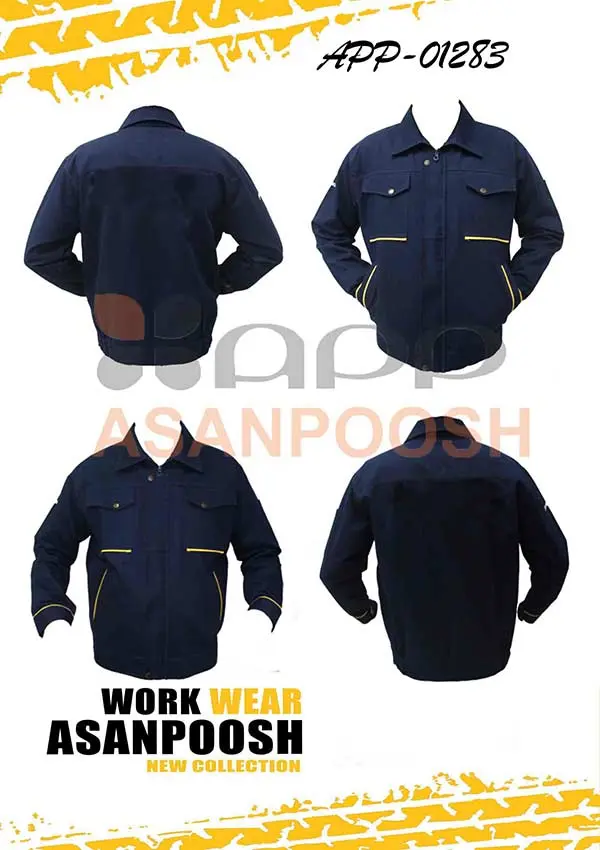
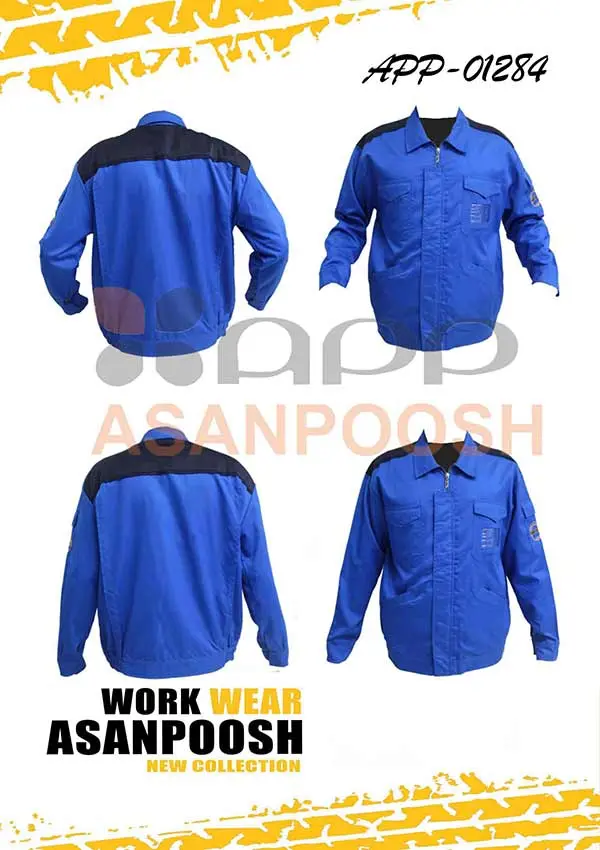
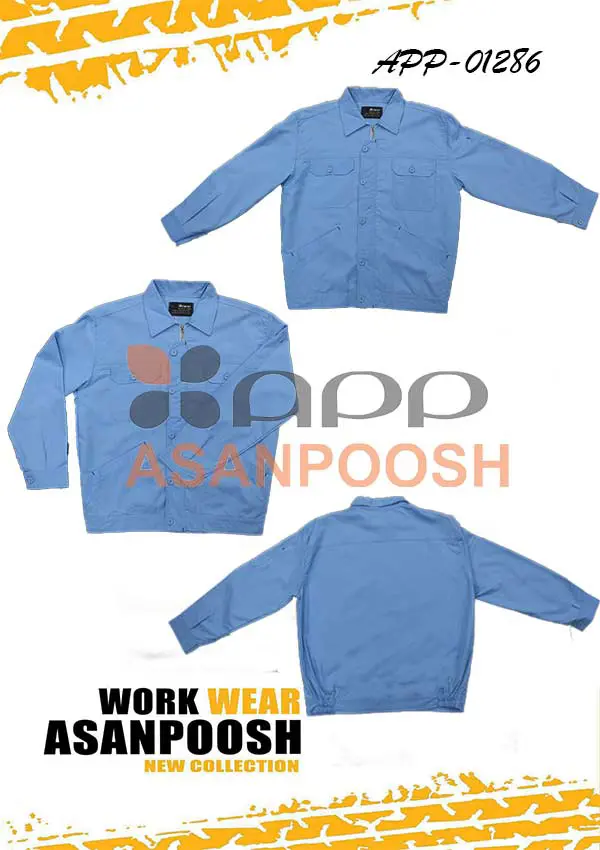
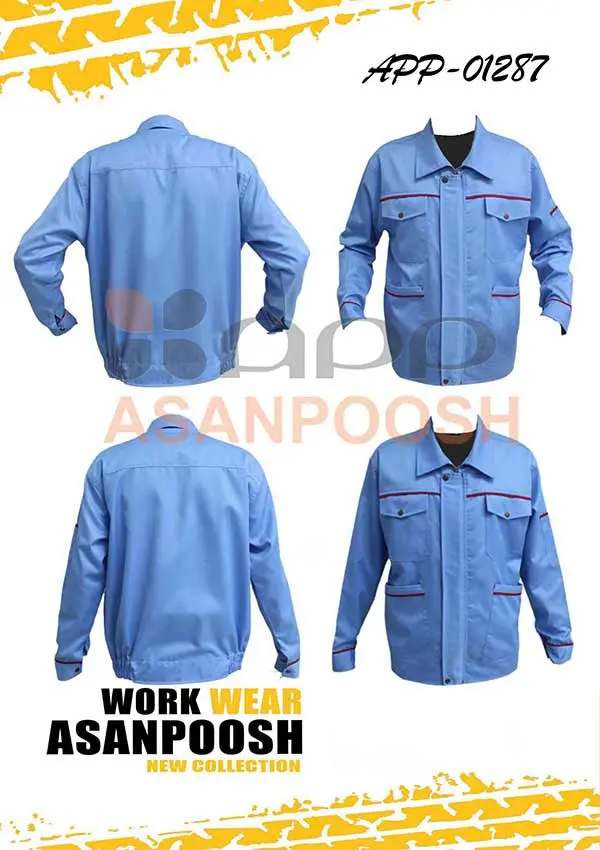
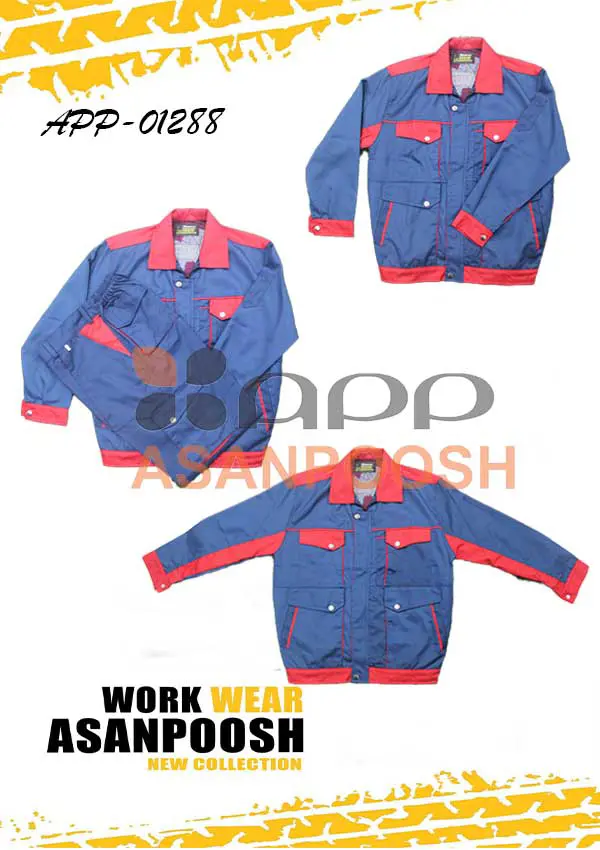
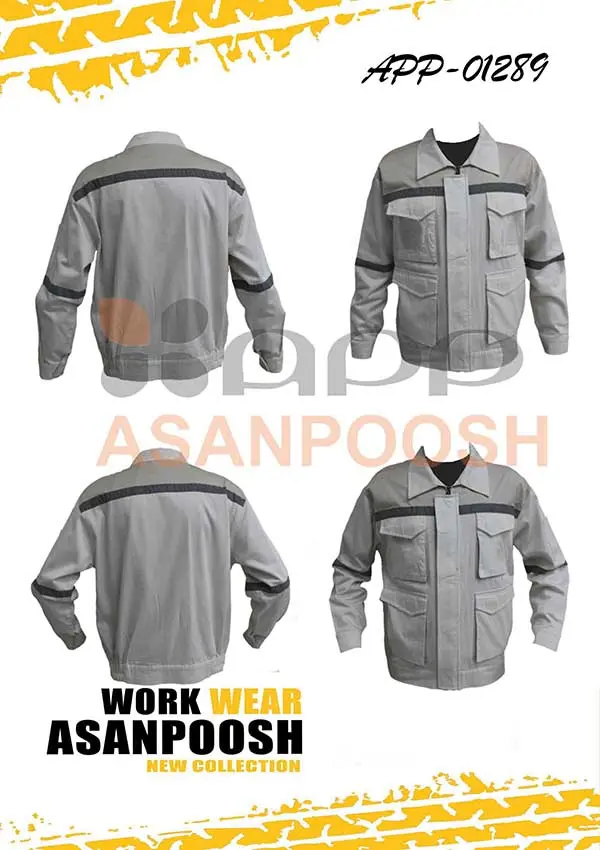
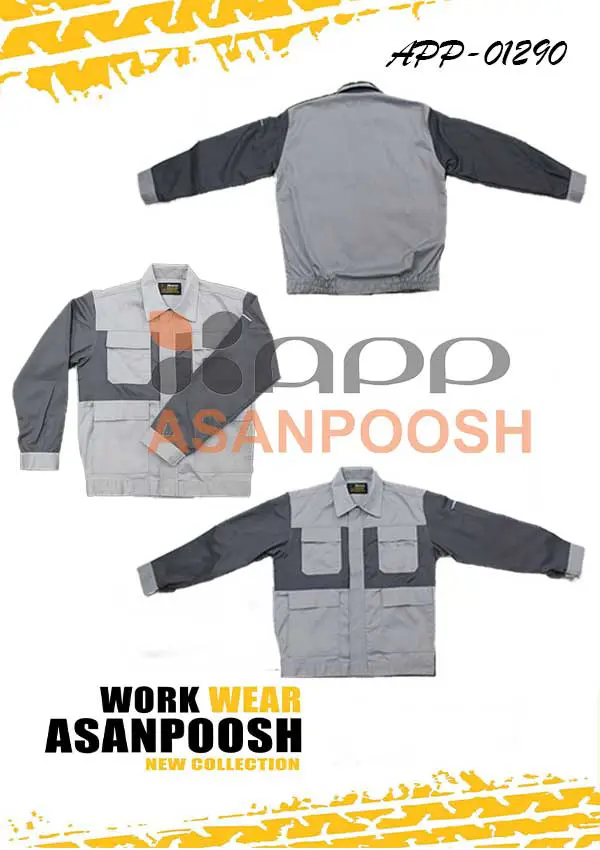
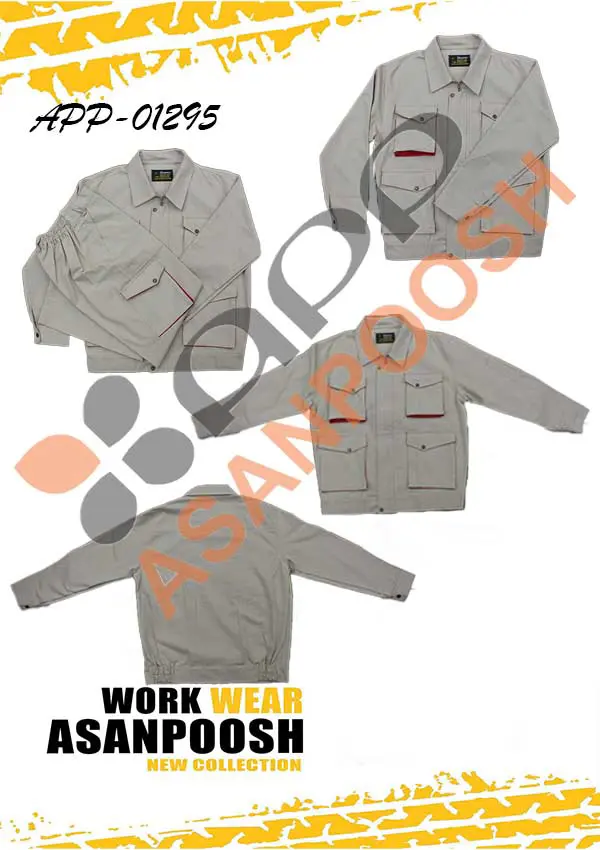
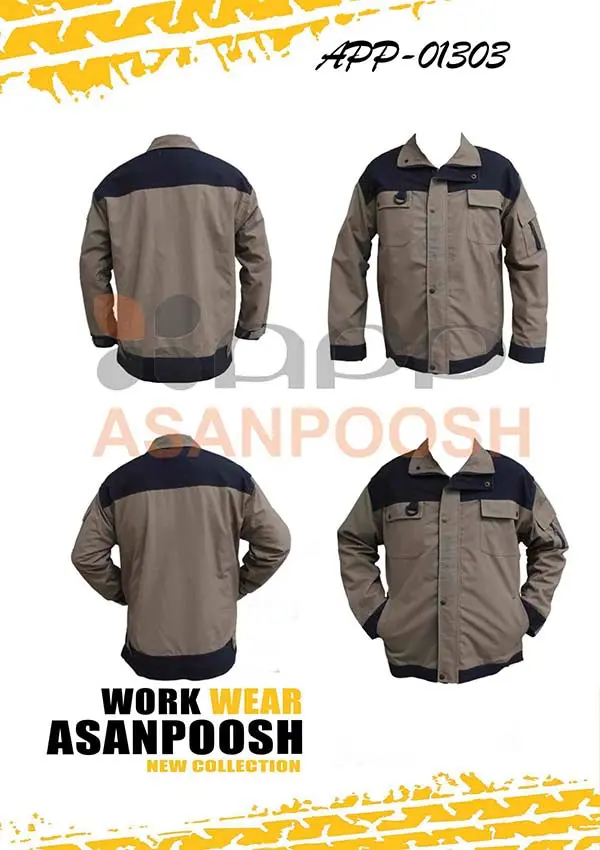
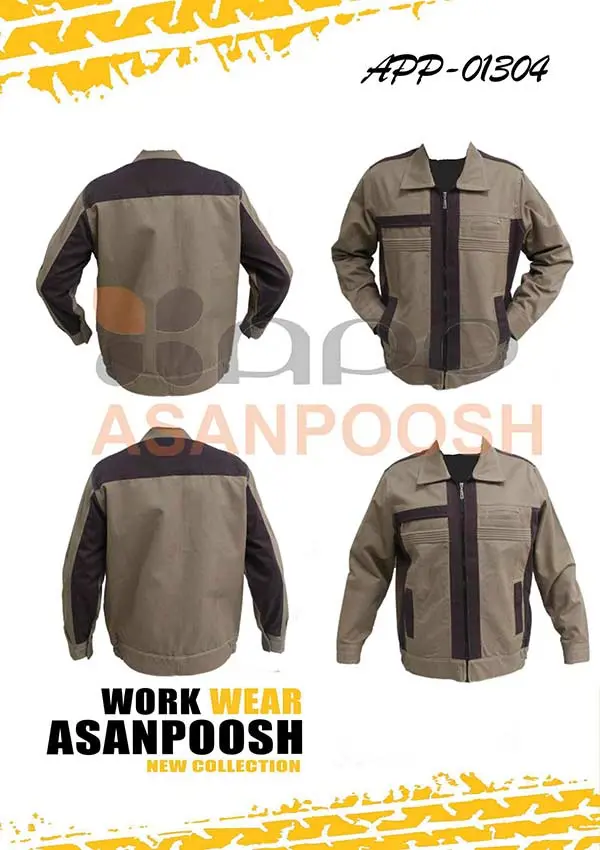
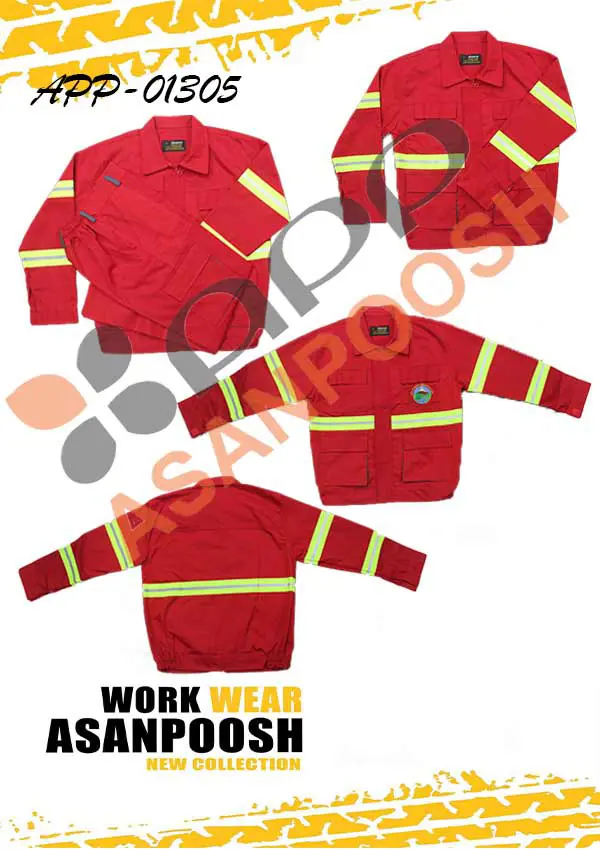
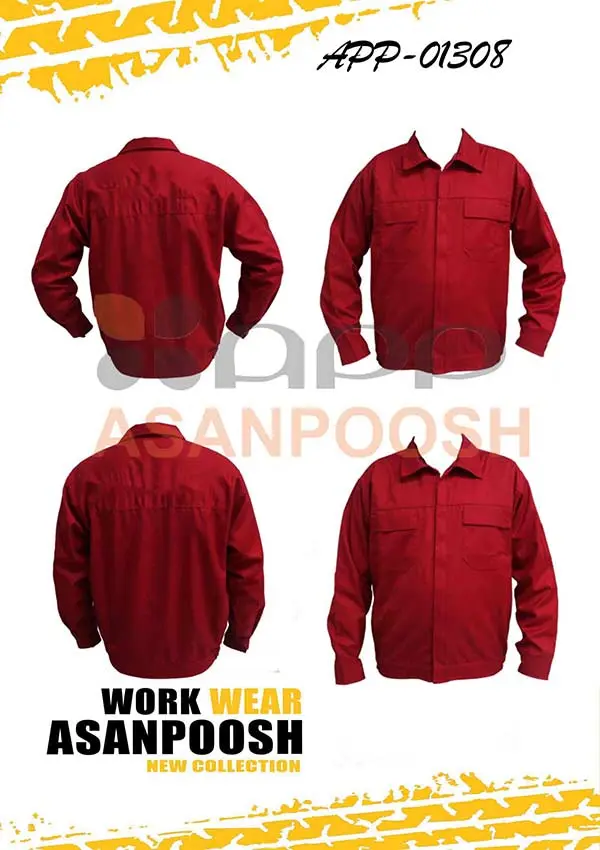
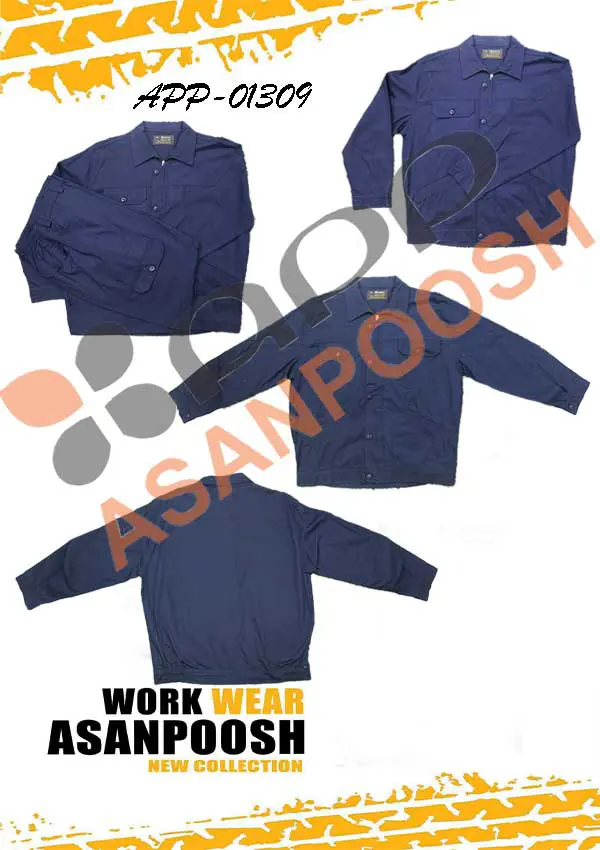
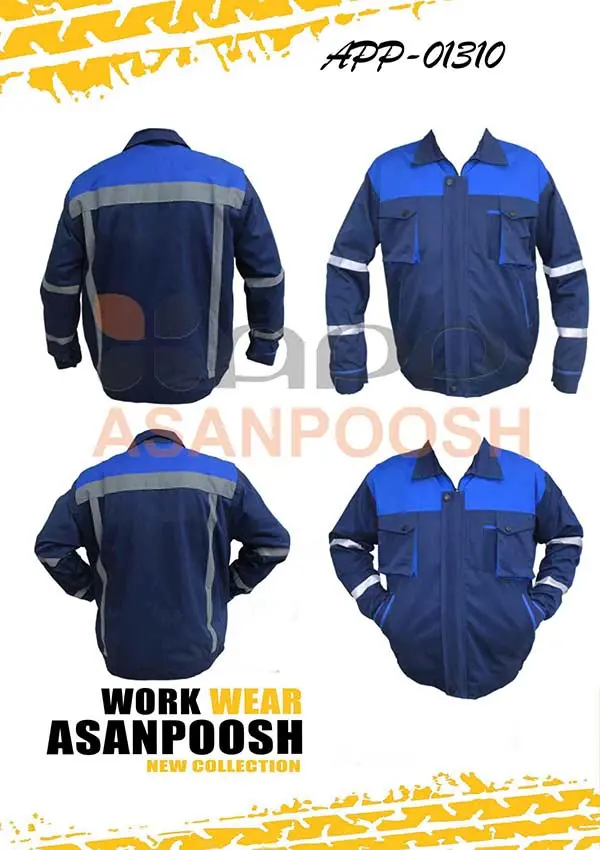
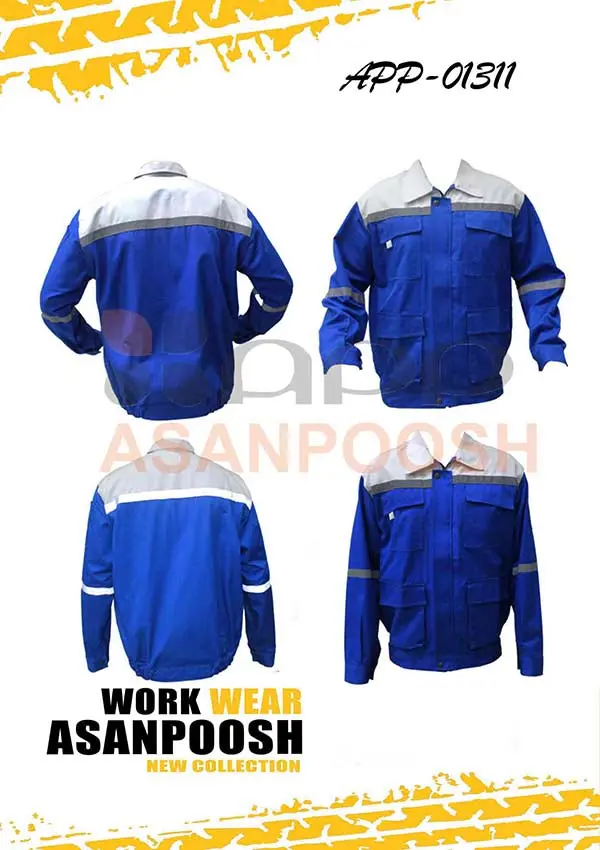
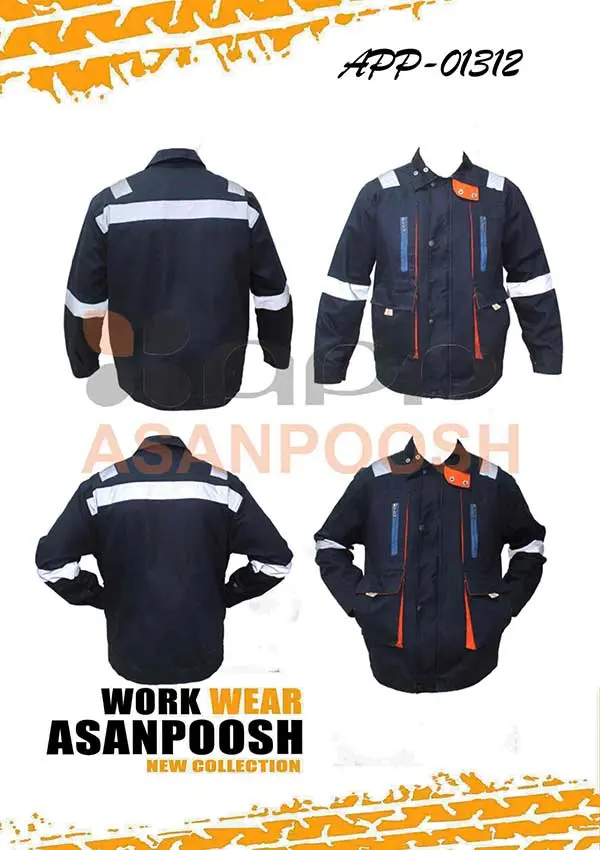
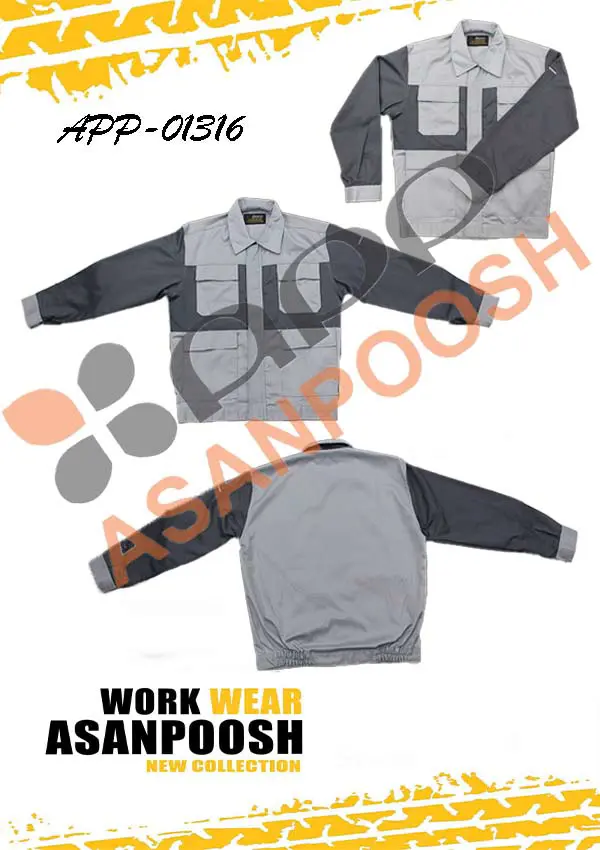
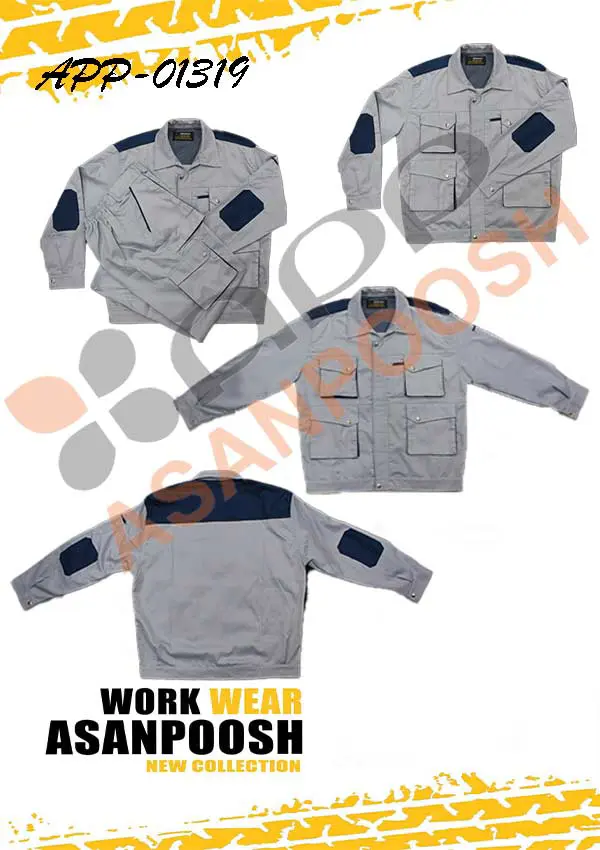
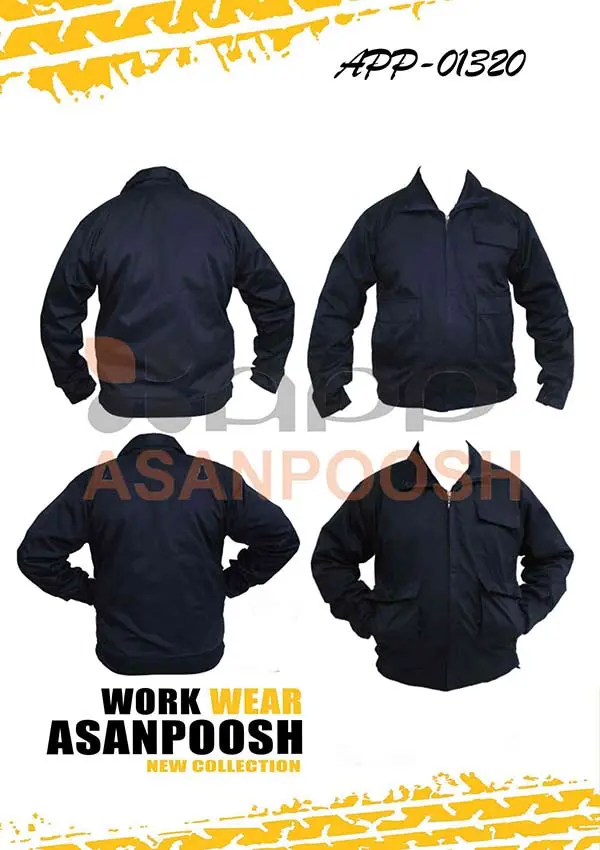
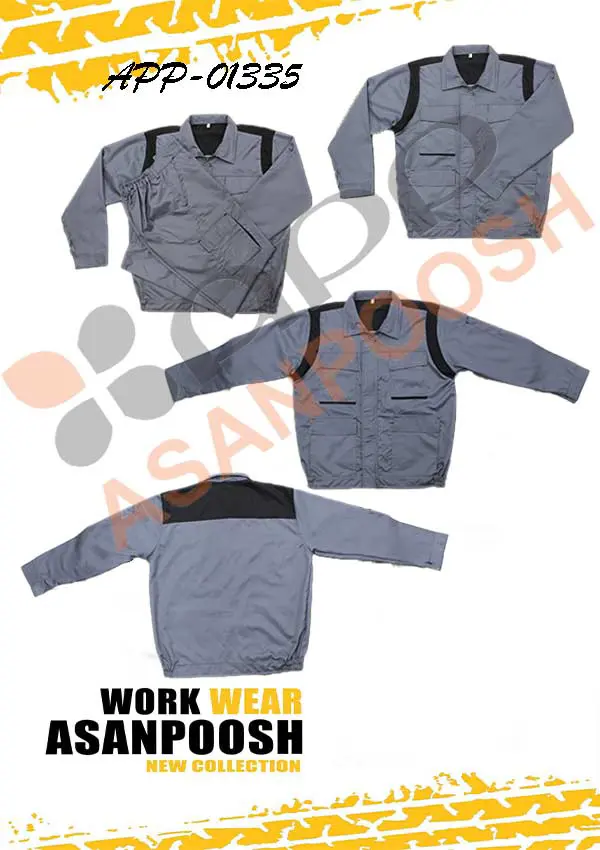
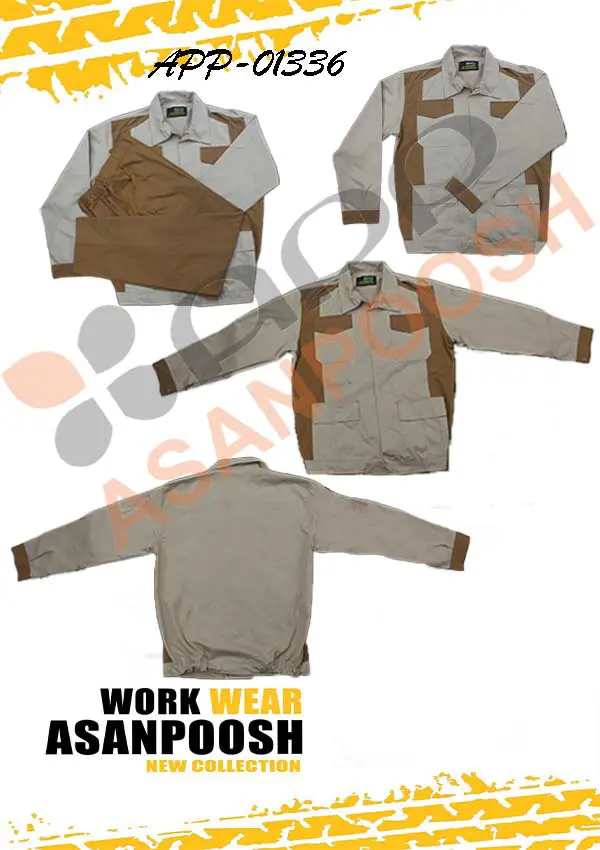
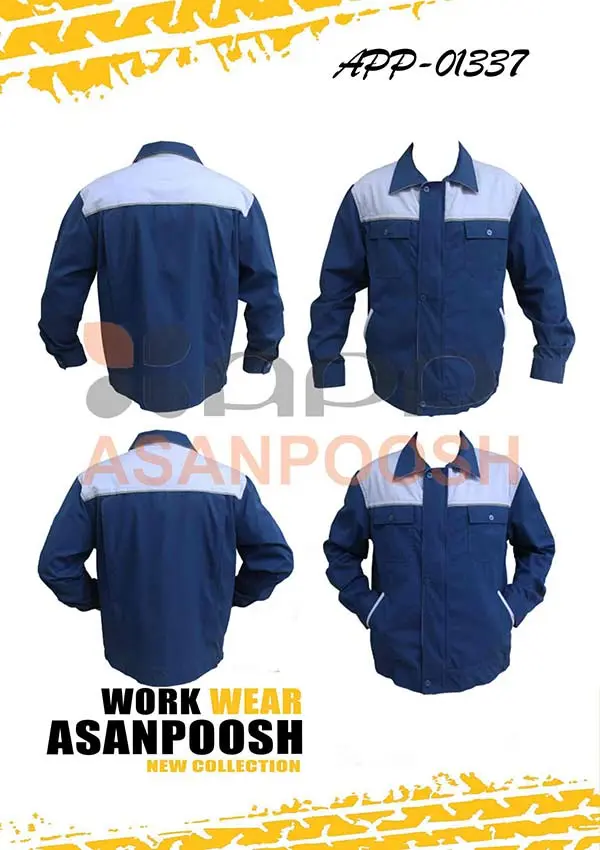
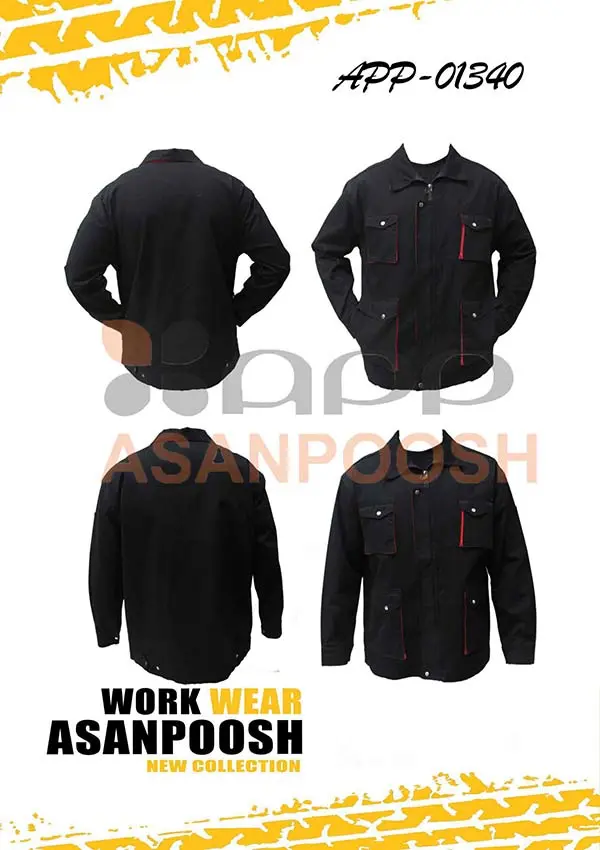
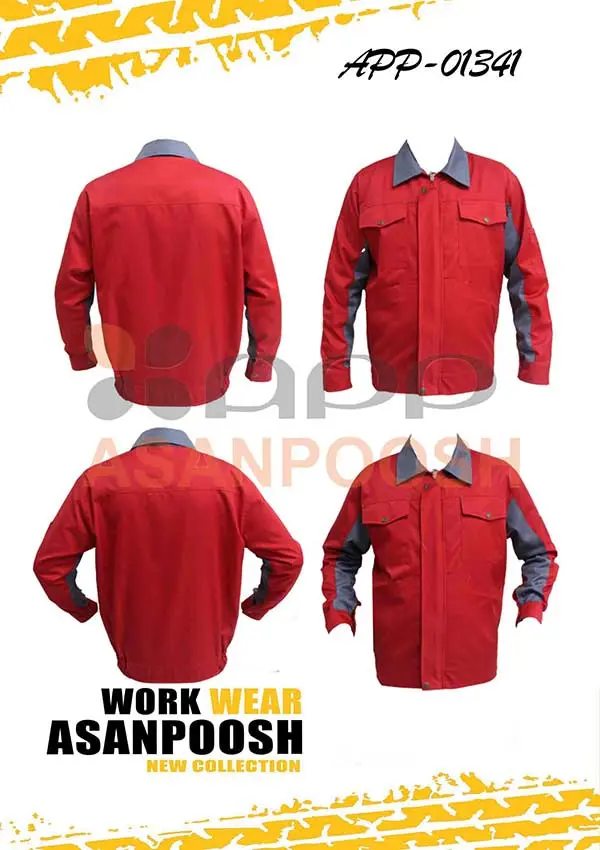
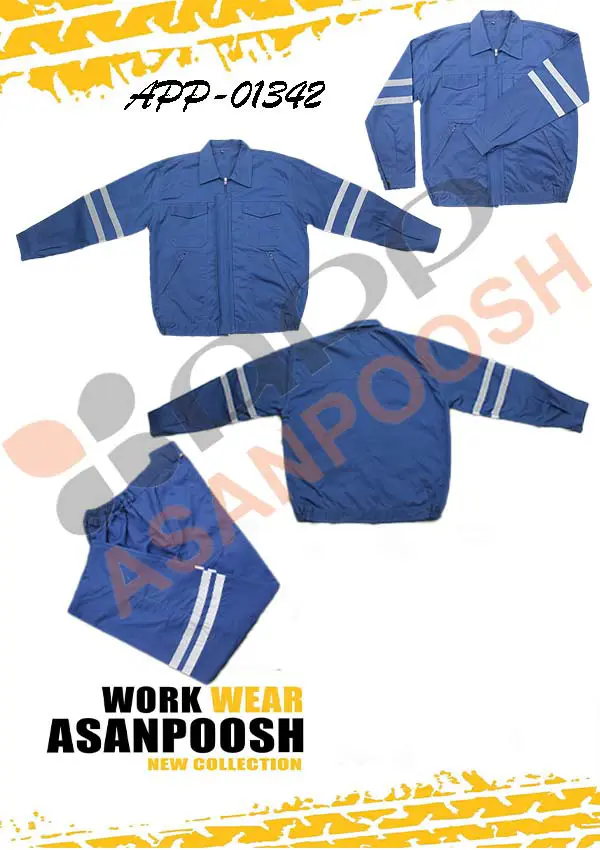
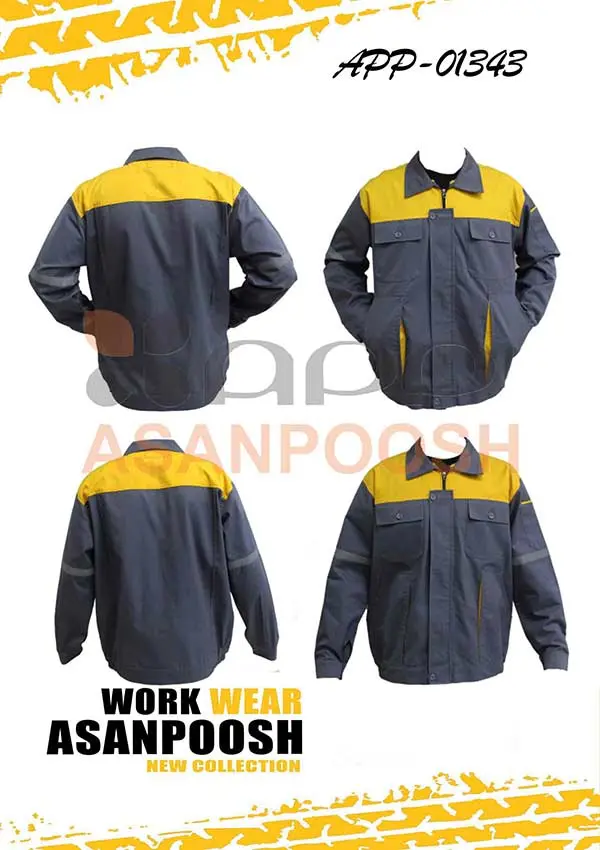
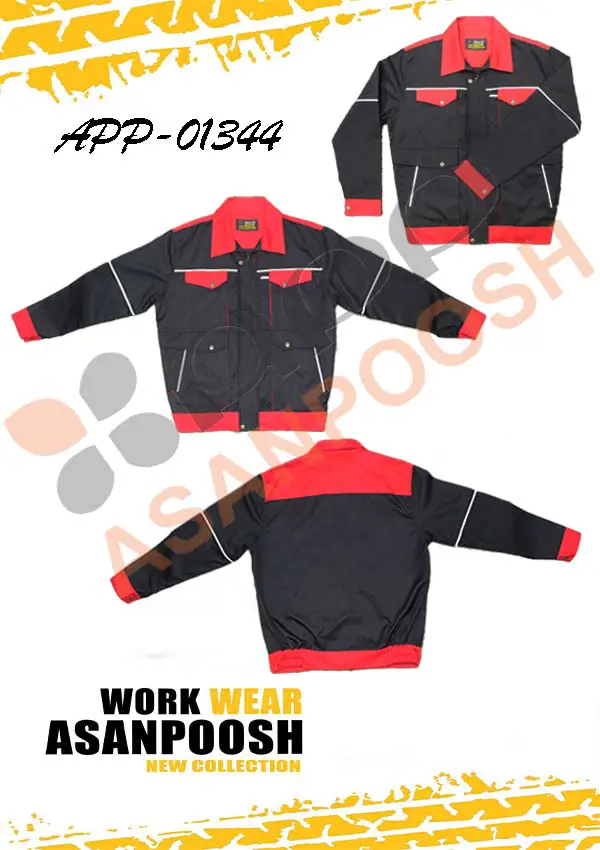
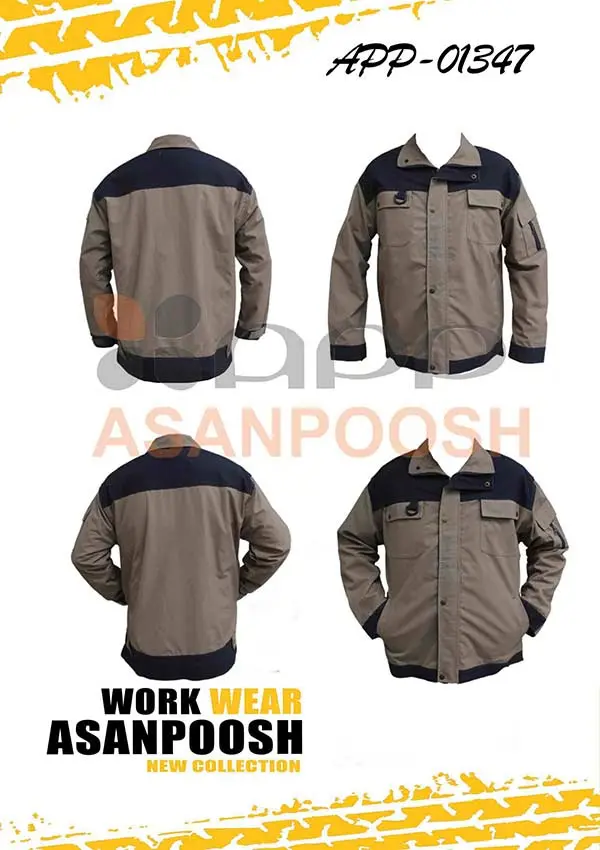
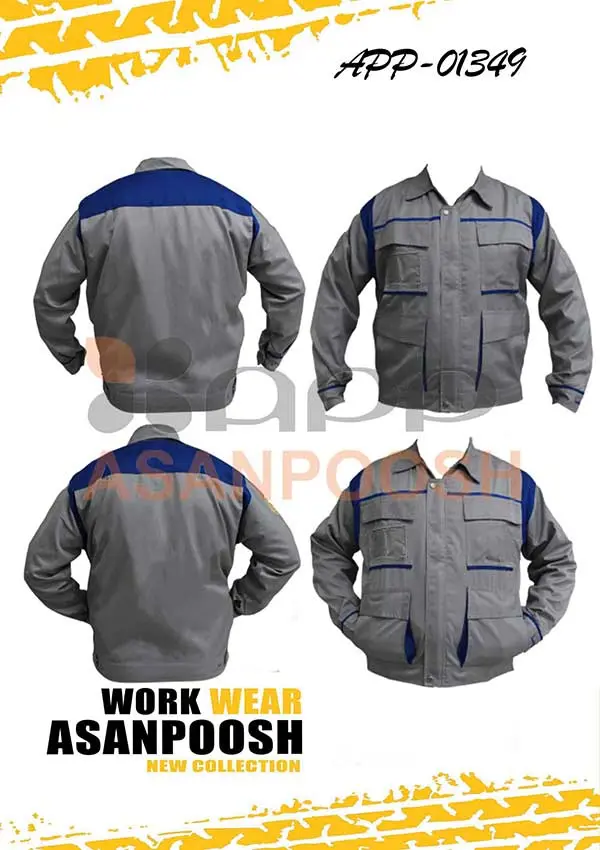
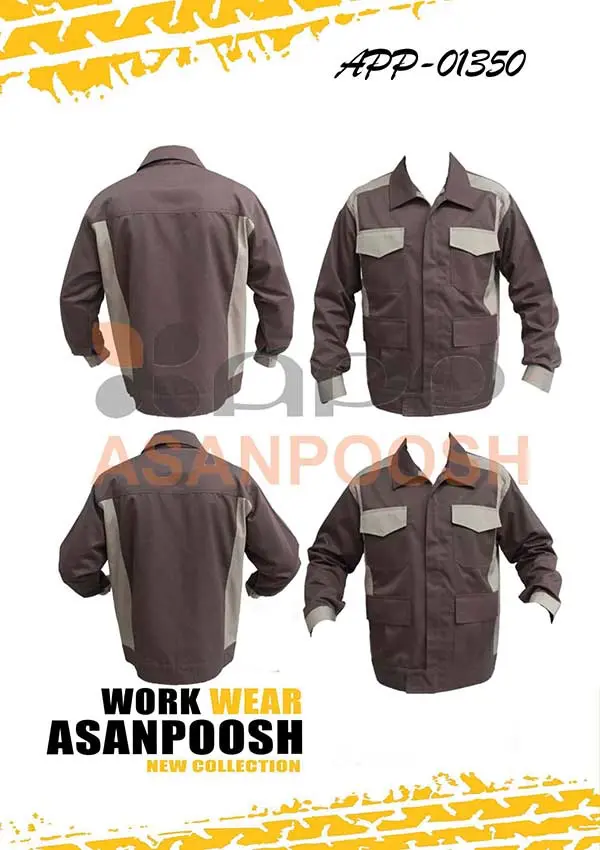
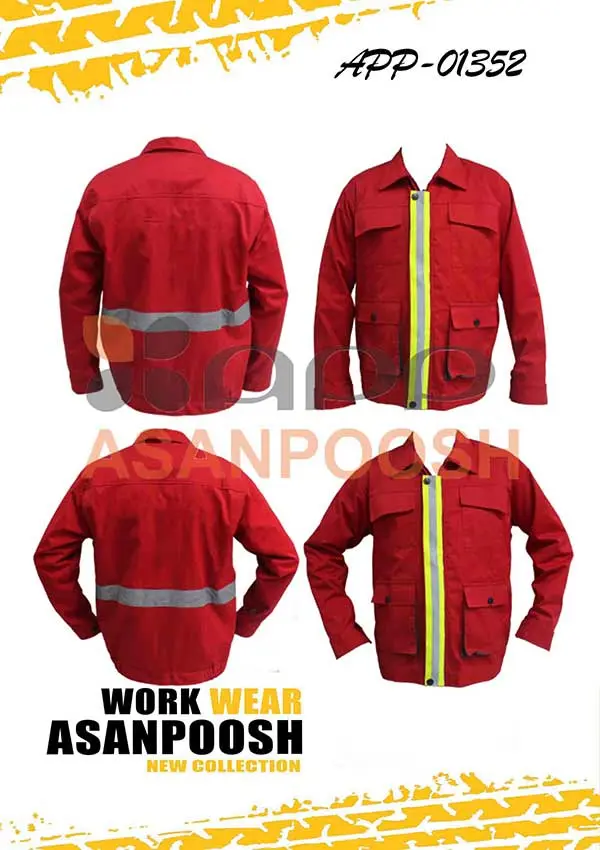
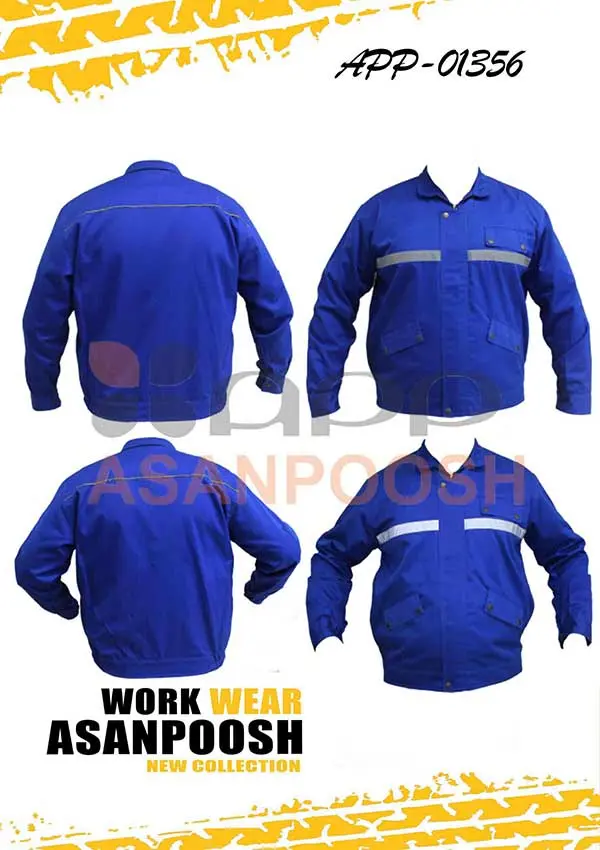
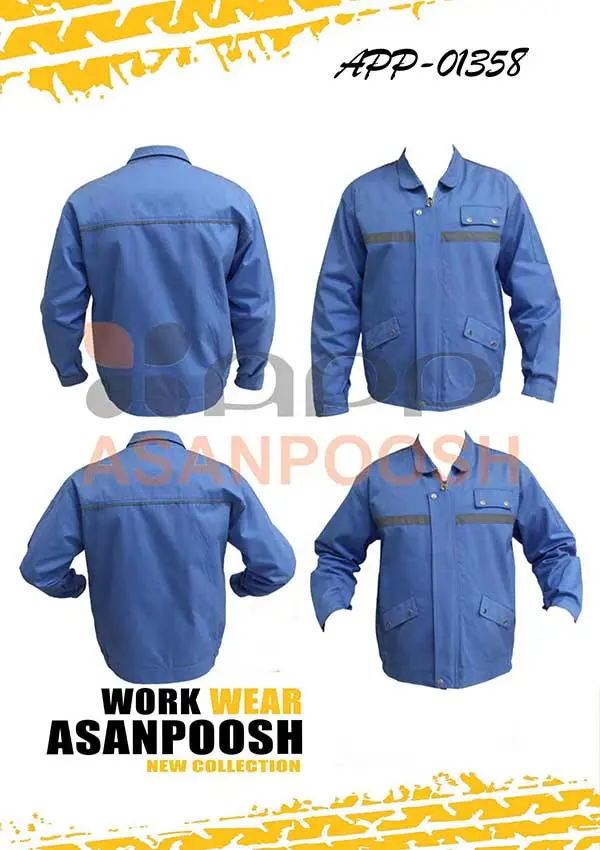
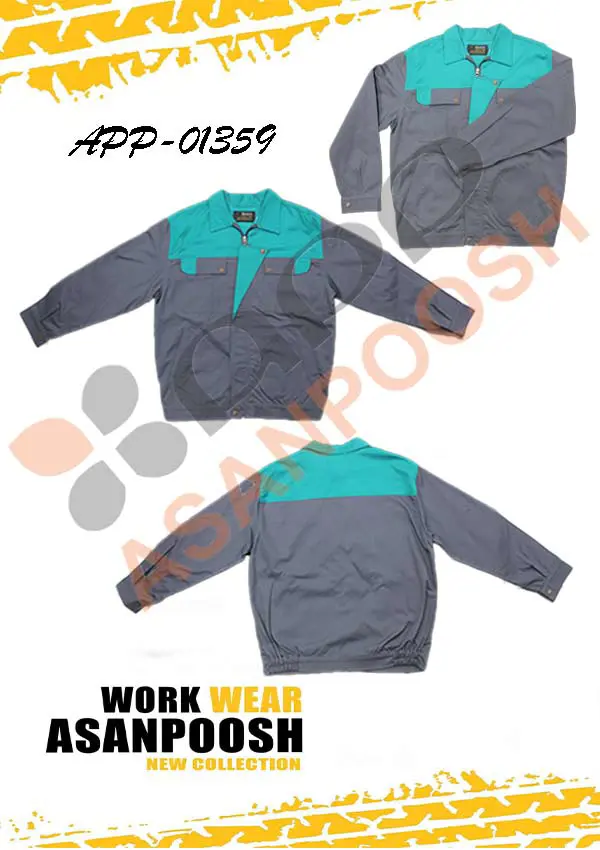
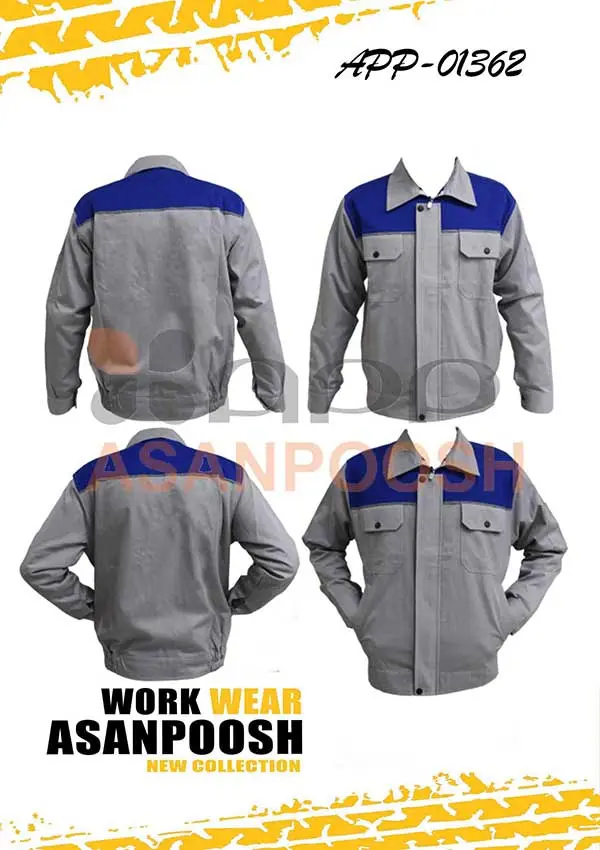
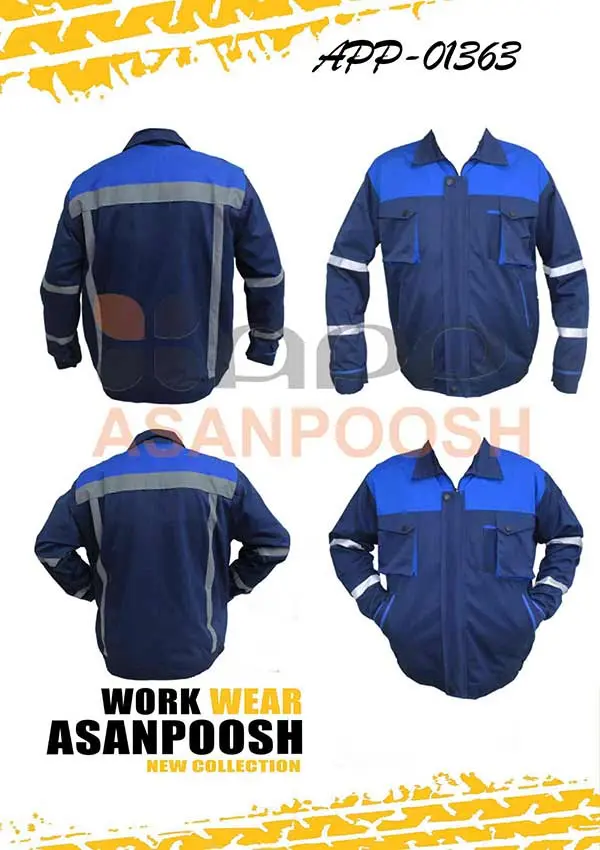
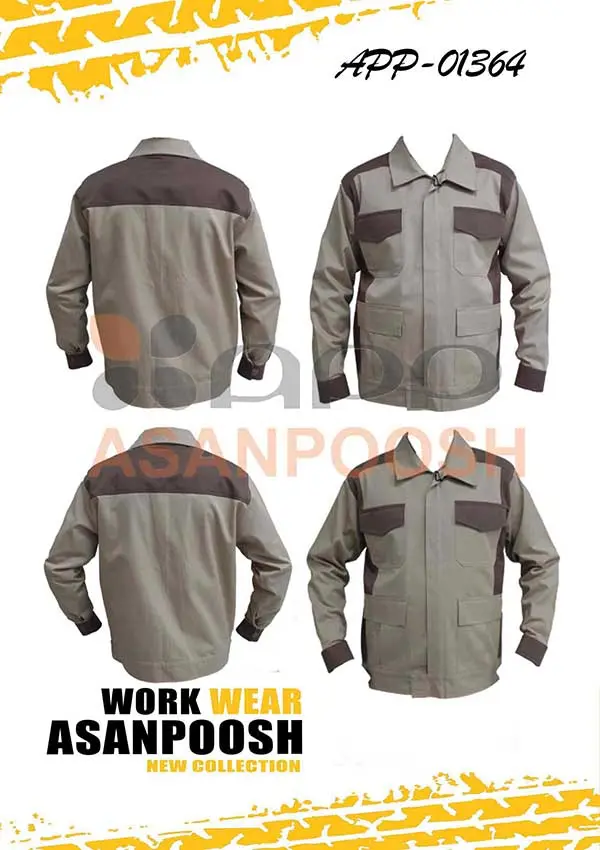
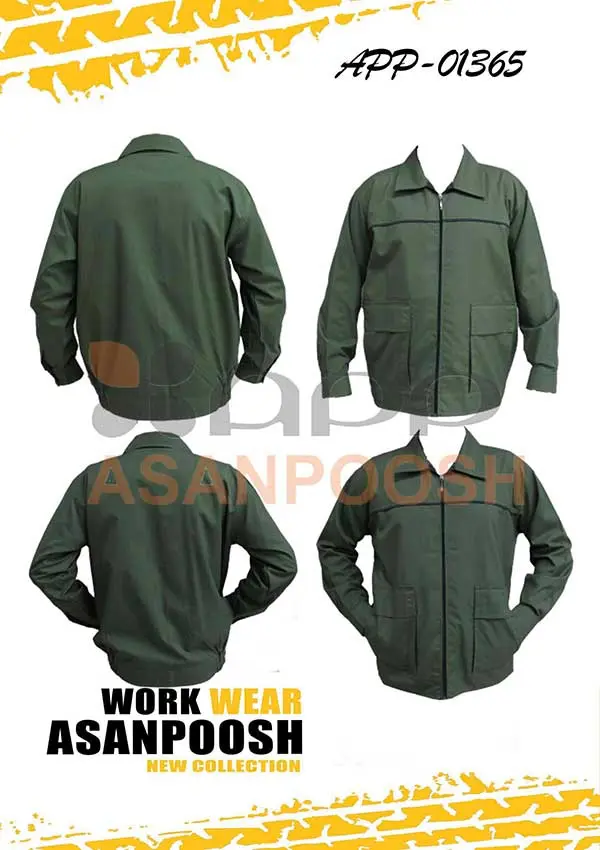
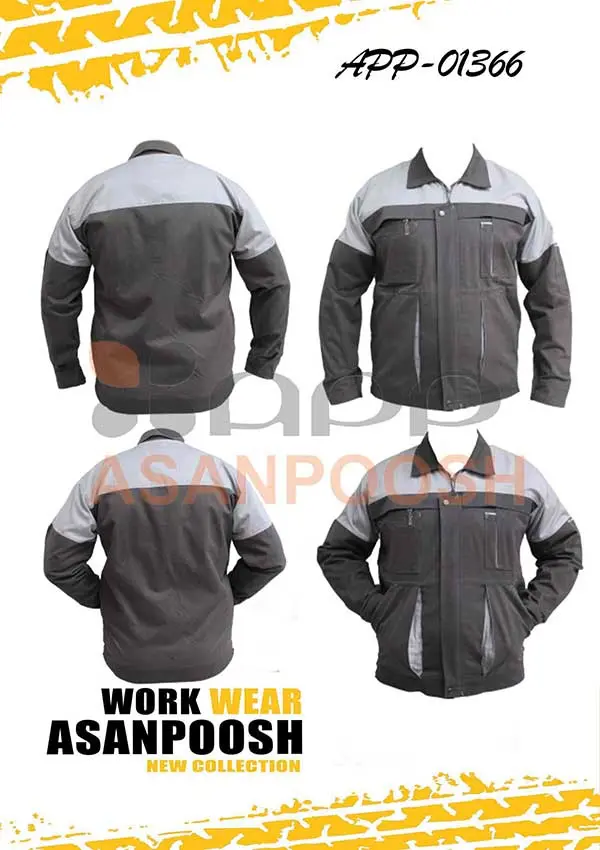
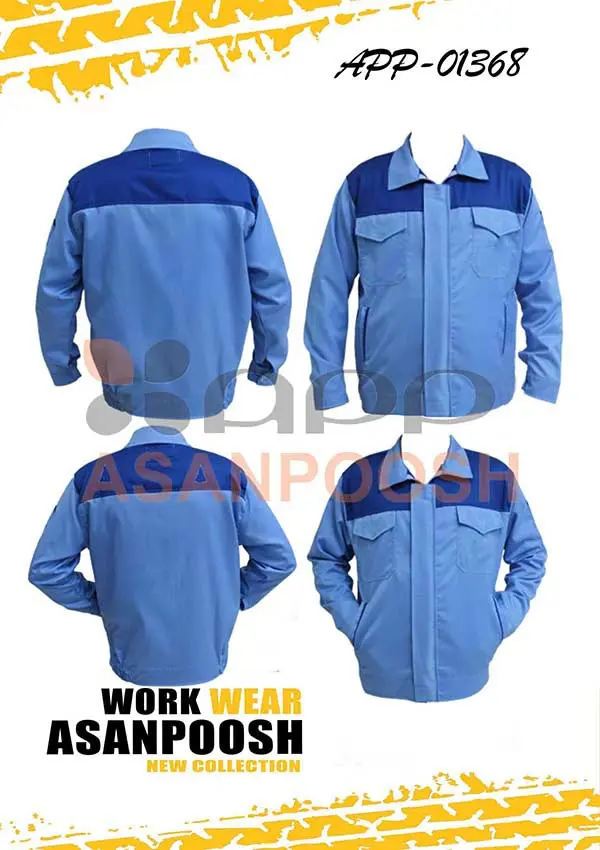
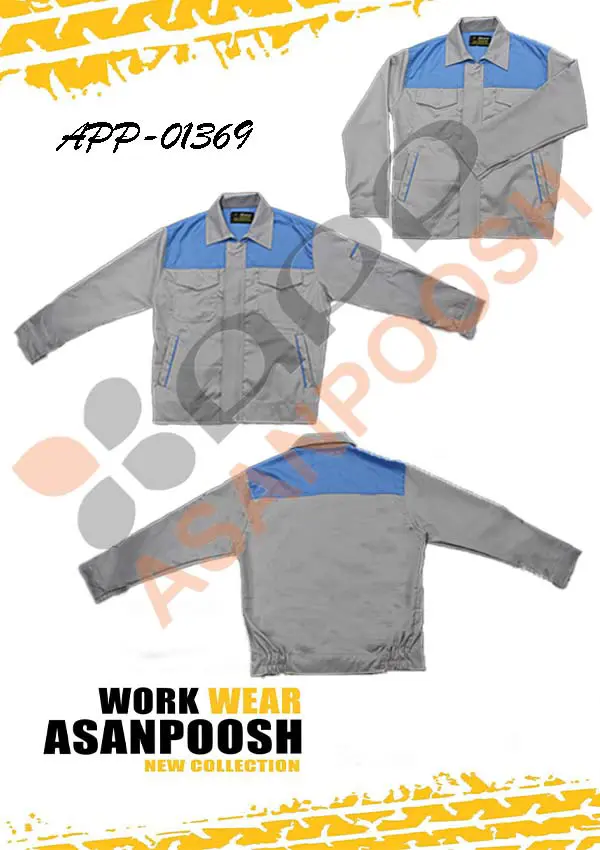
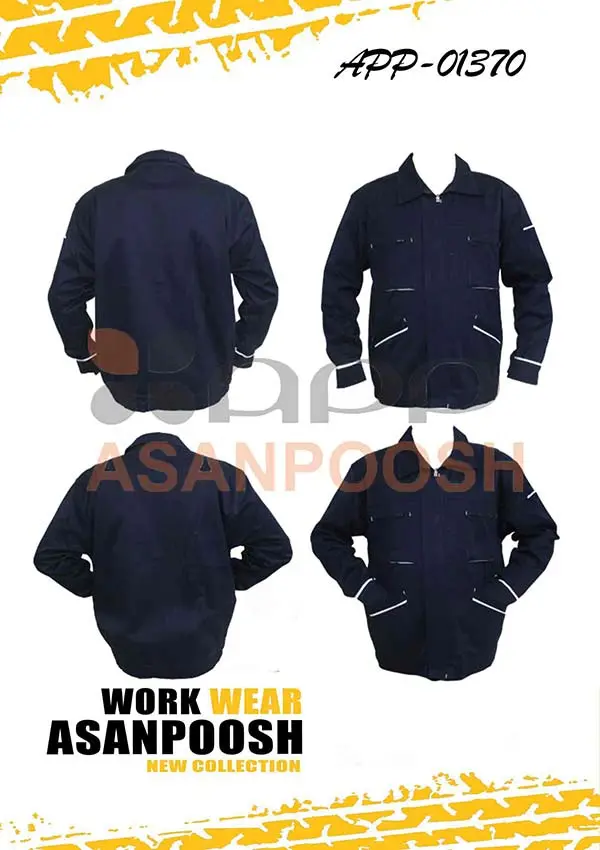
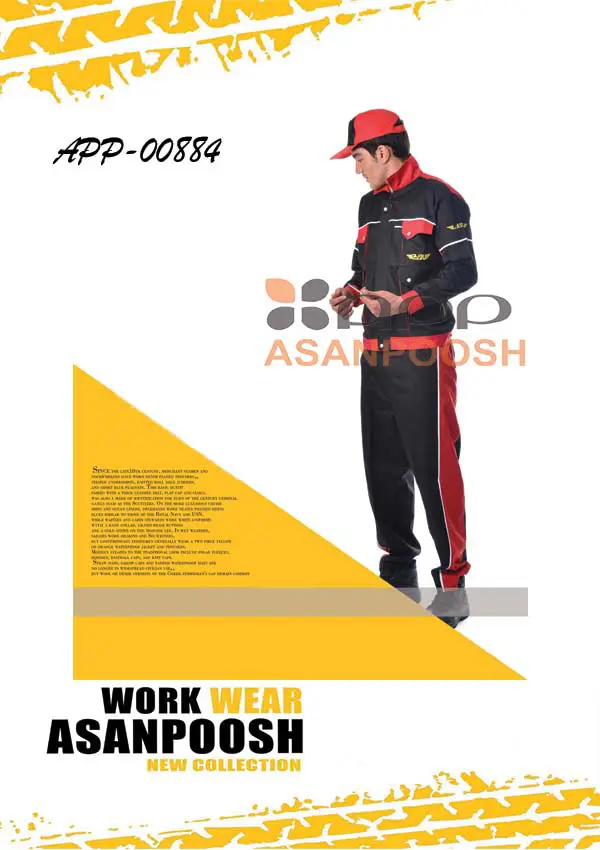
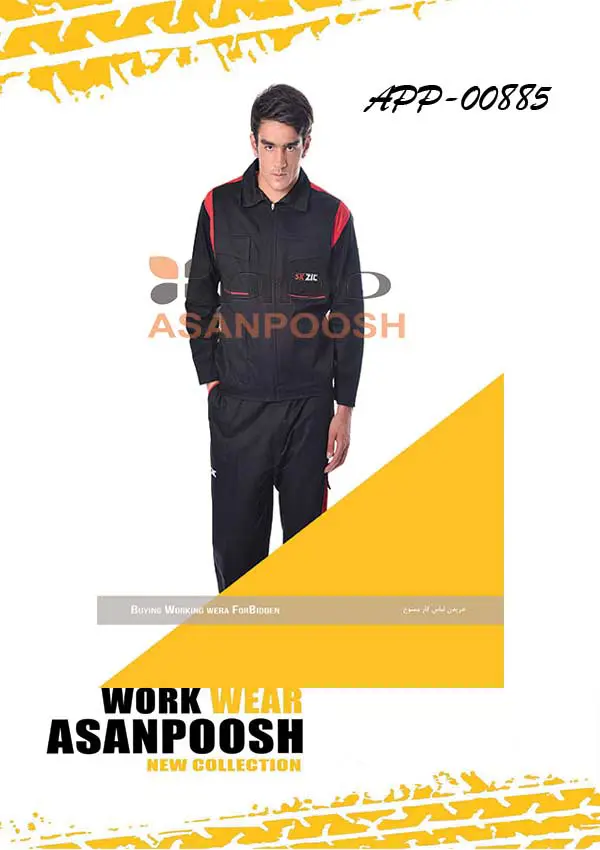
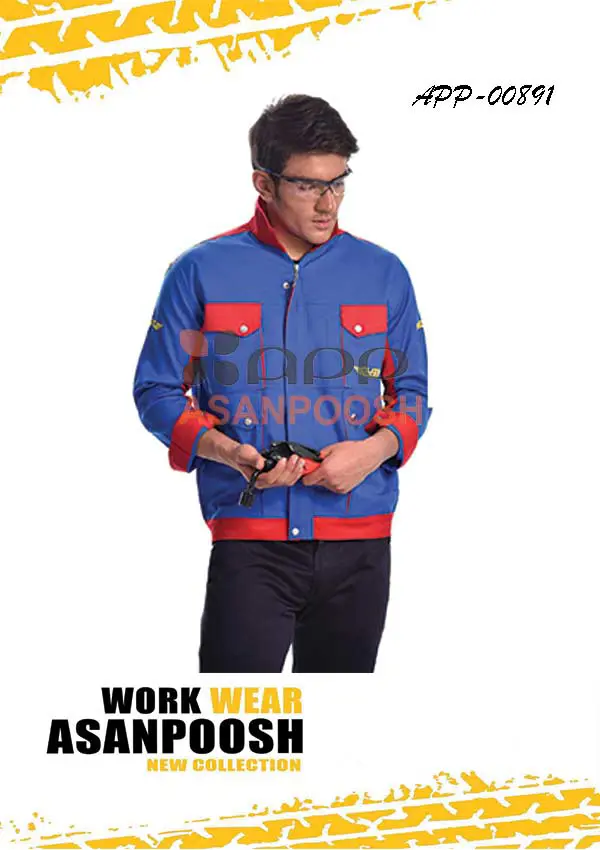
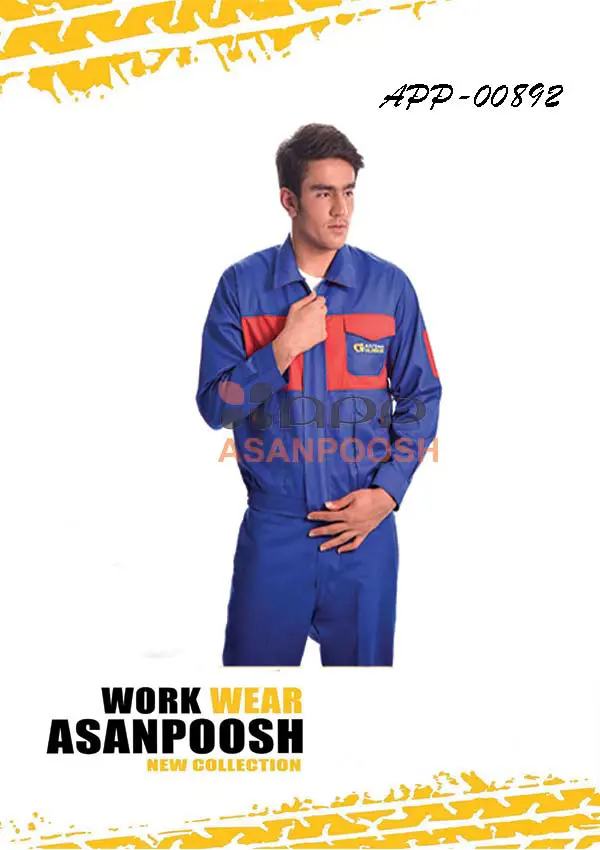
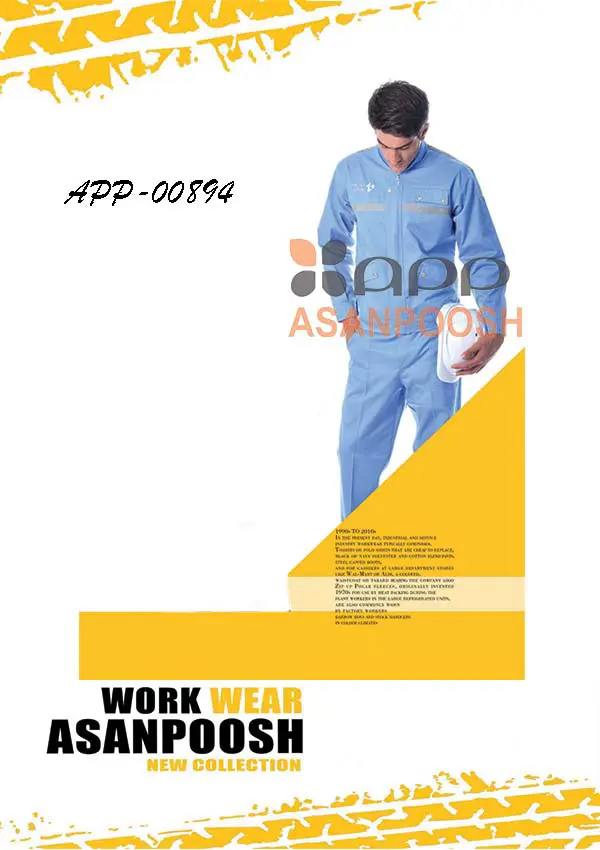
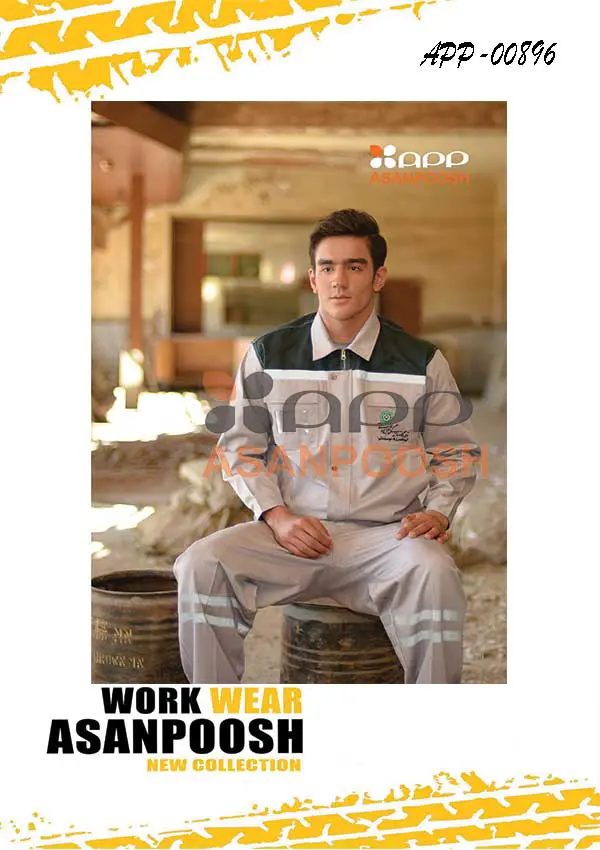
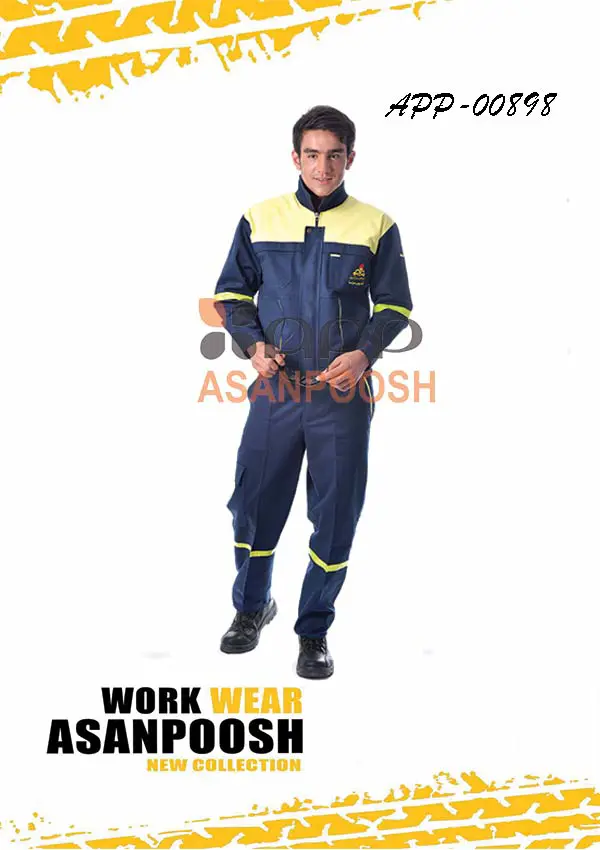
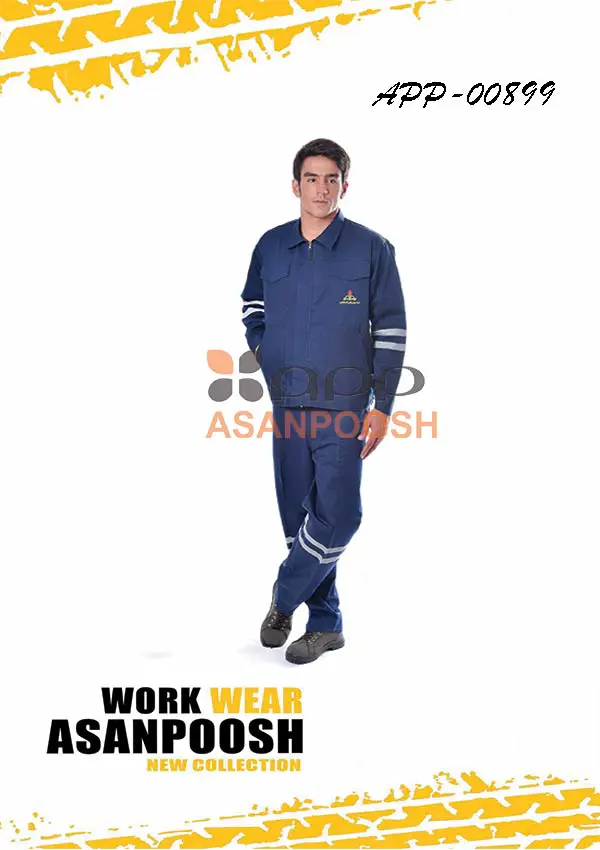
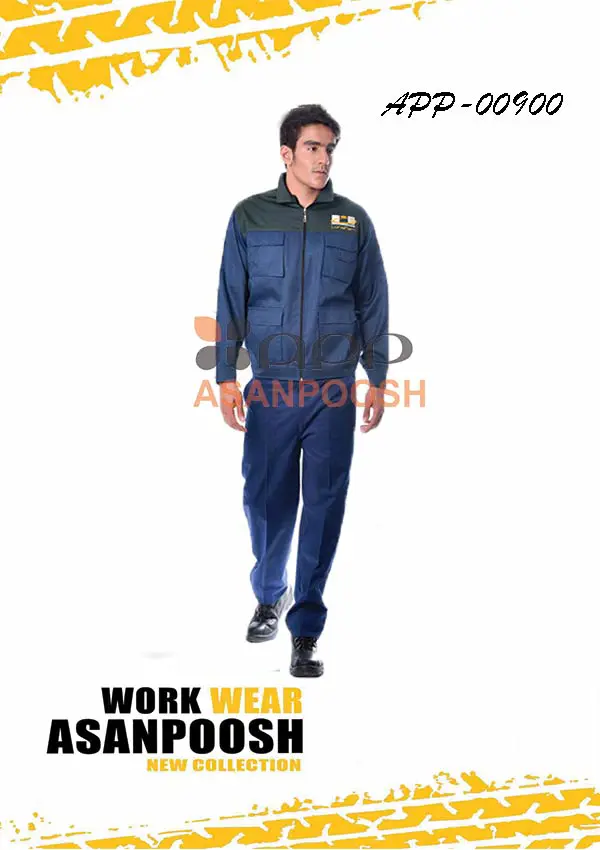
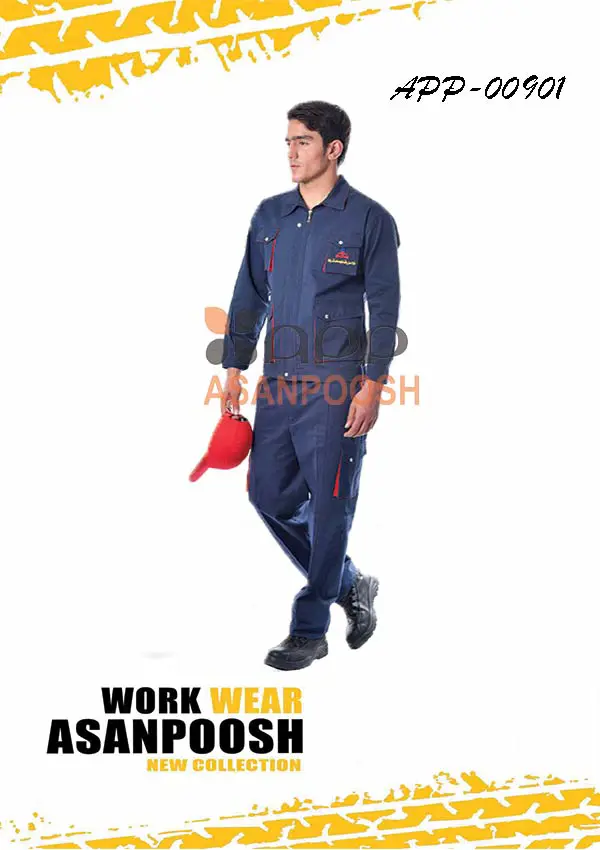
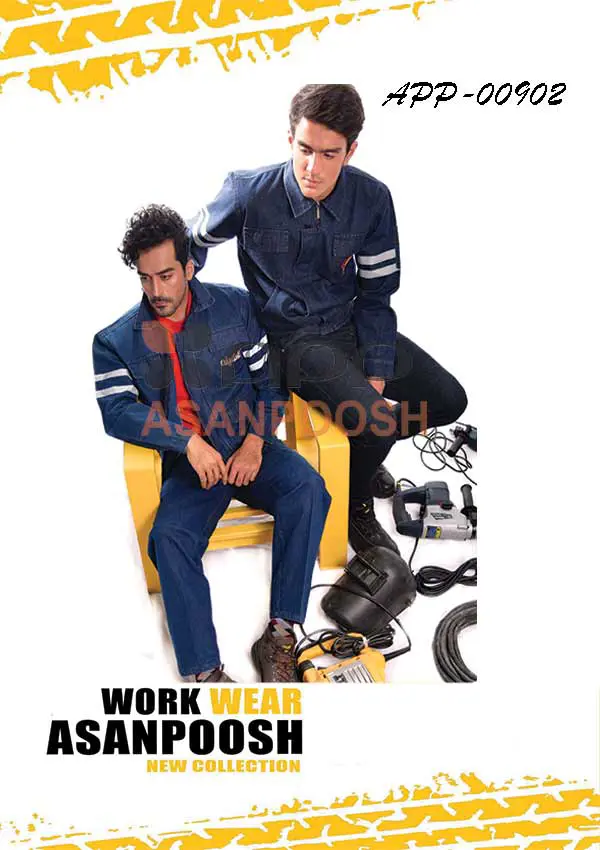
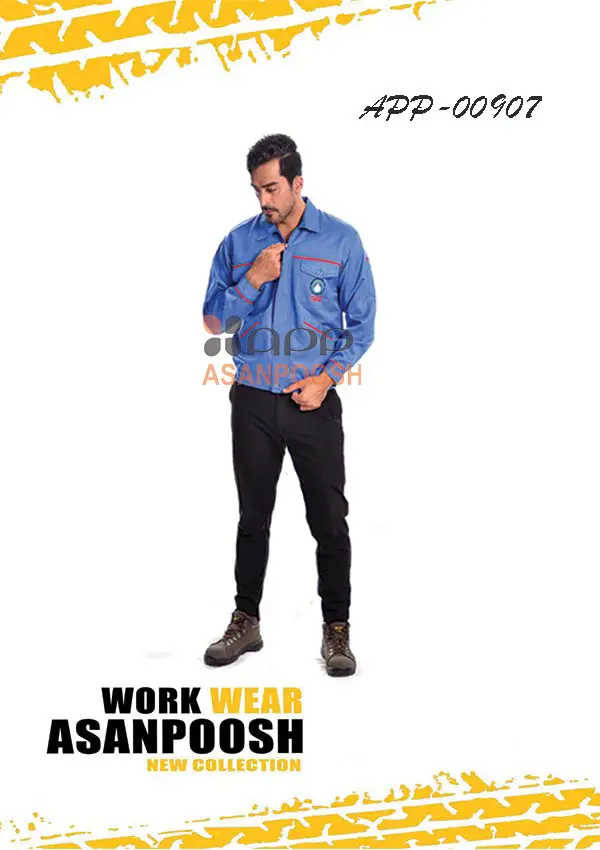
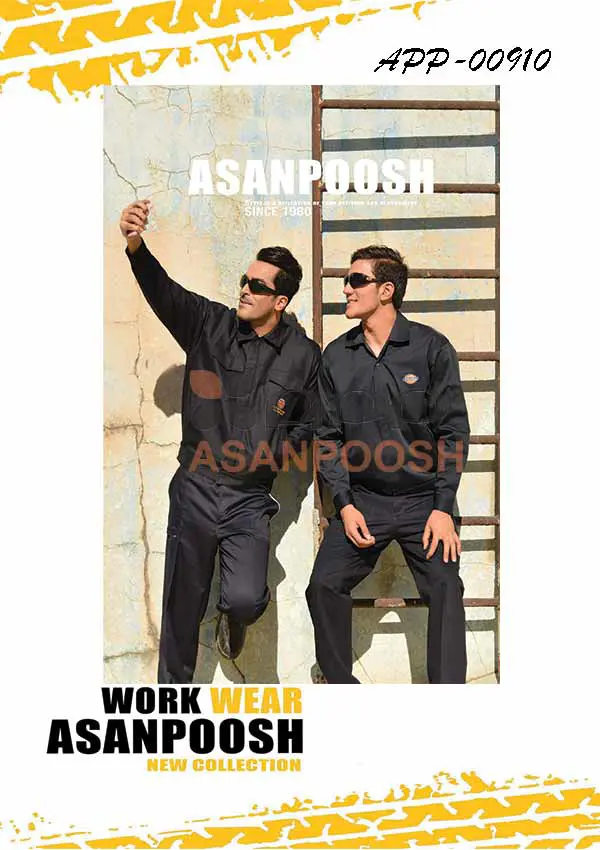
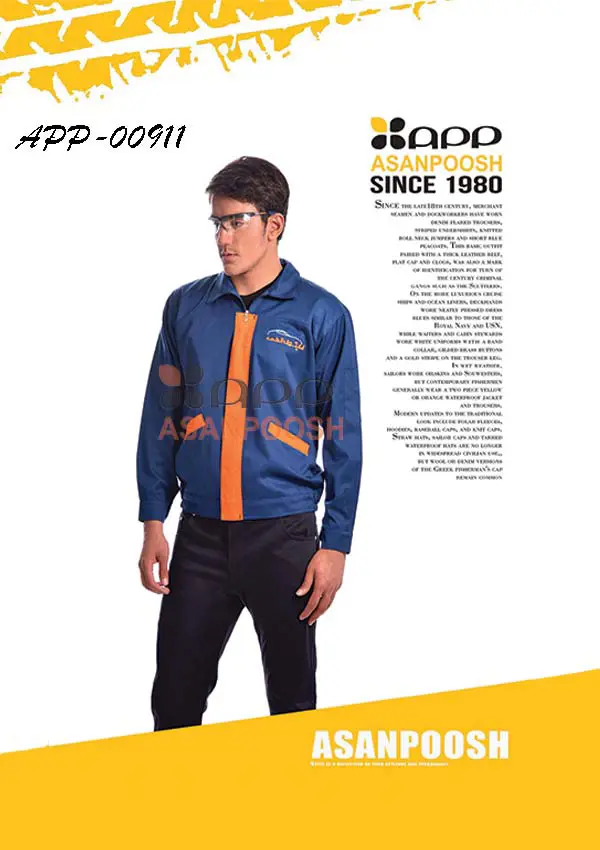
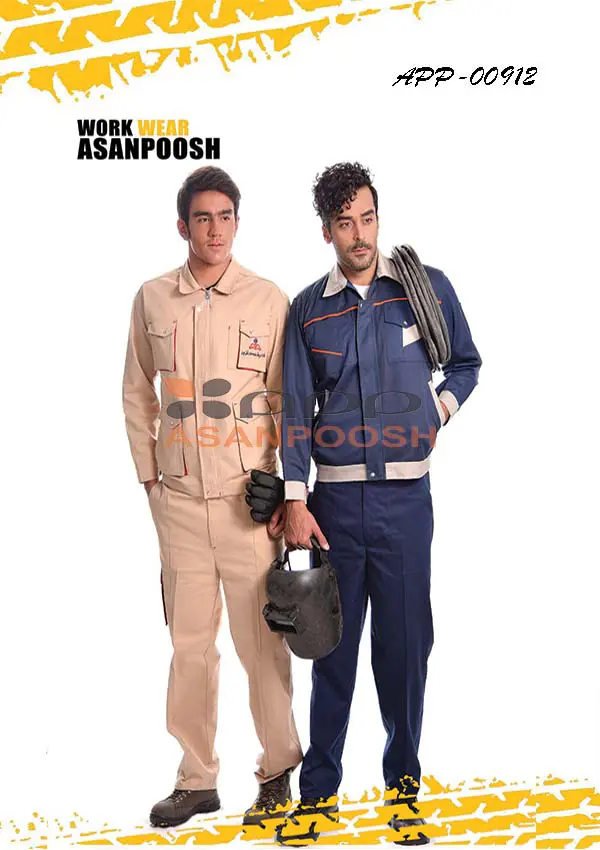
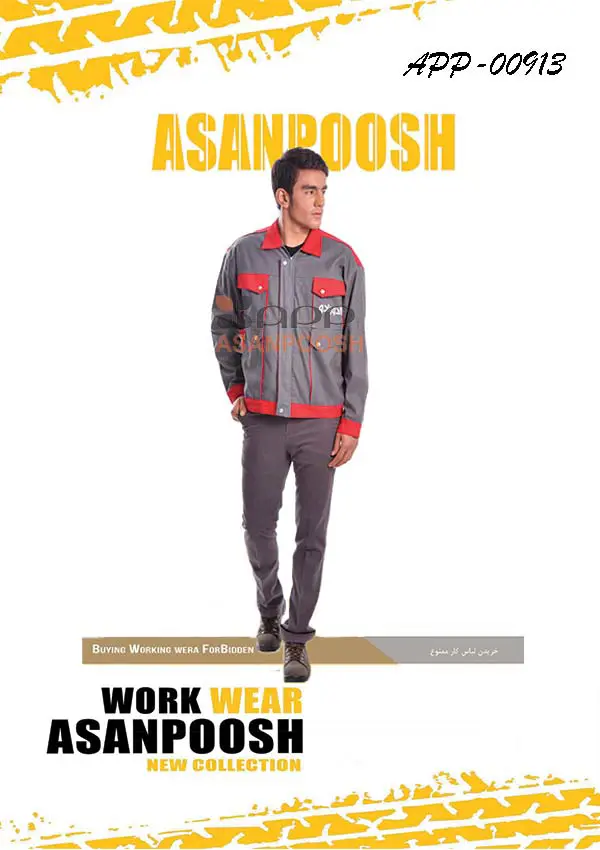
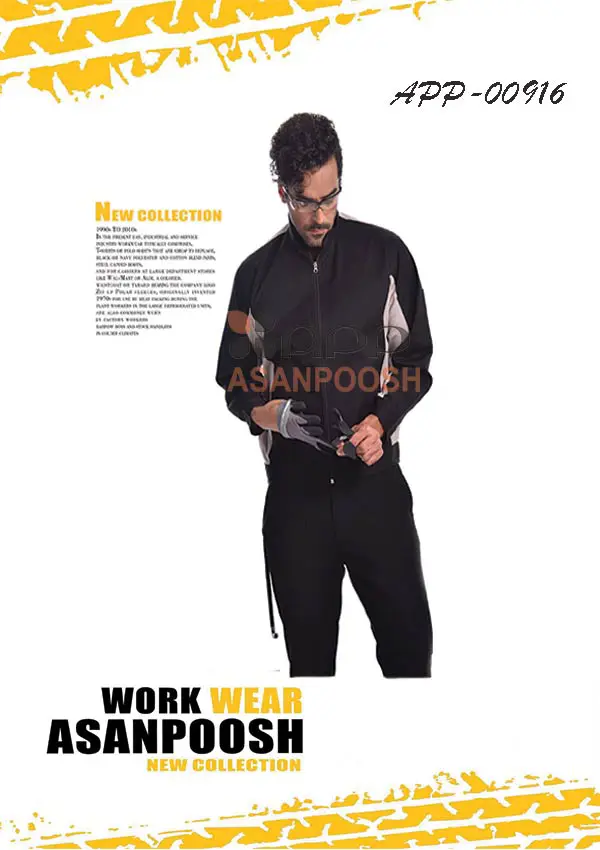
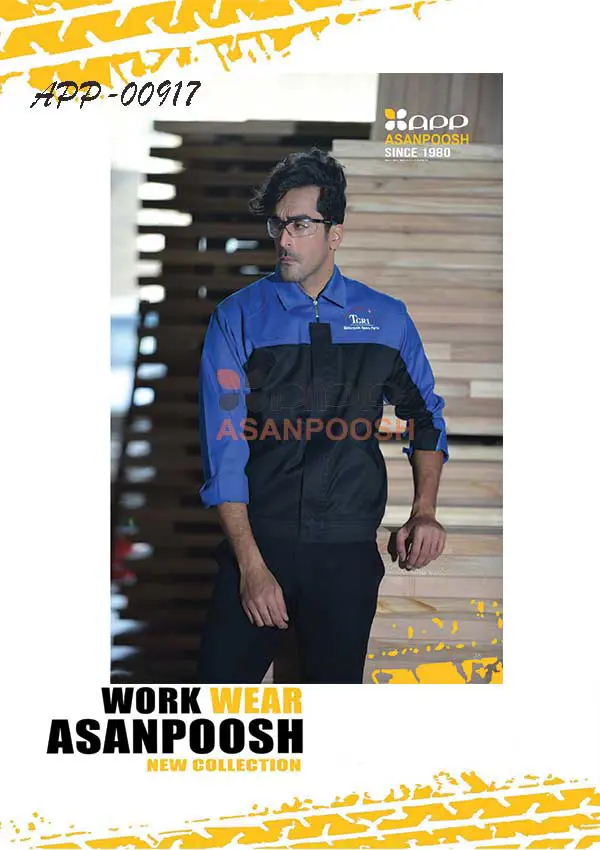
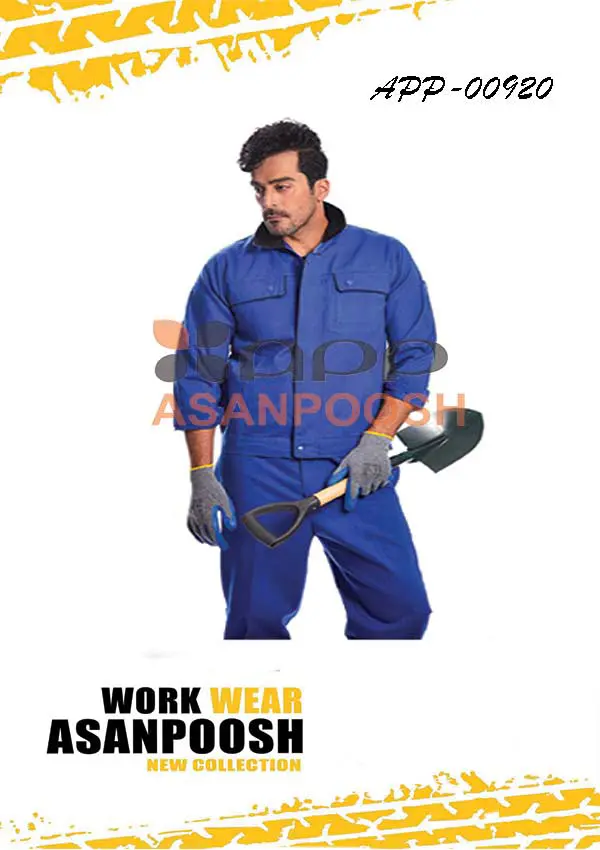
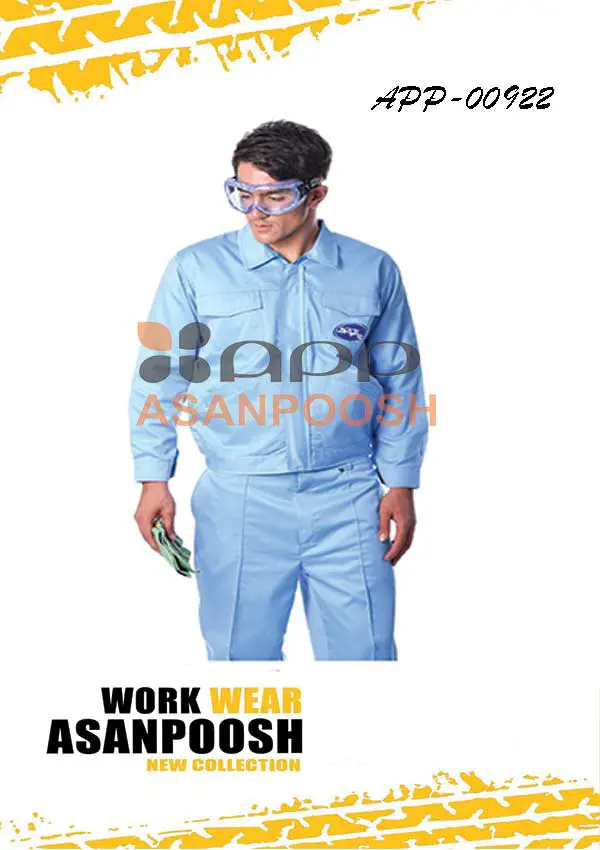
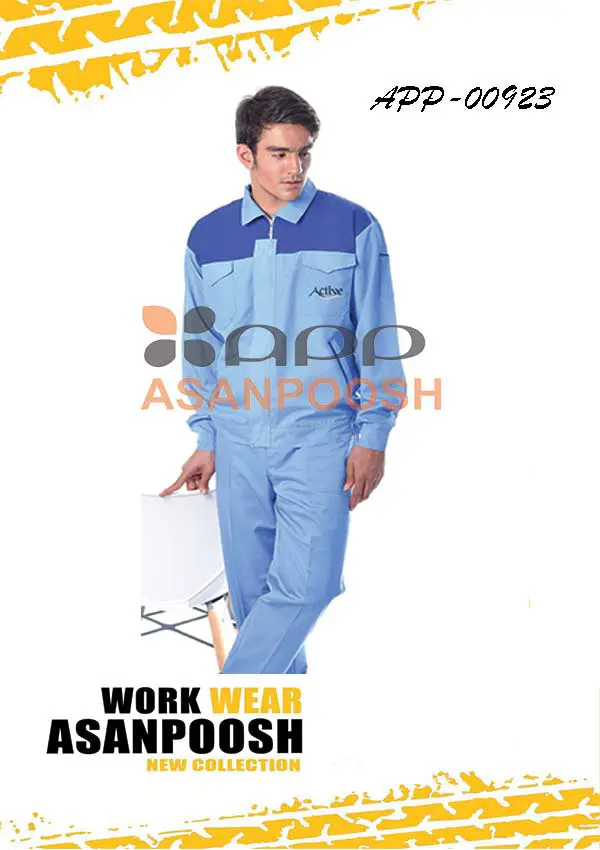
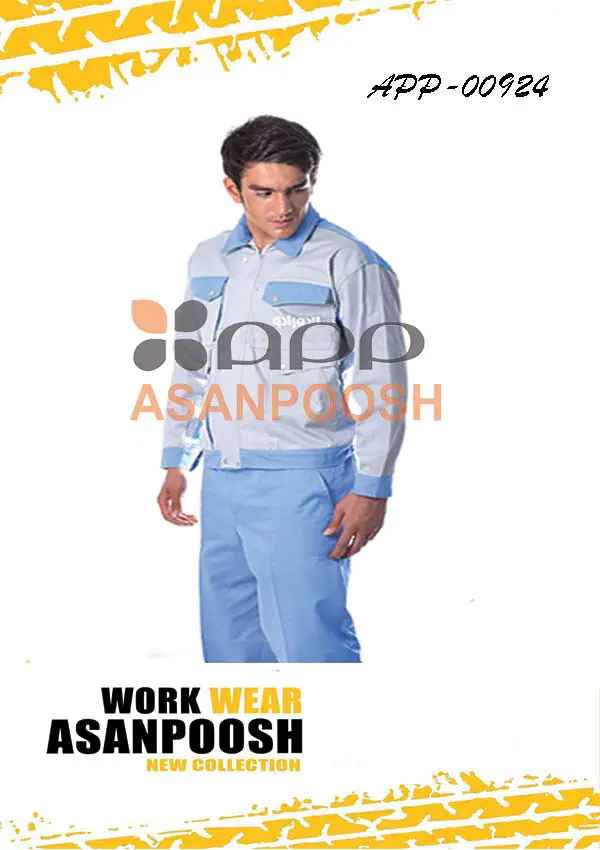
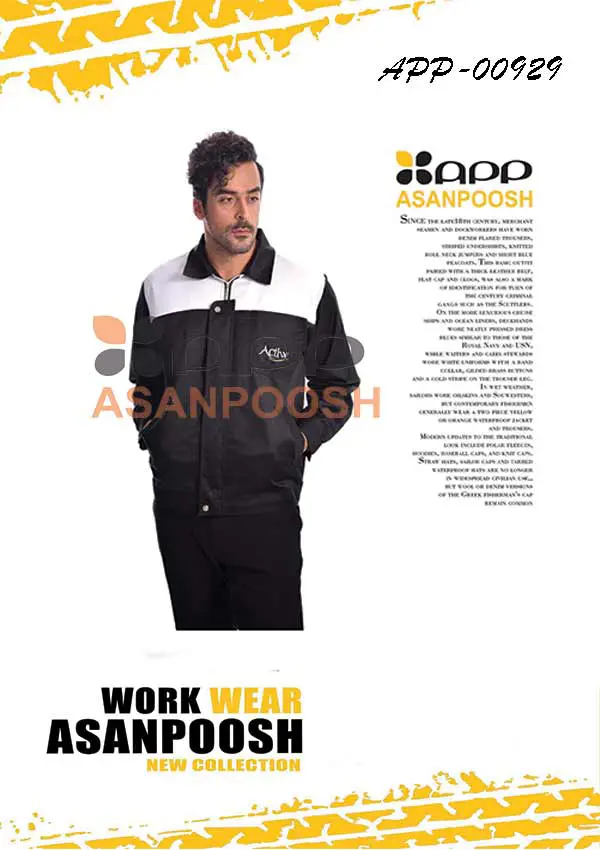
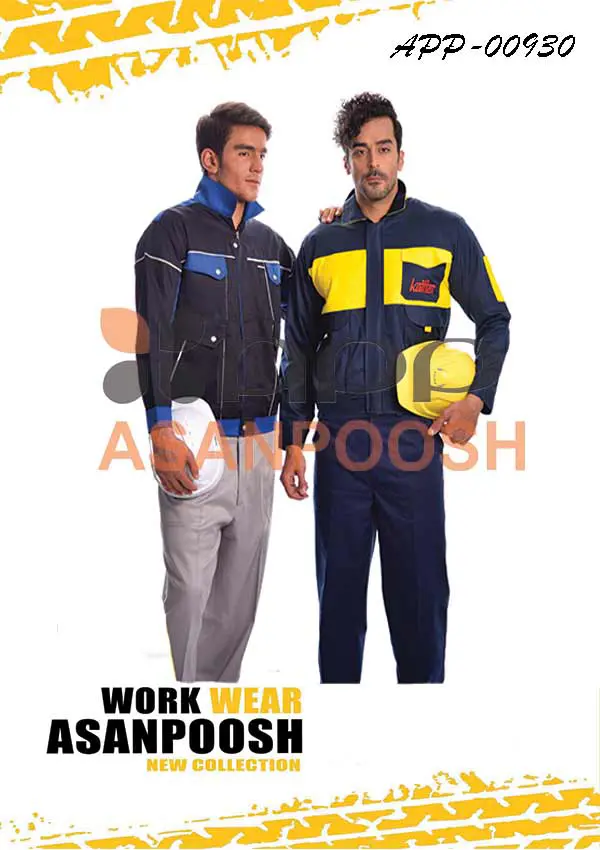
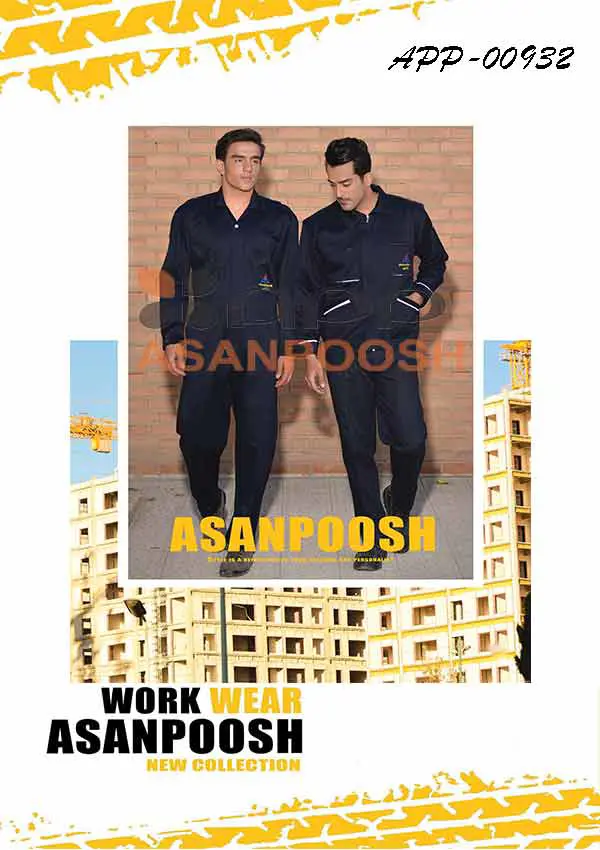
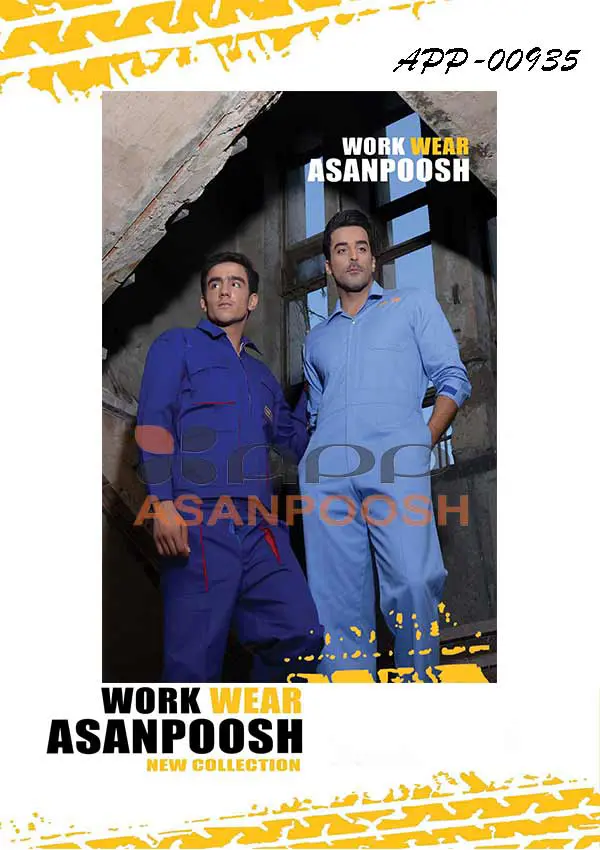
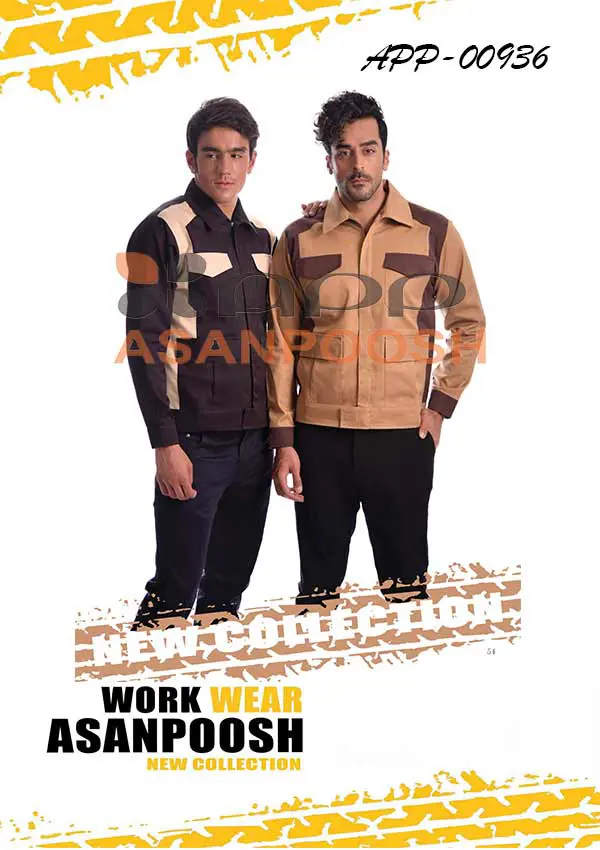
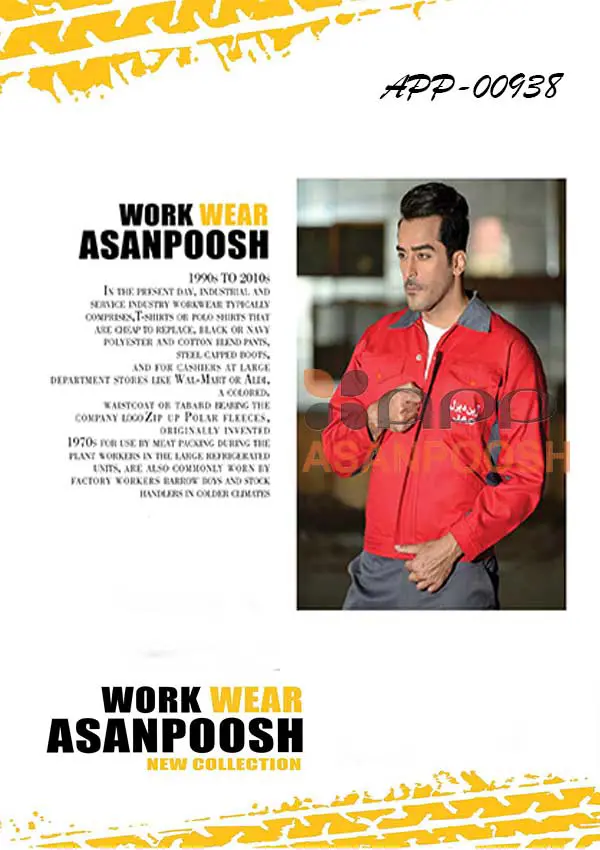
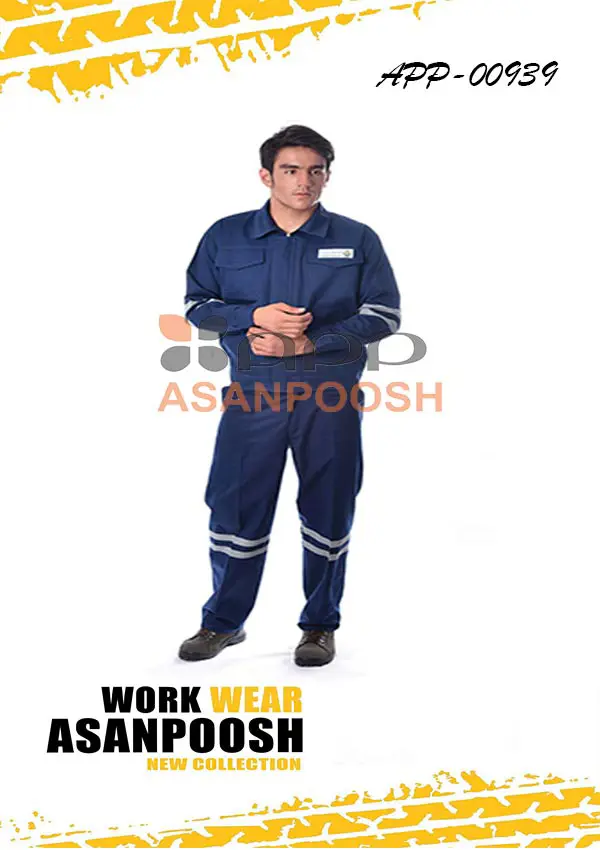
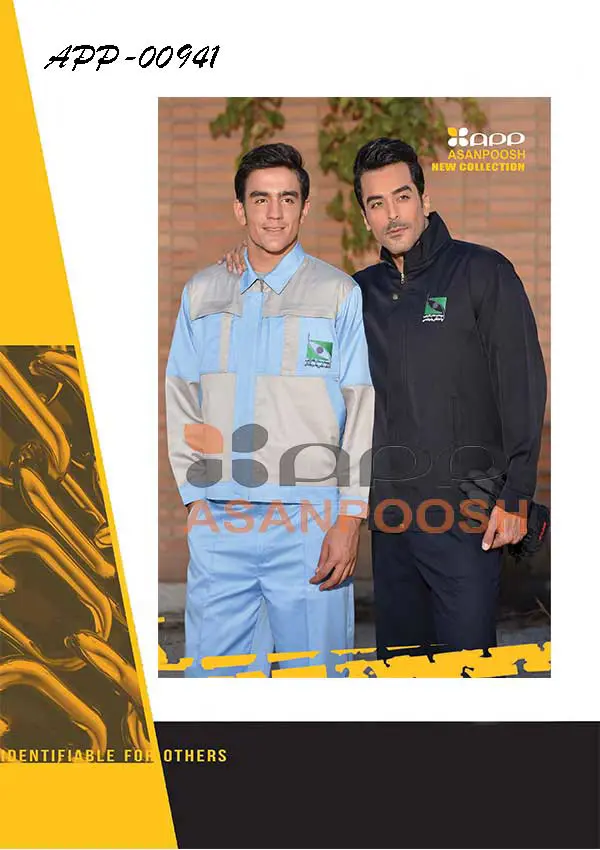
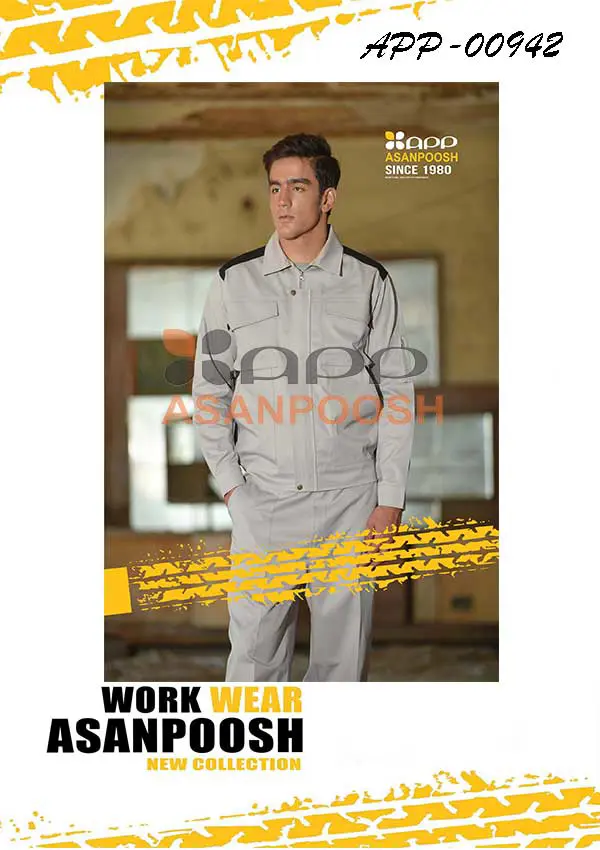
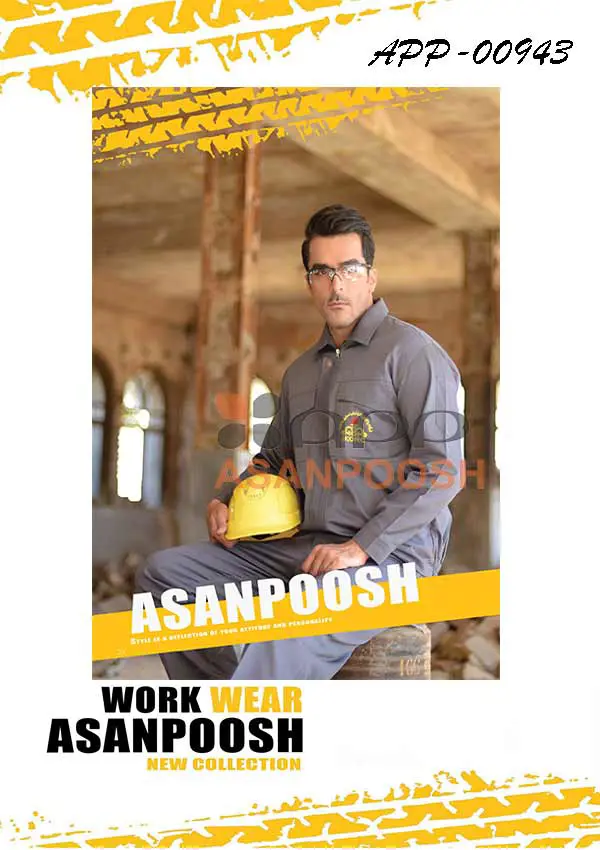
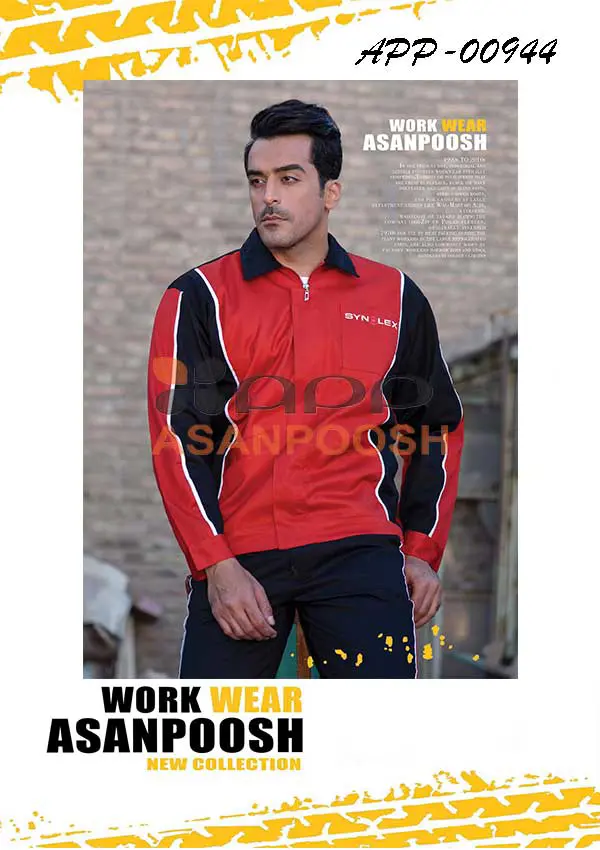
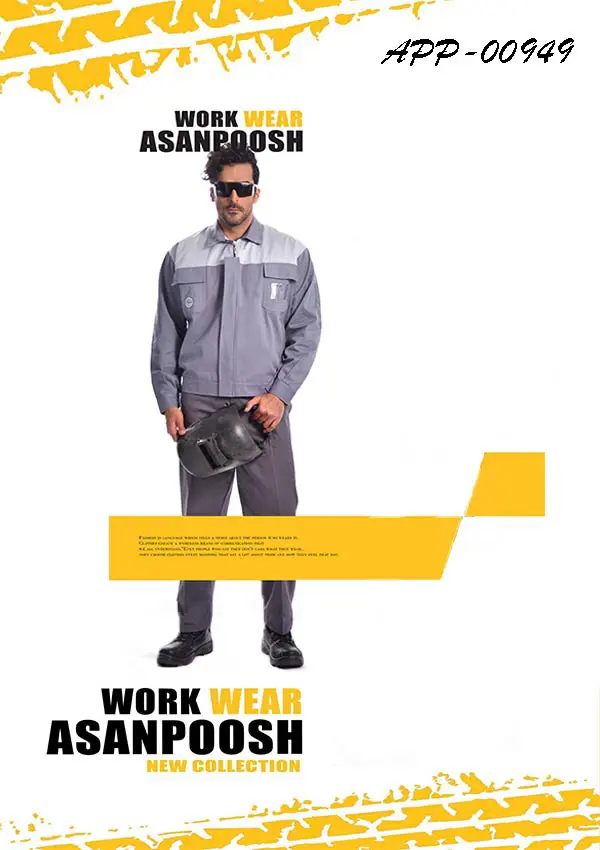
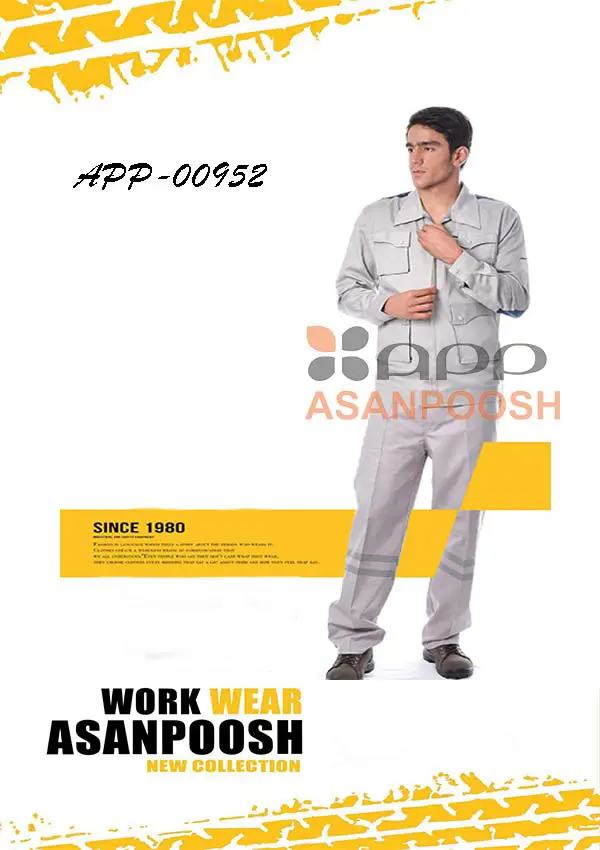
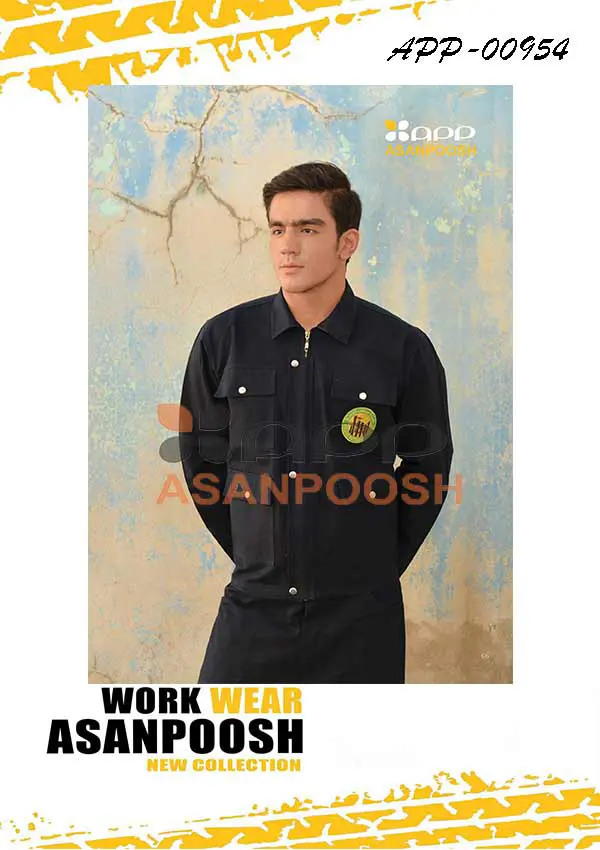
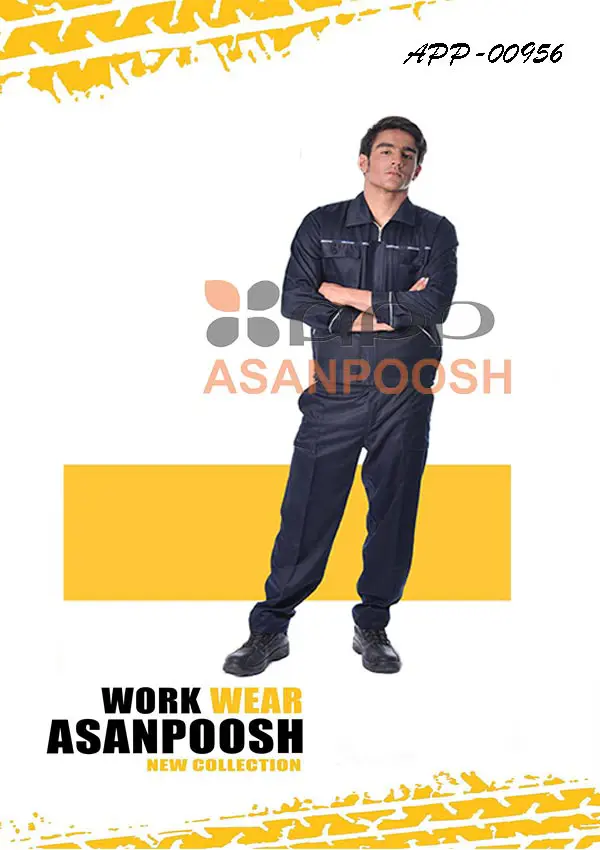
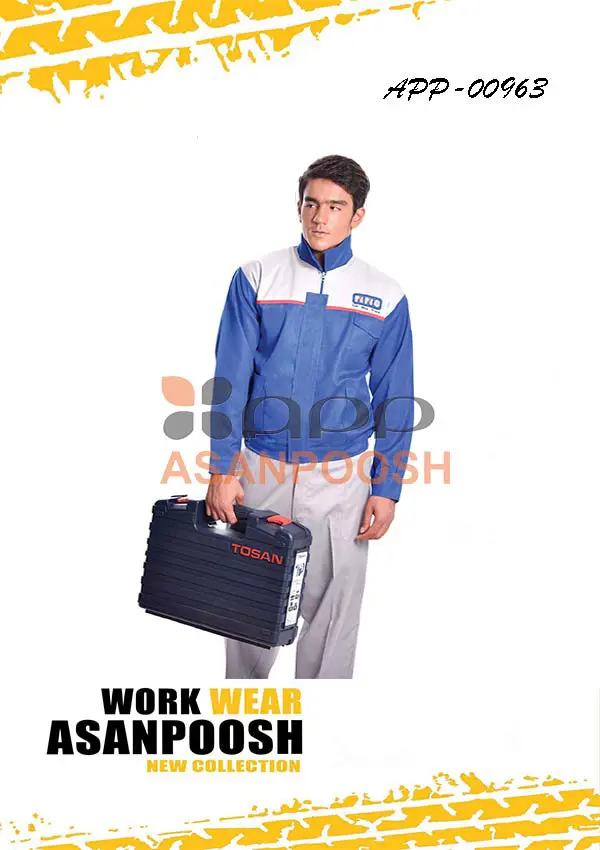
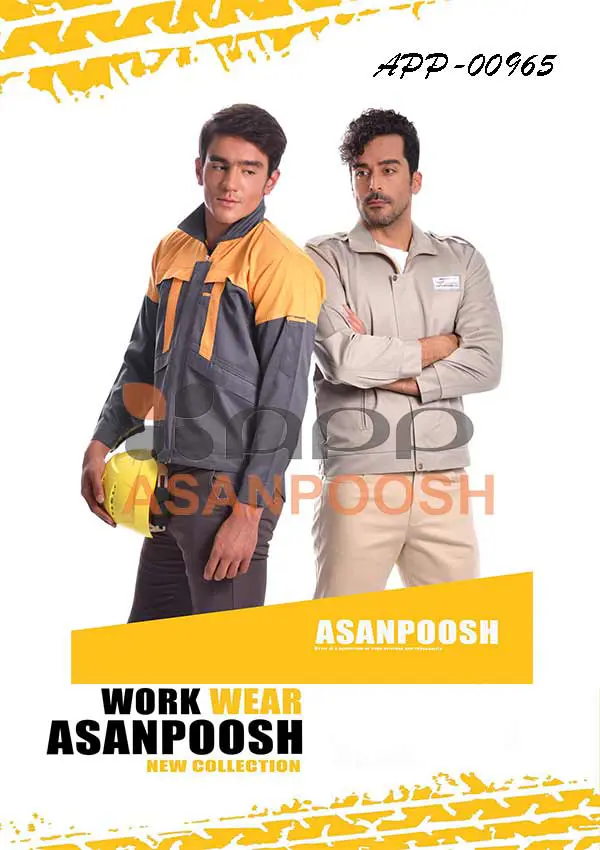
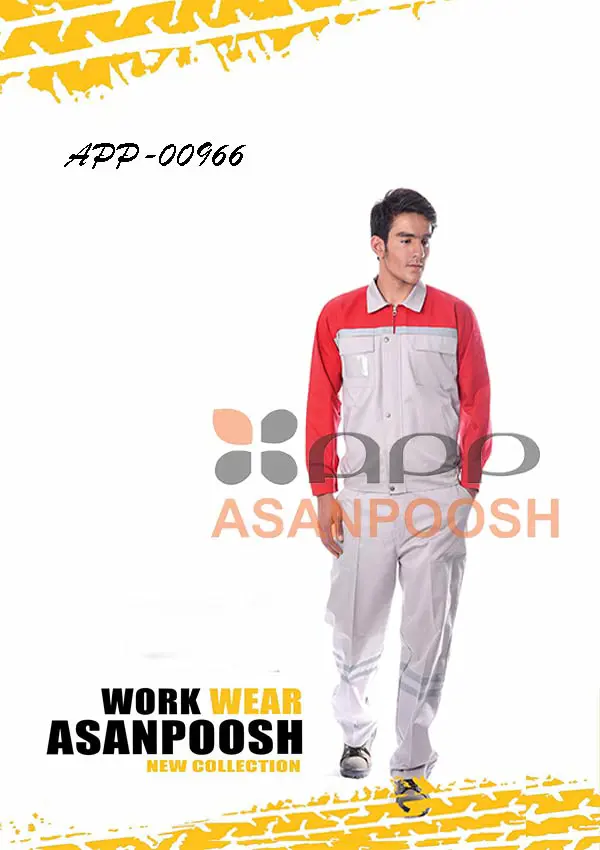
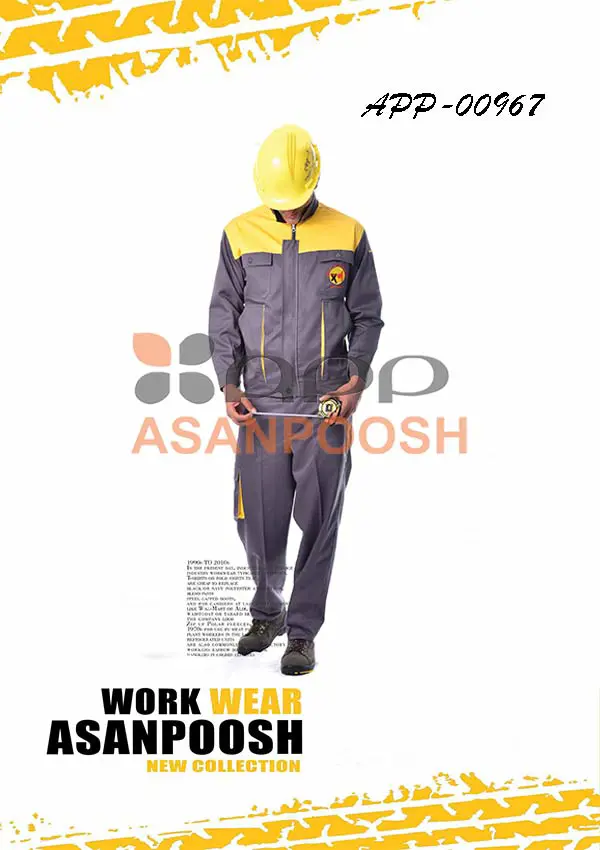
What are the features of work clothes?
Using work clothes in every department of the company and factory will help increase employee performance by providing comfort, protection and integrity. Wearing work clothes in industrial environments is more important than in other departments, because there is a possibility of injury to you and usually due to the type of job, the possibility of the personal clothes you are wearing getting dirty is higher. Two-piece work clothes come in different types and with different features. Work clothes can also be made of different materials depending on the type of job and work environment, but are generally made of cotton fabrics or in combination with polyester. These fabrics are used in different percentages and create different thicknesses. One of the fabrics most commonly used in the production of work clothes is 70:30 fabric.
The type of fabric and the amount of use, the type of sewing, and the characteristics of the fabric affect the price of work clothes. Features such as waterproofing, fireproofing, or anti-electricity can increase the cost of this type of clothing. One of the features that all work clothes must have is the breathability of the fabric, meaning that air can easily pass through the fabric to prevent the inside from heating up.
Tips for Buying Workwear
The first thing you should pay attention to when buying any type of clothing is the right size for you. A workwear that fits you can help you feel comfortable during work and increase your work efficiency; also, the right size and preventing workwear from being cumbersome will help you be more safe. Another important point is the quality of sewing workwear, which you should pay attention to when buying, because workers have a difficult job and require a lot of mobility and intensity, and for this reason, the sewing of these clothes should be in a way that does not tear or open easily. Having features such as large and many pockets and sections where work equipment can be hung can also help save the worker's time.
An important point that should not be overlooked when buying workwear is the characteristics of the fabric; considering the environment in which you work, you should choose clothes that protect you from possible dangers. Having features such as waterproofing, electrical insulation or chemicals can provide your safety in environments where you deal with these things. Paying attention to the weight of the worker's work clothes is also important when buying because the heavy weight of the clothes can tire the worker faster, the less weight of this type of clothing provides more comfort. The color of the worker's clothes should also be considered when buying because, depending on the conditions and work environment, it may be necessary to use reflective and fluorescent strips to maintain the worker's safety at night and in crowded environments.
How to maintain worker's clothes?
To increase the durability of all types of work clothes, it is recommended to always keep them clean and hang them properly when not in use; if your worker's clothes are constantly dirty, they may lose their properties or wear out faster. On the other hand, excessive and improper washing of worker's clothes can damage the fabric texture and cause it to wear out, so it is important to wash your clothes at the right time and in the right way. If your work clothes are machine washable, this will be listed on the inside label of the garment. The instructions on this label or the seller's instructions for maintaining and washing your work clothes are also very important to extend their lifespan.
It is best to replace your work clothes every six months, because these clothes are used for a long time and in difficult jobs, which causes them to wear out and reduce their efficiency; therefore, they may cause discomfort during use or even damage. If your work clothes have problems such as tears, holes, zipper damage and abrasion, be sure to solve these problems as soon as possible so that they do not become a bigger problem and you can use them for a longer time. Depending on the fabric, there are specific conditions for maintaining work clothes with different types of fabrics, for example, wool work clothes do not need to be washed as much as linen work clothes.

 Receiving information...