Get free shipping for purchases over 200,000 Tomans.
- ASANPOOSH WORK WEAR (Since 1980)
Get free shipping for purchases over 200,000 Tomans.
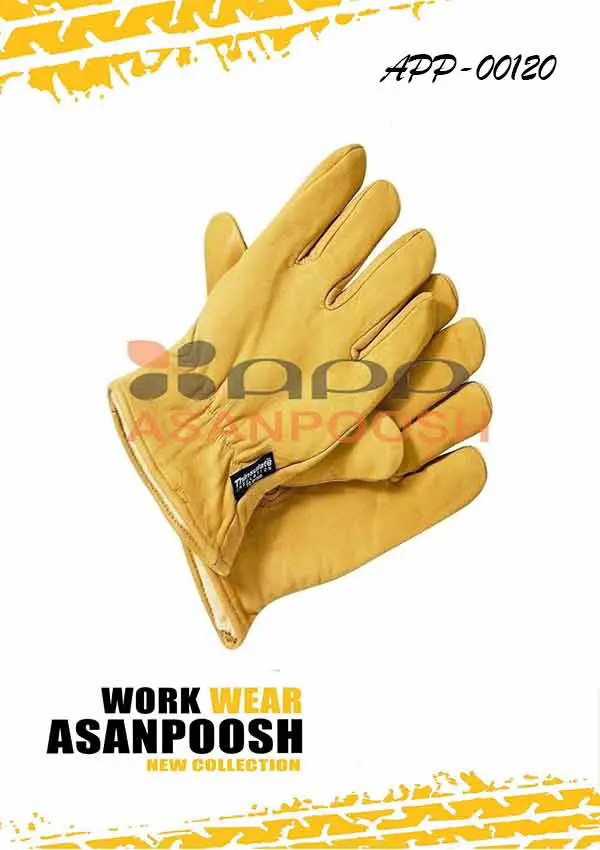
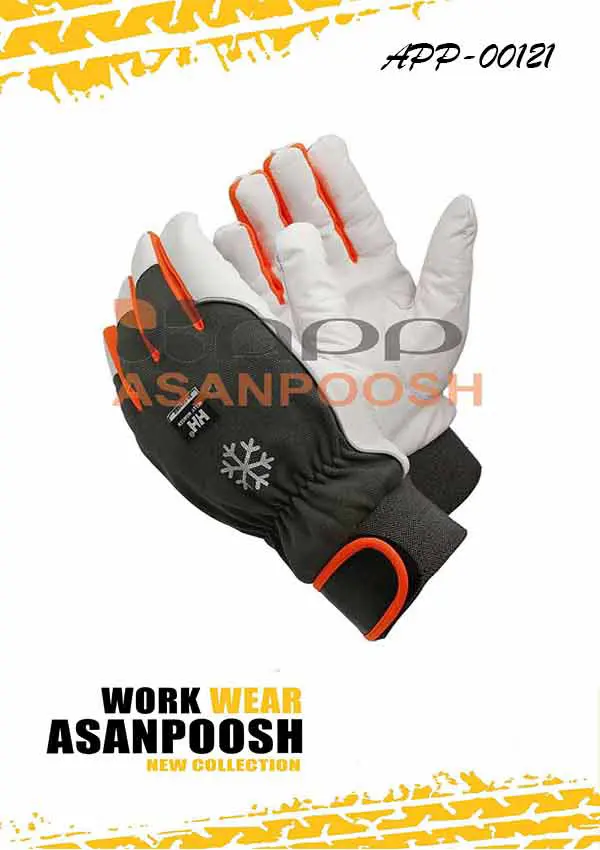
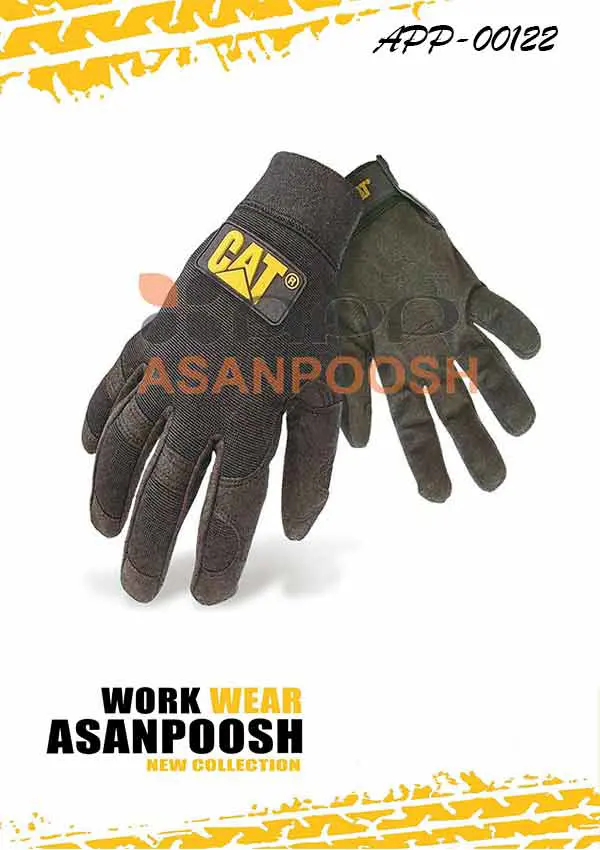
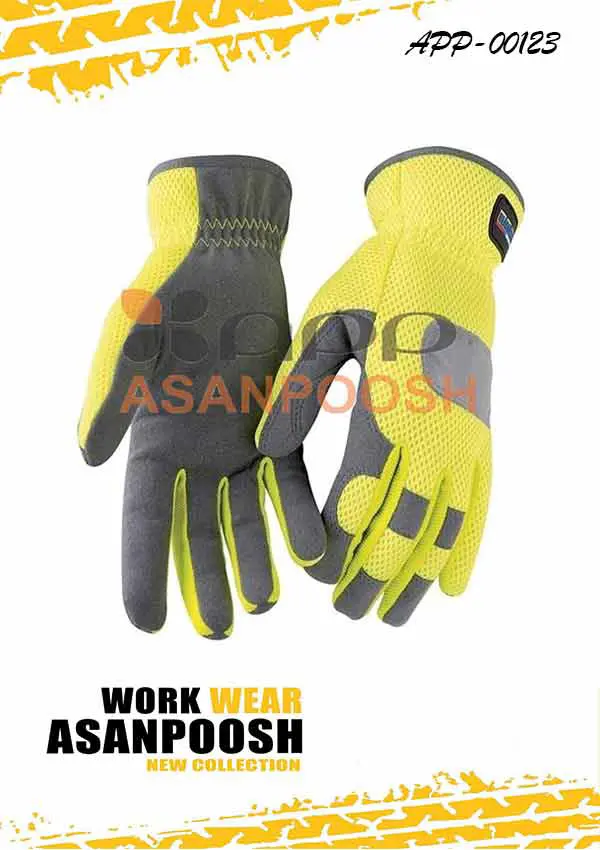
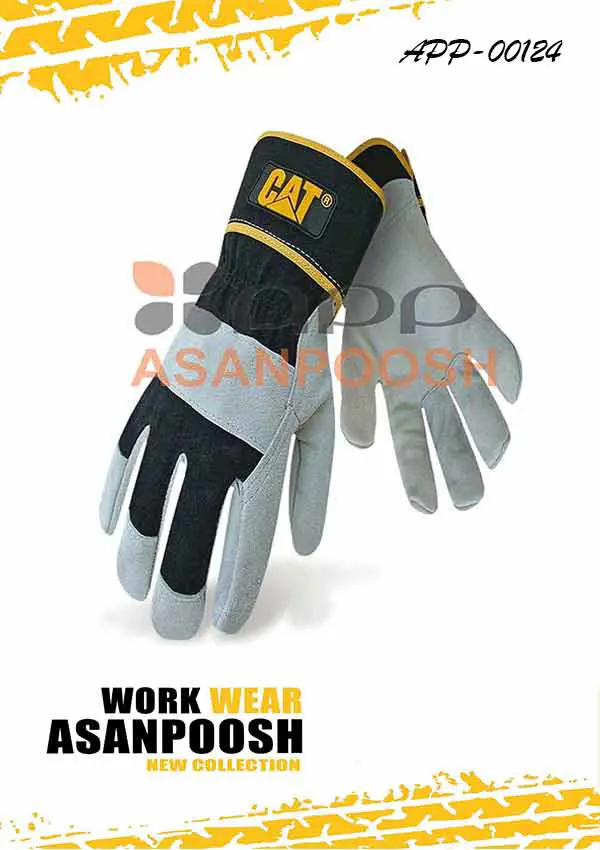
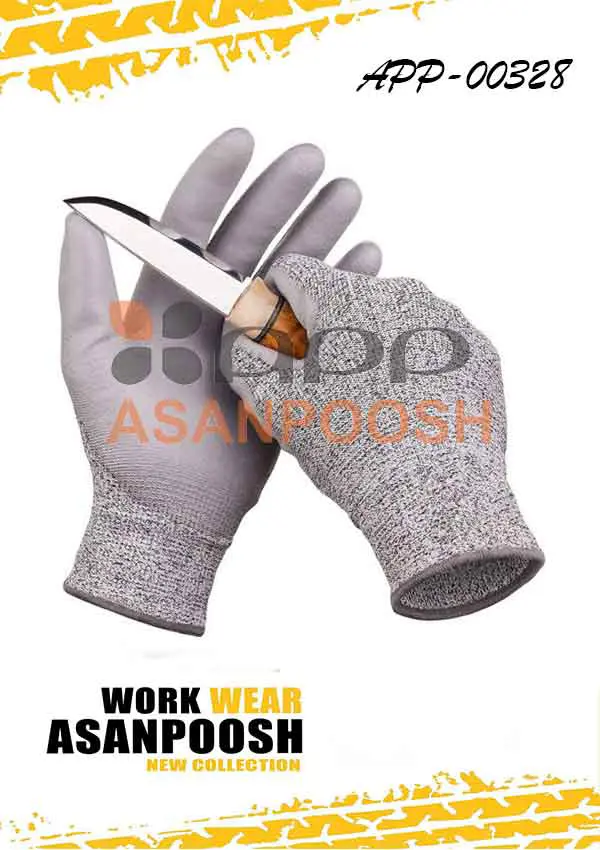
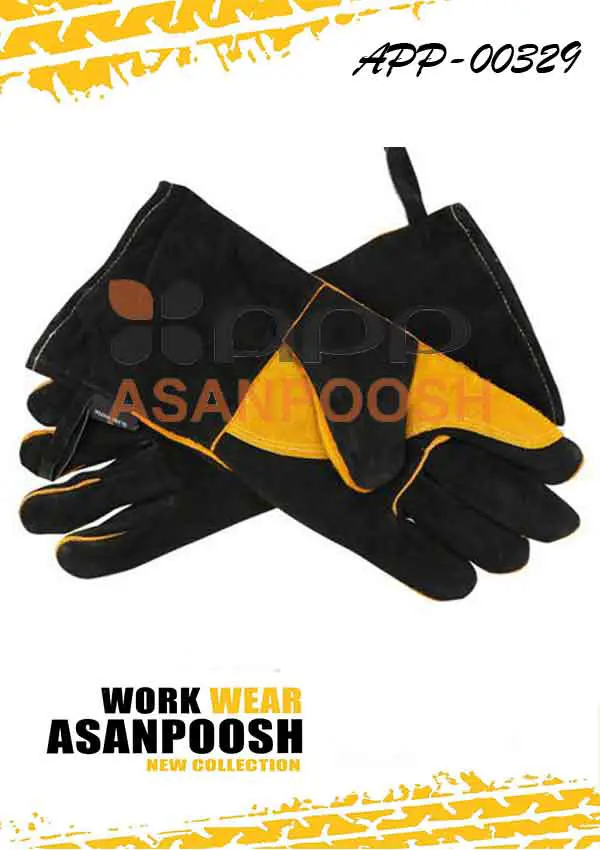
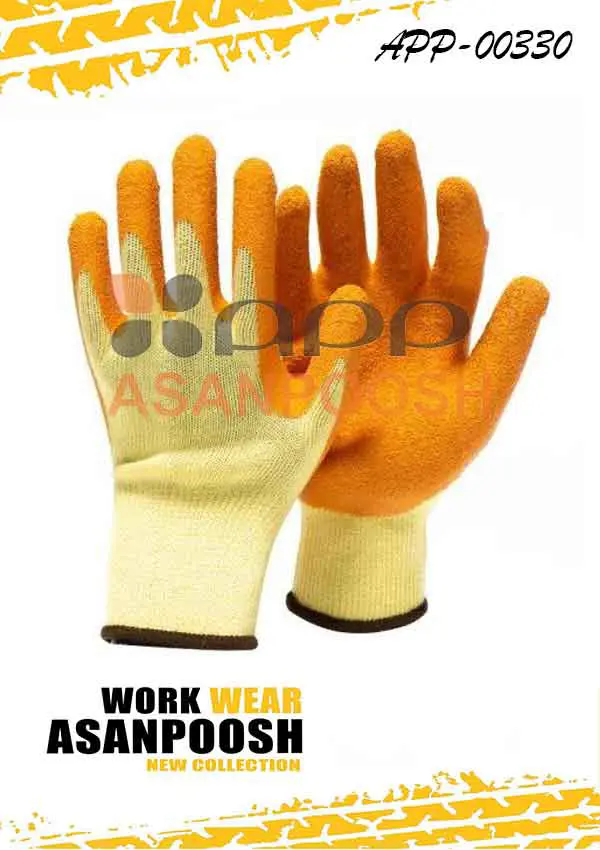
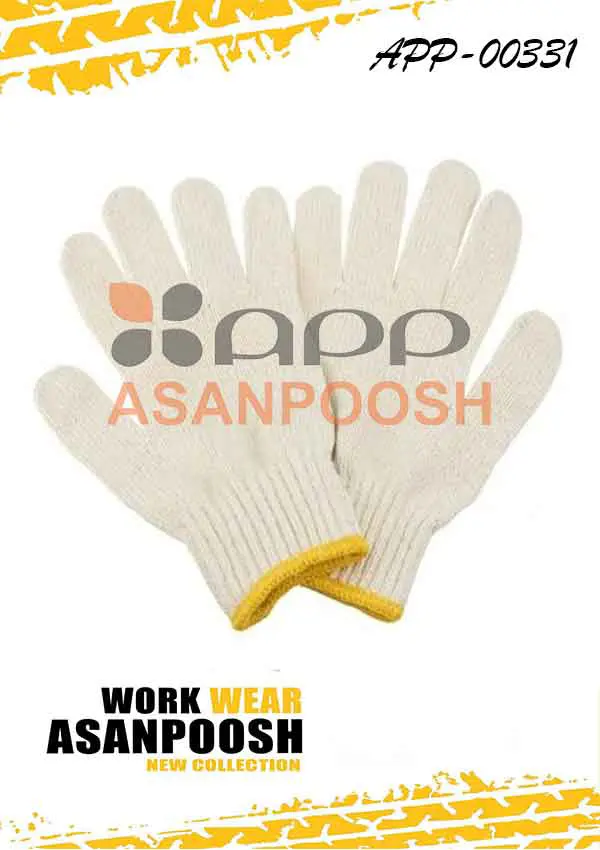
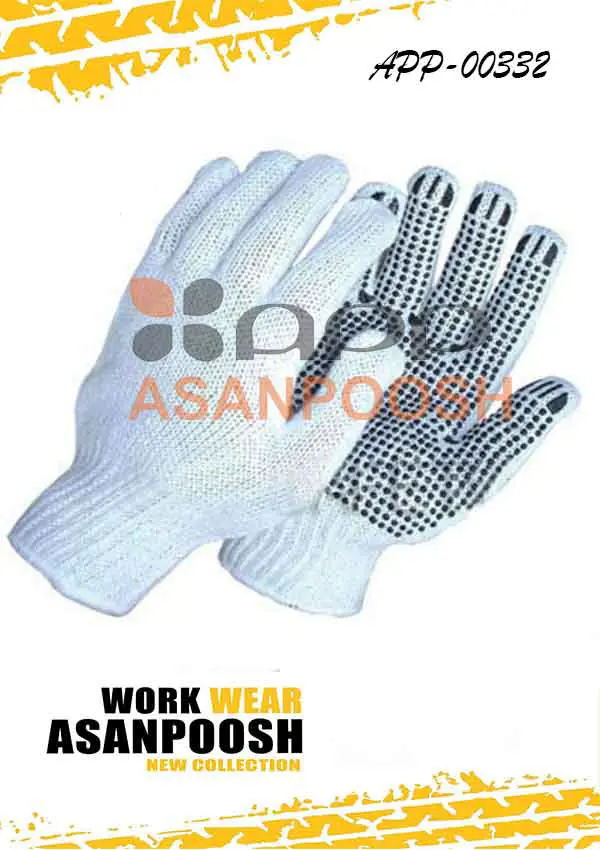
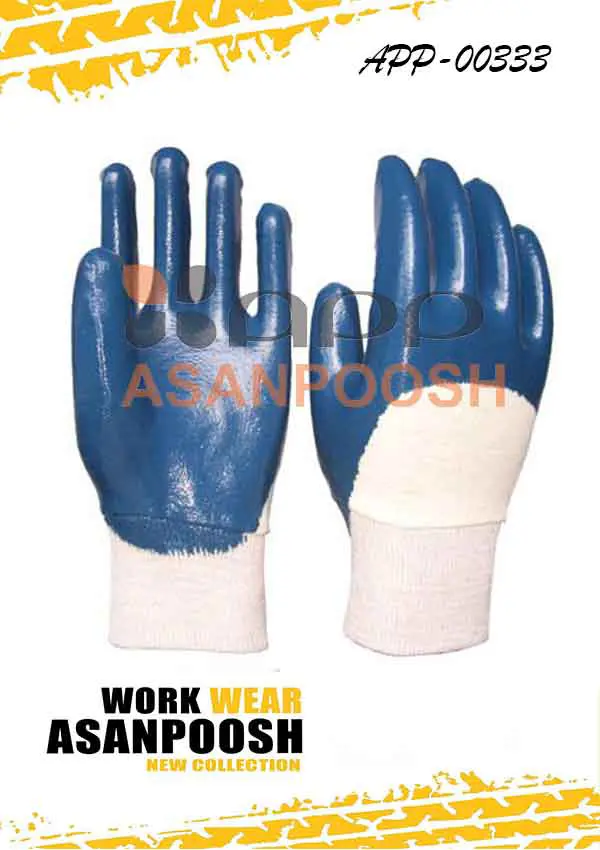
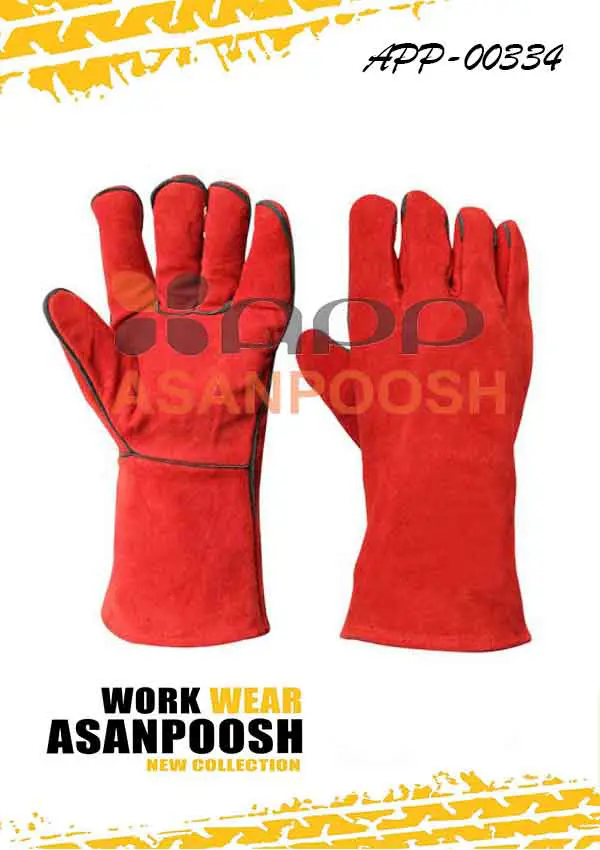
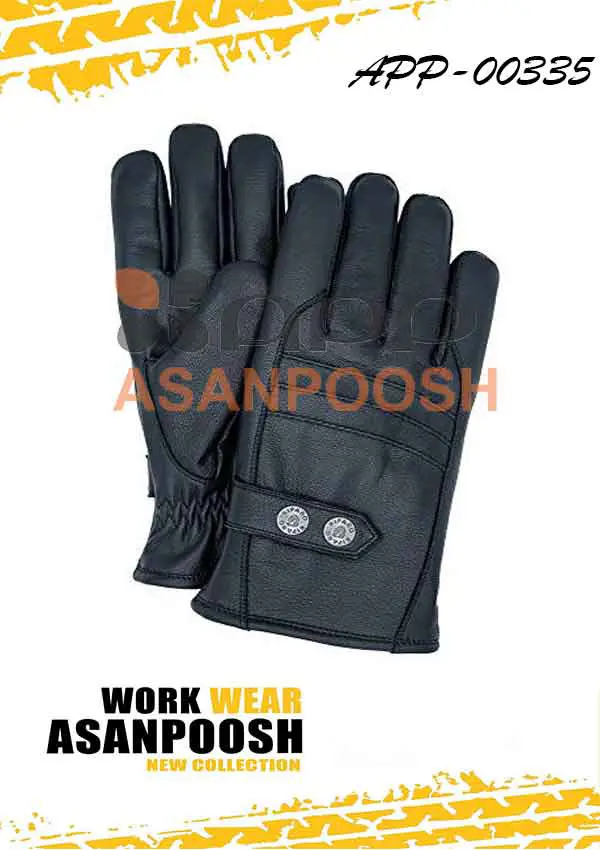
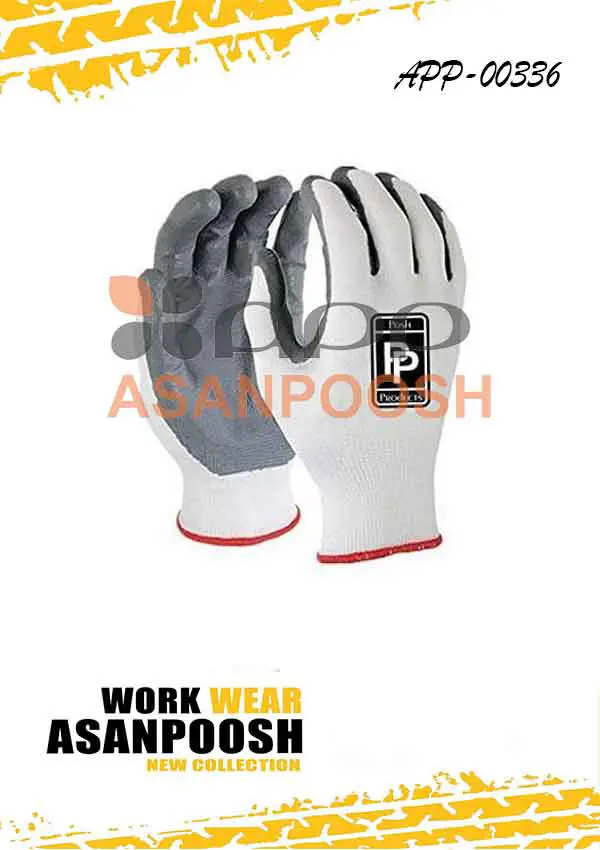
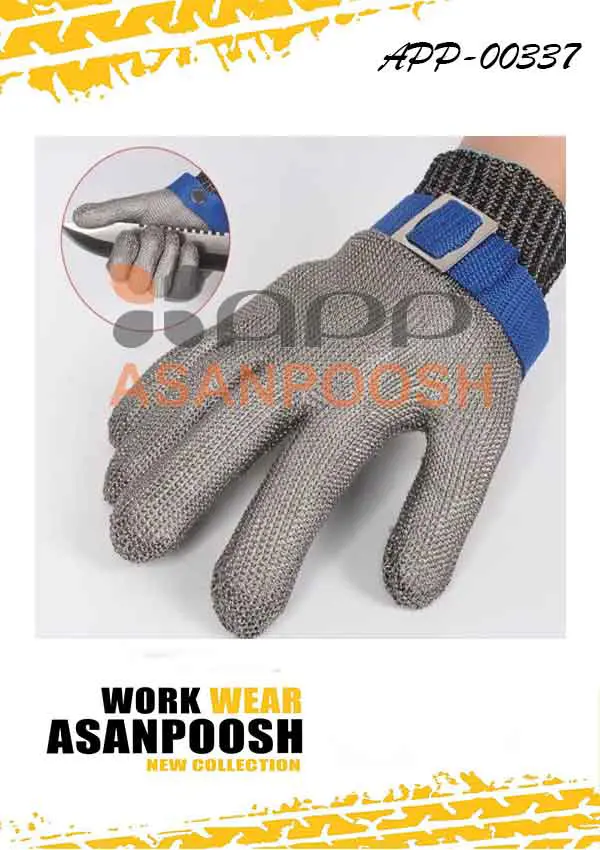
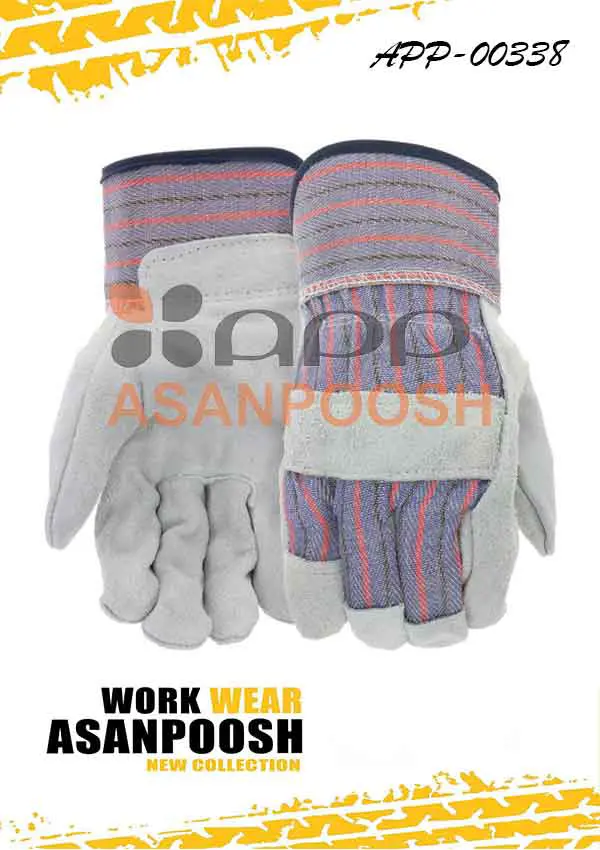
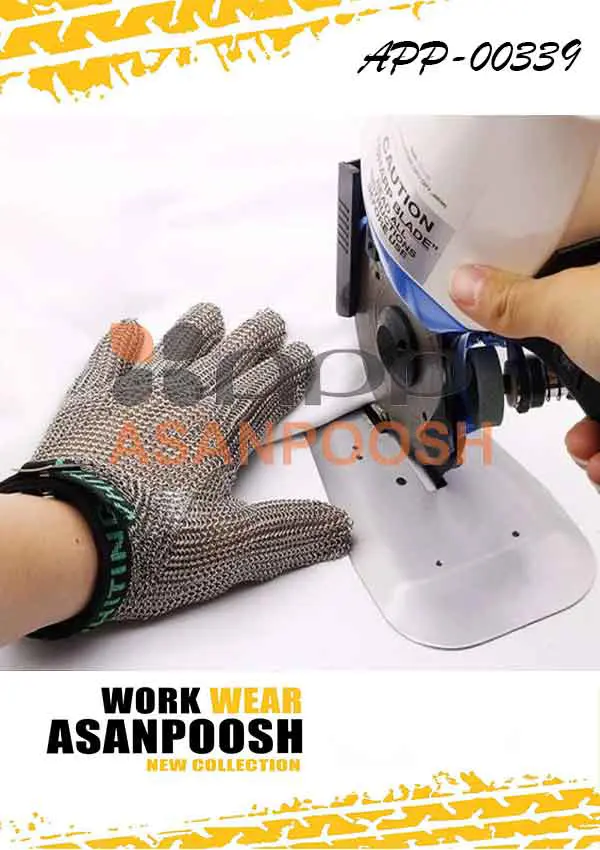
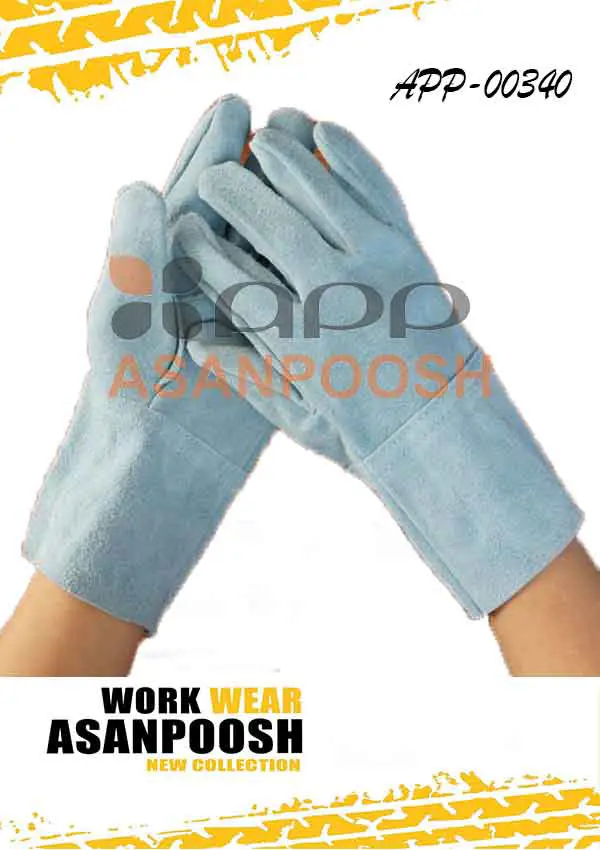
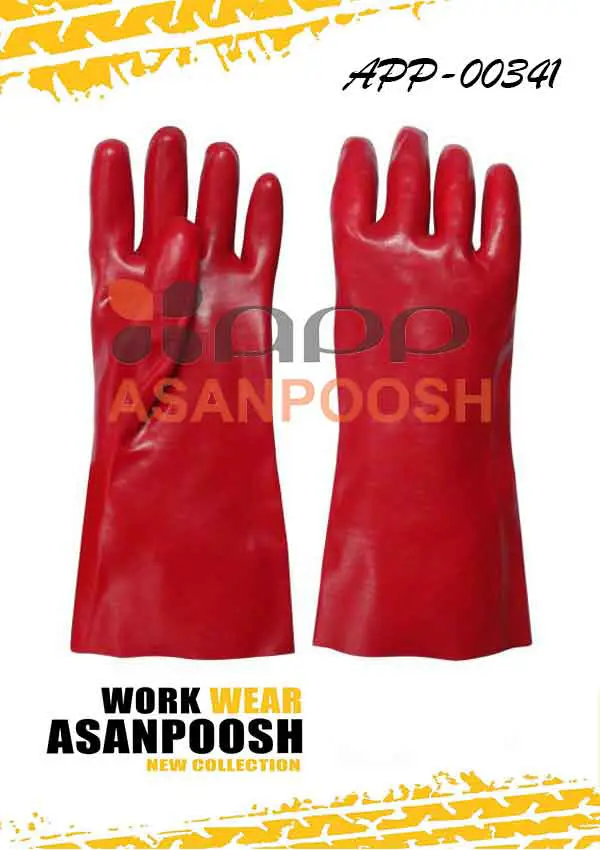
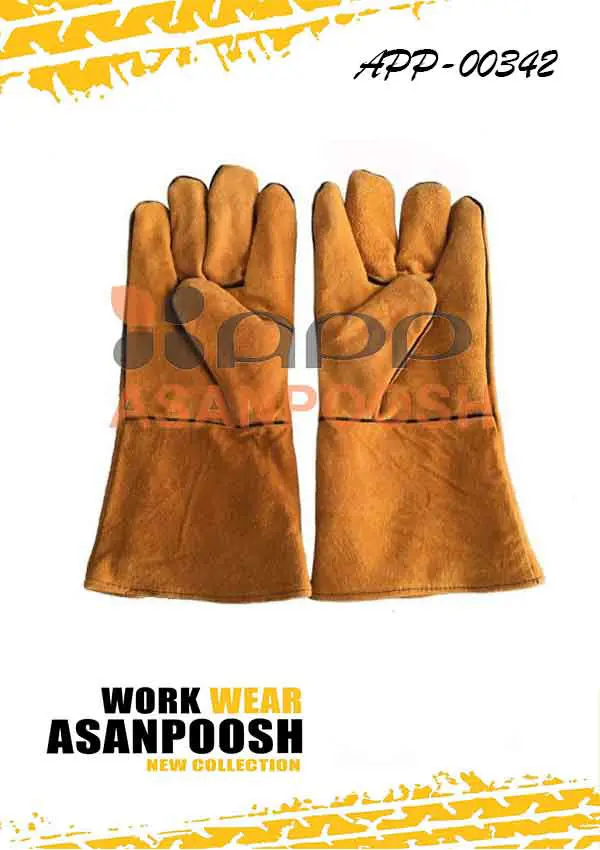
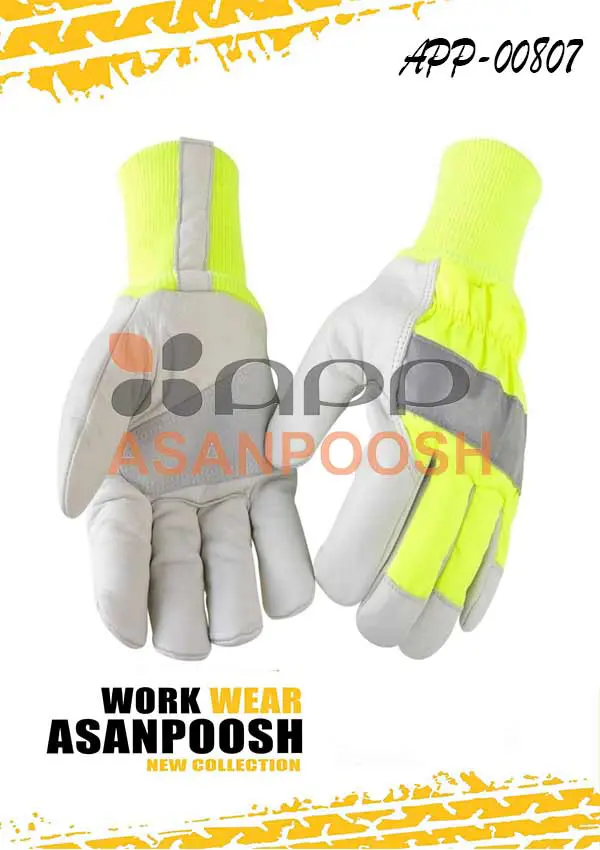
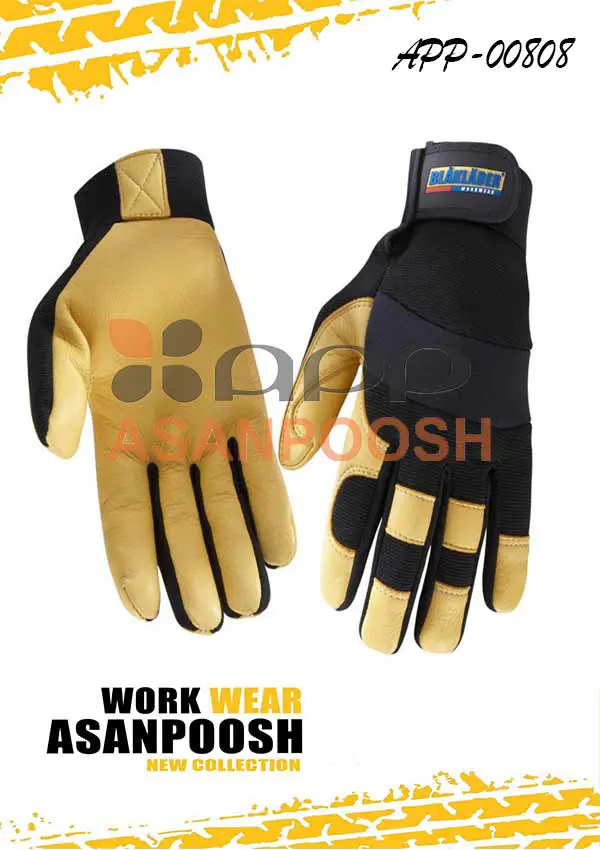
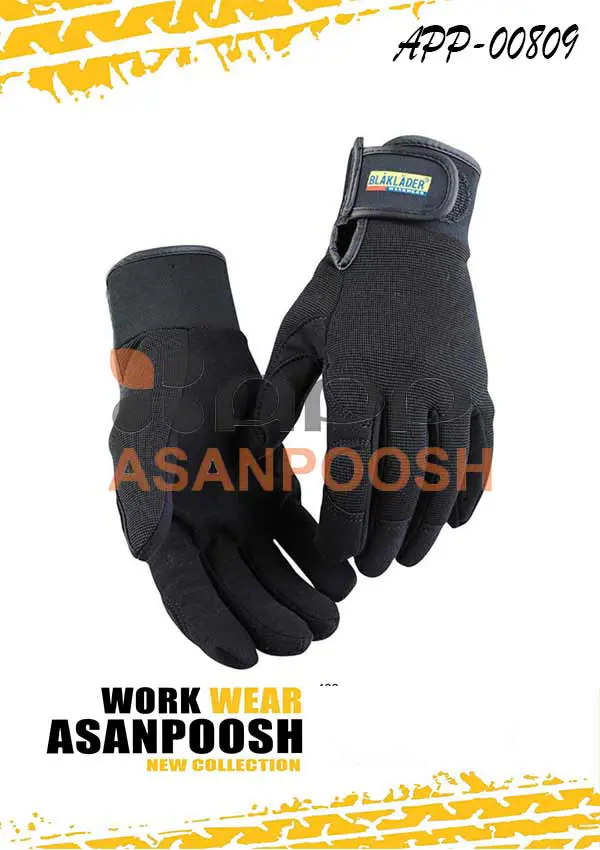
What comes to mind when you think of the first tool you use at work? For many people, the right answer to this question is safety gloves. It may not seem like much to you, but your hands do a lot of work throughout the day, and it can be very difficult to work without them or with injured hands. However, when it comes to buying your work clothes or personal protective equipment (PPE), sometimes safety gloves are not on the list.
You may not understand why it is so important to protect your hands, or what type of gloves are the right choice for you, because it is not just about wearing safety gloves, but also choosing the right safety gloves.
Why is it important to wear safety gloves?
Your hands are not only one of your most important tools, but they are also very complex tools that are not always easy to repair. If you suffer a serious injury to your hand, you may have to deal with complications for the rest of your life, such as loss of movement, dexterity, and ability to control it. But the good news is that many injuries that occur in the workplace can be prevented by wearing the right safety gloves. Safety glove technology has advanced and includes features such as cut and heat resistance, impact resistance, vibration resistance, and more.
It is also very important to wear safety gloves when working with hazardous chemicals and other materials because it protects your hands from infection and contamination. Protective gloves should be selected based on the hazards involved.
✓ Nitrile safety gloves protect hands from most chemicals and infectious agents.
✓ Rubber gloves protect against mild corrosives.
✓ Neoprene safety gloves protect hands from most solvents, oils, and mild corrosives.
✓ Avoid using latex gloves on a regular basis as many people are sensitive or allergic to this material.
When to wear safety gloves and when not to wear them?
You should wear safety gloves if your hands come into contact with:
• Infectious substances
• Radioactive substances
• Chemicals
When should you not wear safety gloves?
• Do not wear safety gloves when touching common surfaces such as telephones, computers, doorknobs, and elevator buttons or when they may be touched by others without gloves.
• Do not wear safety gloves outside the laboratory. When transporting hazardous materials between laboratories, use secondary containers that can be transported without gloves.
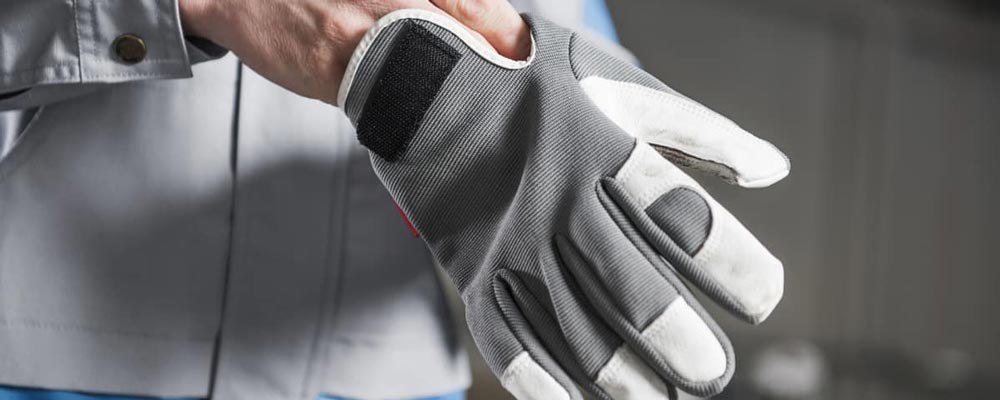
What hazards do safety gloves protect against?
1- Chemicals and Biohazards: Workers who deal with chemicals or biohazards can get burned or infected with chemicals with just a touch, so they need gloves that create a complete barrier around their hands. For work near chemical mixtures or tasks where there are multiple hazards, you need to use safety gloves that have the highest chemical resistance or, in some cases, a combination of glove types.
2- Cuts, Punctures and Abrasion Risks: These types of hazards are relatively common in technical and industrial work environments, which is why industrial workwear and personal protective equipment are manufactured to be resistant to these hazards. To combat these hazards, safety gloves must be able to protect your hands from things like abrasive surfaces, wood and metal scratches, and cut injuries, while still offering a high level of dexterity and tactile sensitivity. Suitable materials for cut and puncture protection in safety gloves include leather, canvas, cotton, cotton blends or other synthetic materials. Often, additional protection is added by using different coatings on parts of the safety gloves or by covering the gloves with anti-vibration or shock-absorbing gels or pads.
3- Impact Injuries: If your job involves using heavy tools like hammers or lifting heavy objects, you need some type of safety glove that protects against impact injuries. In any job where there is a possibility of impact to the hands, using safety and impact-resistant work gloves is a must. Impact-resistant safety gloves have a layered outer shell that is strategically placed on the areas of the hands where there is a higher chance of impact.
4. Extreme Weather: If you work in outdoor environments, you need workwear with a thermal barrier to protect you from injury and retain your body heat. Of course, protecting your body and hands from extreme cold is just as important as protecting them from extreme heat; cold temperatures can cause temporary or permanent damage to skin and muscle tissue, and the colder it is, the more protection you need. Safety gloves made to protect your hands from cold temperatures are often made of materials such as PVC, nitrile, animal skin, or Thinsulat.
5- Electrical hazards: These hazards exist in many occupations such as welding, glass manufacturing, petrochemical plants, oil fields, and natural gas industries. Safety clothing, gloves, and footwear that protect against these hazards create a barrier that prevents heat and electrical energy from reaching the skin. Depending on the temperature, type of heat, and other factors affecting the transfer of electricity, different materials such as terry cloth or neoprene are used in the production of safety gloves.
6. Continuous Vibrations: Continuous vibration can irritate nerves, damage blood vessels, cause long-term joint and muscle pain, and in severe cases, even lead to permanent nerve damage like neuropathy. You might think that when using tools that create significant vibrations, like a chainsaw or hammer, you only need gloves to help absorb the vibrations; but in fact, you should wear safety gloves even for lower levels of vibrations found in tools like a sander or grinder.
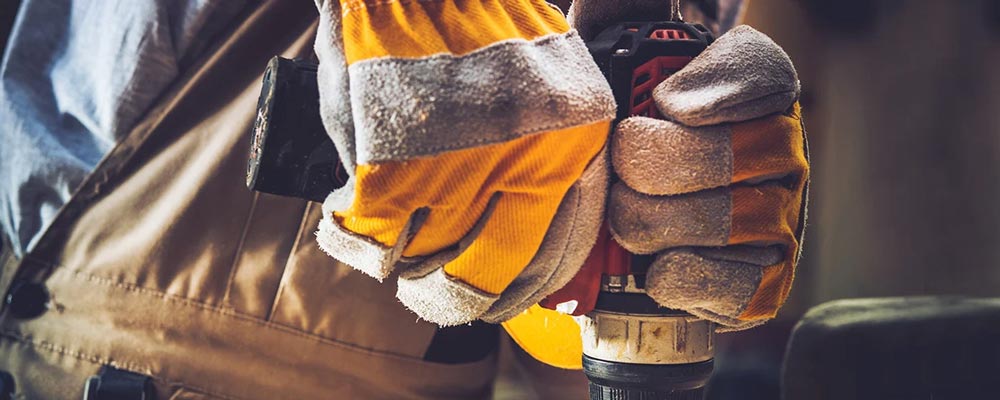
Choosing the right type of safety gloves
Keeping your hands safe isn’t just about wearing whatever gloves you can find, it’s important to use the right gloves for your job. There is no one type of safety glove that will protect against all hazards, and each individual should check to see if there are any regulations regarding hand protection for the work they do, but in general, employers are required to conduct a risk assessment to ensure that they provide their employees with the right safety gloves. According to the Canadian Centre for Occupational Health and Safety (CCOHS), the following steps can help you conduct a risk assessment of your job and consider whether you are using the right types of safety gloves for your job.
✓ Take time to think about your tasks and work environments to create a detailed description of your daily work.
✓ Identify all the hazards you may need to protect your hands from, this should include any chemicals you come into contact with as well as physical hazards such as abrasion, tearing, puncture, fire, temperature or biological hazards.
✓ Determine the level of flexibility and tactile sensitivity you need to perform your tasks safely and effectively. This will influence your choice of the thickness of the safety glove material.
✓ Consider the type of contact you will have with the hazards you have identified, as this will influence your choice of appropriate glove length, as well as the type and thickness of glove material and whether you need lined gloves.
✓ Consider any hazards that may be posed by the safety gloves themselves, in relation to other PPE requirements, for example, heat stress, reduced dexterity, tearing or tactile functions, poor comfort or contributing to skin conditions. Having a pair of safety gloves that fit well, are comfortable and easy to put on is as important as the protection they provide.
✓ Consider any disinfection procedures that need to be followed; do gloves need to be discarded or cleaned after use? Consider the cleaning method, how often they should be cleaned, and any special procedures needed to dispose of disinfection wash waste.
Remember, choosing the right safety gloves isn't just about safety features; make sure you choose gloves that are comfortable.

 Receiving information...