Get free shipping for purchases over 200,000 Tomans.
- ASANPOOSH WORK WEAR (Since 1980)
Get free shipping for purchases over 200,000 Tomans.
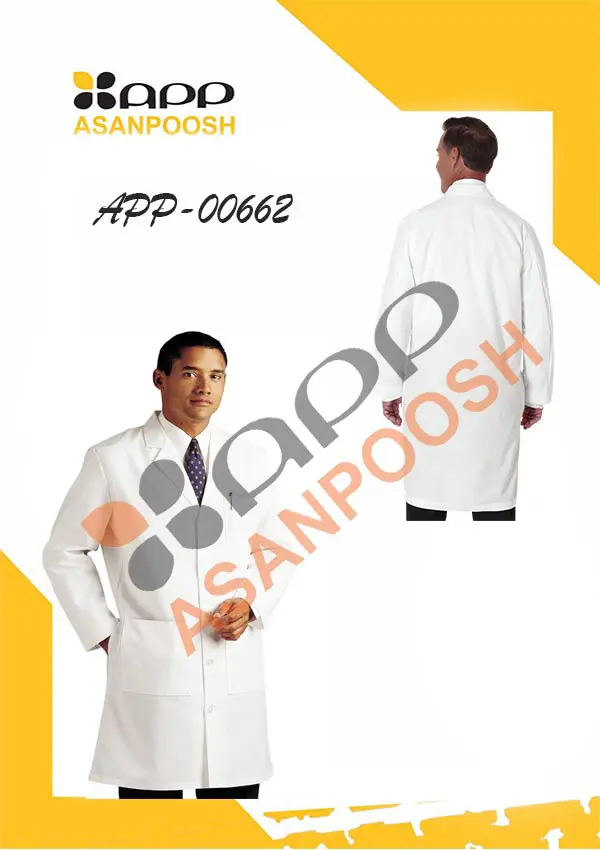
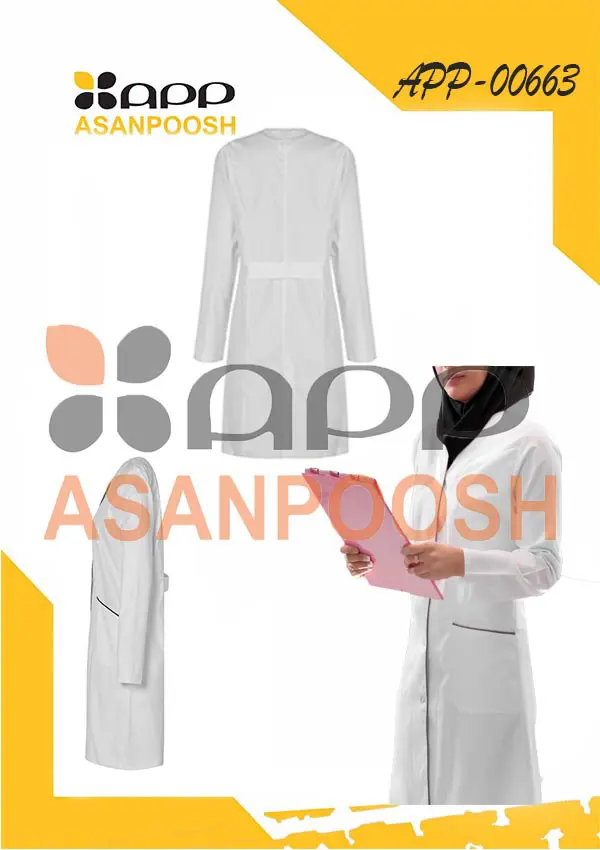

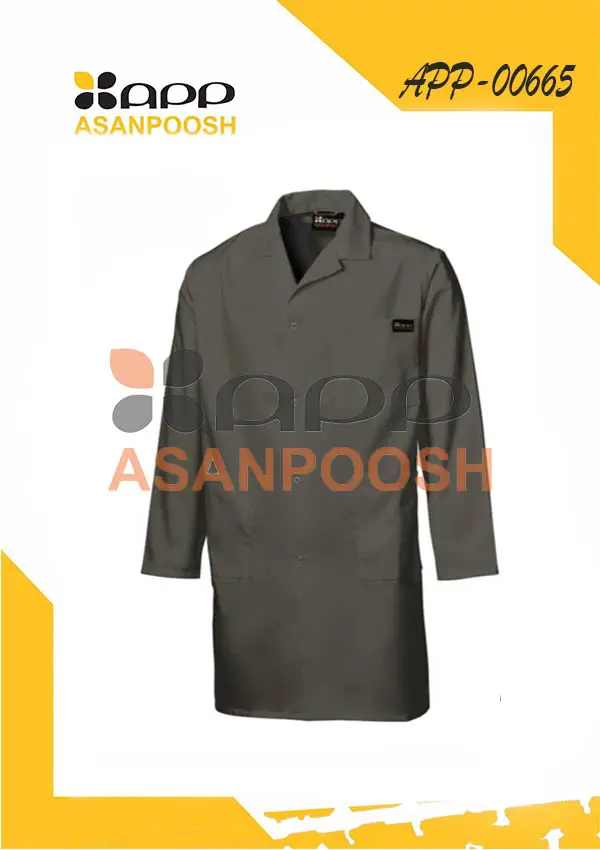


Medical gown
Medical gowns are typically used to protect professionals' clothing and prevent any cross-contamination, and some are manufactured as disposables due to the environment of use. Spunbond-meltblown-spunbond (SMS) materials are multi-layered fabrics commonly used in medical gowns, face masks, and disinfectant wipes; some types of medical gowns are also made using polyethylene, a very useful plastic.
Another advantage of using medical gowns is that they help patients distinguish between doctors and nurses, who can easily refer to a doctor or nurse based on the color and type of these gowns. Some people mistakenly consider patient gowns as medical gowns; however, unlike medical gowns worn by professionals, patient gowns are not designed for protection, but rather for proper access to the patient during an examination or procedure.
Types of medical gowns
Medical gowns can prevent the wearer from transmitting infectious pathogens that can put patients at risk. As a result, PPE medical gowns play an important role in infection control and should always be included as workwear in a hospital’s workplace safety strategy. In a healthcare setting, popular types of medical gowns include isolation gowns at various levels, sterile surgical gowns, and many others. The most common classifications of medical gown types are:
✓ Sterile medical gown
Doctors, their assistants, and nurses in hospital settings often wear sterile gowns to protect their bodies and clothing from the transfer of fluids and microbes in the surgical environment. Sterile medical gowns typically have long sleeves, fitted cuffs, and a full coverage from the neck to the knees made of durable, multi-layered materials. Designed to create a sterile barrier between surgical personnel and the surrounding environment, sterile gowns are commonly worn during procedures involving exposure to body fluids.
The sterile isolation medical gown has several features that enhance its protective capabilities. The composite multi-layer fabric helps create a barrier against viruses, bacteria, and potentially infectious pathogens; each layer is reinforced with anti-static, fluid-repellent, and flame-retardant layers for added protection. With its disposable design, the sterile medical gown can be used once. Ultrasonic technology in the arm and cuff, as well as the comfortable rolled mesh material, ensures that the garment is comfortable to wear all day long.
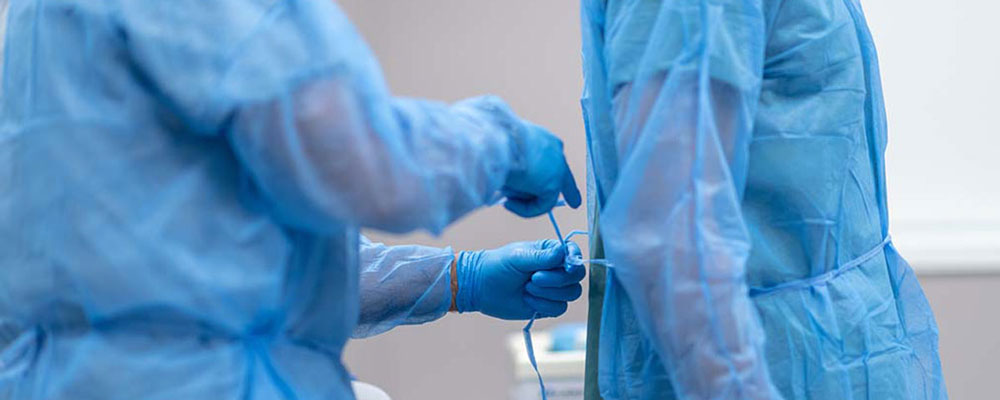
✓ Non-sterile gowns
Non-sterile medical gowns are a valuable form of PPE for any healthcare facility. Designed to keep hospital staff safe while treating patients in routine, non-surgical environments, non-sterile medical gowns provide effective fluid resistance. Non-sterile medical gowns also offer incredible durability and added protection in healthcare environments, where they are commonly worn by visitors and patients as well as staff during routine care procedures. Non-sterile gowns offer a variety of features including fluid-resistant fabric, ultrasonic shielding technology, and multi-layered PP and PE fabrics.
✓ Closed-back medical gown
The closed-back medical gown offers maximum protection and coverage from the neck to the knees for increased workplace safety, closed-back garments form an impenetrable barrier, preventing you from coming into contact with pathogens and blood-borne bacteria. Closed-back medical gowns offer a variety of benefits for medical professionals in any environment; each closed-back isolation gown, made from a combination of durable materials in multiple layers, is designed for optimal protection.
✓ Open-back medical gown
Open-back medical gowns are an ideal PPE option for low-risk medical environments, they provide a simple yet effective layer of protection and help prevent people from coming into contact with splashes of liquids and sprays.
The open-back medical gowns with long sleeves with elastic thumb loop cuffs are designed for a secure and comfortable fit; the front of each garment provides full coverage for the upper body, while the open-back design makes the garments easy to put on and take off. The flexible fit ensures that doctors, patients, and attendants can comfortably wear the garment for as long as they need.
Each open back medical gown is latex-free and designed with impermeable thermoplastic materials for excellent fluid repellency, thermal or ultrasonic stitching ensures that each open back medical gown can withstand even the toughest work environments.
✓ Isolation medical gown
The FDA-approved isolation gown helps prevent cross-contamination and protects the wearer from contact with infectious diseases, blood-borne pathogens, and hazardous fluids. The use of appropriate isolation gowns in hospital settings, such as the emergency room or intensive care unit, is essential to protect doctors and nurses from respiratory droplets and prevent the spread of bacteria. The isolation gown includes several features that provide unique benefits to the wearer:
• Ultrasonic technology for increased tear and flame resistance
• Elastic cuffs for added protection and comfort
• Lightweight, breathable fabric for better temperature regulation and comfort
• Increased resistance to fluids, alcohol, blood and static
• Durable PP and PE fabric for continuous protection throughout the day
• Latex-free material to protect wearers with latex allergies
✓ Surgical gown
Surgical gowns are an important form of personal protective equipment used by healthcare workers. Specifically designed for protection during surgery, these types of medical gowns provide a highly resistant barrier to keep surgeons and their assistants safe from potentially dangerous pathogens. In order for a medical gown to be considered a surgical garment, it must be approved by the Department of Health as a Class II medical device.
Surgical gowns, considered personal protective clothing, are worn by healthcare professionals during surgical procedures to protect staff and patients. Surgical gowns include a variety of features designed to keep the wearer clean without compromising comfort, including:
• Ultrasonic Technology: Ultrasonic technology included in each medical gown increases tear resistance and flame retardancy for greater safety.
 Receiving information...