Get free shipping for purchases over 200,000 Tomans.
- ASANPOOSH WORK WEAR (Since 1980)
Get free shipping for purchases over 200,000 Tomans.
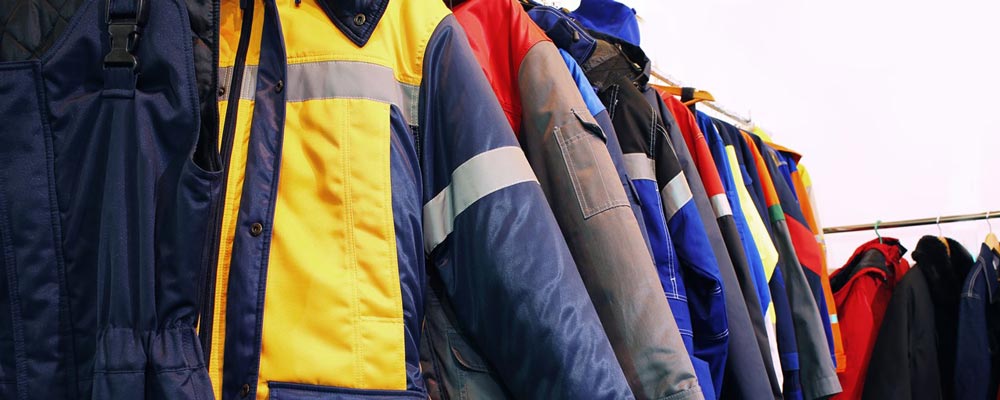
As winter approaches, making sure you have the right workwear, from coats to shoes, even bags and other accessories, is more essential than ever. Choosing the right winter workwear often increases worker safety, especially when working outdoors. Dressing for the weather is an important part of working life, especially when adverse conditions can affect your job. Winter workwear encompasses a wide range of cold-weather clothing and accessories to prioritize comfort, warmth and practicality throughout the workday.
Winter Workwear
Sweating from the heat or suffering from the cold are distractions that can certainly cause us to lose focus on the task at hand, and for some jobs, a small distraction can be dangerous. That is why it is important to understand that workwear should not only be safe, but also comfortable enough to ensure that we work without discomfort. The clothes we wear at work are, in many cases, also personal protective equipment (PPE) and should be considered as such; this means that you should pay attention not only to the workwear you choose, but also to how you use it.
Furthermore, you should understand that there is no such thing as a generic workwear and that there are clothes for every type of work, especially for every environmental condition. Working outdoors and in winter requires special winter workwear, which is certainly very different from that of those who work in a workshop. This does not necessarily mean that the workwear worn by those who work outdoors and in cold weather should be warmer and heavier; the type of work may be such that there is constant movement and an increase in the worker’s body temperature, which means that worker will need lighter and more breathable workwear than workshop workers.
What is the importance of winter workwear fabric?
As mentioned, working outdoors is challenging and becomes even more difficult when the weather gets cold or snowy; choosing the right winter workwear becomes even more important in such conditions. There are many choices when it comes to winter workwear fabric, but most people tend to focus on the style and comfort of the garment; some may pay more attention to their comfort, such as being able to move around freely. While it is not wrong to consider these factors, there is one thing that should not be overlooked: the fabric of the workwear. Choosing the right winter workwear fabric can bring many benefits, including:
• Low levels of fatigue
• Better productivity
• Longer durability of winter workwear
• Wearability for all skin types, including sensitive skin
• Reduced injuries
• Improved safety with workwear
Workwear requirements can be manufactured with the right fabric, these requirements usually depend on the industry and sometimes the workplace. Certain occupations require workers to wear clothing that meets safety standards, such as fire-retardant or moisture-wicking features. Winter workwear should not be heavy, bulky, or cumbersome, and should not interfere with the worker’s ability to walk or perform their duties; the problem is that it is often difficult to find quality, waterproof, durable workwear that provides additional weather protection without adding weight.

Layering Workwear in Winter
Wearing a bulky garment to stay warm in cold winter weather is actually ineffective, which is why the layering method is preferred. When layering workwear is done correctly, even wearing multiple layers will not restrict a worker’s movement. Layering winter workwear provides the ideal insulation to keep you warm, and it also allows you to add or remove layers depending on the weather and your activity level. As your inner layer, try to use wool, silk or synthetic materials to keep moisture away from your body, these fabrics also retain body heat better than cotton.
Protective clothing such as a jacket should be worn to keep warm, the best materials for the outer layer of workwear are fleece and synthetic fibers. Choosing cotton winter workwear is not a good option, although cotton is a good material for breathability most of the year, but it gets wet easily, it also tends to lose insulation, which can be dangerous for the outdoor worker. However, this outer layer should be breathable enough to allow ventilation for the worker. The middle layer of winter workwear should also be able to absorb sweat.Even though the weather is cold, people can still sweat while working.
What are the benefits of layering in winter workwear?
Wearing multiple layers of clothing for winter work can provide the following benefits:
• Reduce moisture with layered workwear
The main purpose of layering workwear is to wick moisture away from the body by allowing sweat to dry quickly, preventing workers from getting cold or hypothermic, as well as from developing unpleasant odors. The best fabric choices for layers are polyester, wool, and silk.
• Insulation in layered winter workwear
This is the middle layer of workwear that helps retain body heat by creating a thermal barrier. Various types of fabric can be chosen, but thicker materials are preferred; examples include heavy wool socks, insulated jackets, stretch jeans, and quilted shirts.
• Wind and water protection
The outer layer of winter workwear ensures that wind and moisture do not enter the inner layers, which can range from heavy jackets to rubber work boots. Most of these garments allow some sweat to escape from the body.
Points to consider when choosing winter clothing:

 Receiving information...