
Cooking outdoors always requires a bit of skill, but winter turns it into an entirely different challenge. The same camping stove that boils water effortlessly in the summer can suddenly become slow—or even seem completely ineffective—as temperatures drop. Cold weather pulls heat away from your cookware, wind steals your stove's flame, and snow can make it difficult to find a stable, level surface for cooking.
Fuel also behaves differently in low temperatures, built-in piezo igniters may stop working reliably, and even simple tasks become much more difficult when your hands are cold. Add shorter daylight hours and increased energy demands, and preparing a quick hot meal suddenly becomes far more important.
Choosing the right camping stove isn't about finding the lightest option—it's about matching your setup to the conditions. In winter mountaineering, reliability always takes priority over convenience.
How Does Cold Weather Affect Mountaineering Stoves?
When a camping stove stops working properly in winter, it's rarely because it's broken—it's usually because it's cold. Low temperatures affect the way fuel, metal, and moving parts perform, and these changes become much more noticeable when you're trying to cook in freezing conditions.
Gas canister stoves are the most common victims of cold weather. As temperatures drop, the fuel inside the canister vaporizes less efficiently, resulting in lower internal pressure to push the gas toward the burner. The result is a weak flame with reduced heat output, making it much slower to boil water or cook food.
Liquid-fuel stoves, on the other hand, do not rely on the canister's internal pressure in the same way. That's why they are generally far more reliable in extremely cold conditions, making them the preferred choice for serious winter mountaineering and expeditions.
Ignition systems are also affected by freezing temperatures. Piezo igniters may stop producing a spark altogether, burner control valves can become stiff or partially freeze, and even turning the control knob can be difficult when your hands are cold.
Add strong winds and increased heat loss to the equation, and even a properly functioning stove becomes significantly less efficient. As a result, winter cooking takes longer, consumes more fuel, and requires considerably more patience than preparing a meal in warm summer conditions.
Choosing the Right Stove for Winter Mountaineering
Not all camping stoves perform the same as temperatures drop. A stove that works perfectly for three-season backpacking may quickly reach its limits in winter conditions. Choosing the right type of camping stove is therefore one of the most important factors in determining whether winter cooking is efficient and enjoyable—or slow and frustrating.The main types of camping stoves, along with the strengths and weaknesses of each, are outlined below:
1. Upright Canister Stoves
These stoves screw directly onto the top of a gas canister. They are lightweight, compact, and easy to use, but they are also the most affected by cold weather. As temperatures drop, the fuel pressure inside the canister decreases, resulting in a weaker flame and significantly longer cooking times.
2. Remote Canister Stoves
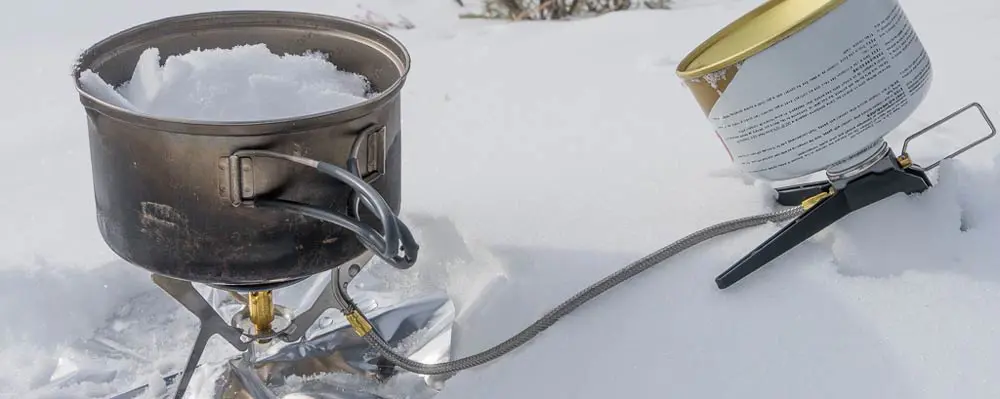
These stoves separate the burner from the gas canister using a fuel hose, and many models allow the canister to be used upside down. This inverted-canister setup feeds liquid fuel to the stove instead of relying solely on vapor pressure, making these stoves considerably more reliable in cold-weather conditions.
3. Liquid-Fuel Stoves
If reliability in winter is your top priority, liquid-fuel stoves are unmatched. These stoves run on white gas or a variety of other liquid fuels and do not depend on the internal pressure of a gas canister. Instead, the fuel bottle is manually pressurized using a built-in pump, allowing the stove to operate consistently even when temperatures fall well below freezing.While liquid-fuel stoves are not as convenient or user-friendly as canister stoves, they have earned their reputation as the most dependable choice for harsh winter conditions, especially when a reliable hot meal can make a significant difference in safety and comfort.
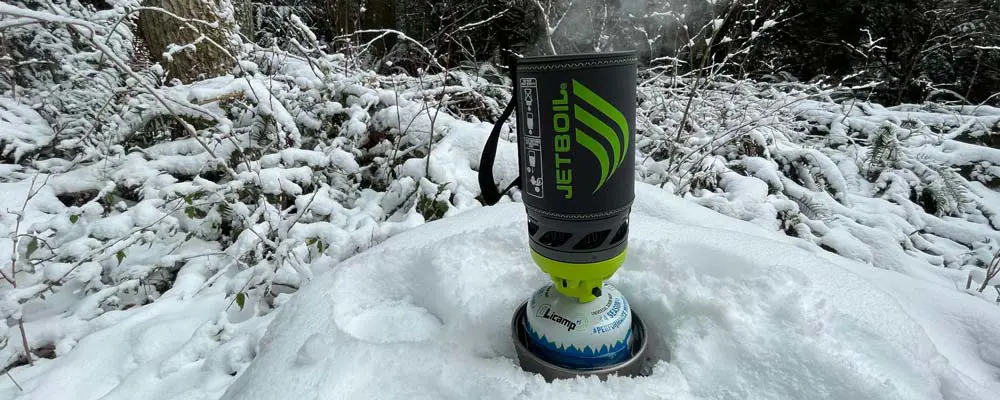
Fuel Management: The Importance of Gas Canisters in Mountaineering
In winter, your stove is only as good as the fuel that powers it. Most cold-weather stove problems are not caused by the stove itself—they stem from poor fuel management. Get this right, and even challenging winter conditions become far less stressful.Not all gas canisters are created equal. Winter-blend fuel canisters contain a higher proportion of propane, which continues to vaporize more effectively at low temperatures than isobutane alone. Even so, gas fuel has its limits. As the temperature drops below freezing, its performance inevitably declines.A simple principle to remember is: cold fuel means low pressure. Keeping your gas canister or fuel bottle warm before use can make a significant difference in your stove's performance.To manage your fuel more effectively in winter, follow these tips:
* Carry your gas canister inside your jacket pocket while hiking to help keep it warm.* Store your fuel inside your sleeping bag overnight to prevent it from becoming too cold.
* Keep your fuel off the snow whenever possible, as direct contact with snow rapidly lowers its temperature.
* Carry more fuel than you think you'll need. Winter cooking typically consumes significantly more fuel than cooking in milder conditions.
* Always carry a spare gas canister or fuel bottle on winter mountaineering trips in case your primary fuel supply runs low or becomes unreliable.
Why Half-Used Gas Canisters Are a Poor Choice for Winter Mountaineering
As a gas canister empties, its internal pressure decreases, a change that is barely noticeable in summer but becomes painfully obvious in winter. A half-used canister in freezing conditions often produces a weaker flame and may even lose pressure completely before you've finished boiling water or cooking a meal.For winter mountaineering, fuller gas canisters deliver more reliable performance and are far less likely to let you down in cold conditions. Save partially used canisters for shorter outings or mild-weather day trips, where cold-weather fuel performance is less of a concern.
How to Use a Camping Stove for Winter Mountaineering
Setting up a stove for winter use is where efficiency and safety come together. Get it right, and you'll cook faster, use less fuel, and enjoy a much smoother cooking experience. Get it wrong, and you'll waste fuel, struggle with poor stove performance, and expose yourself to unnecessary risks.To set up and use a camping stove for winter mountaineering, follow these steps:
Step 1: Choose a Safe, Sheltered Location
Wind is a fuel thief. Even a light breeze can double the time it takes to boil water, so creating some protection from the wind is well worth the effort—but it must be done correctly.Whenever possible, use a natural windbreak, such as a large rock, a snow wall, a small ridge, or a shallow depression in the terrain. Position your stove so that these features shield it from the wind without blocking airflow, allowing the stove to burn efficiently and safely.
Step 2: Create a Stable Base on the Snow
Compact the snow firmly and let it settle for about a minute before setting up your stove. Use a stove base, a flat board, or even a pot lid as a stable platform. Position the stove securely and make sure it does not wobble before lighting it.Never place a camping stove directly on snow. As the stove operates, the heat will melt the snow beneath it, causing the stove and cookware to become unstable—or even tip over.While cooking, check your stove regularly. If it begins to lean, sink into the snow, or if the fuel canister becomes excessively warm, turn the stove off immediately and reposition the entire setup before continuing.
Step 3: Check for Proper Ventilation and Carbon Monoxide Hazards
In winter, you're far more likely to cook in a confined space, making proper ventilation absolutely essential. Like any fuel-burning appliance, a camping stove requires a constant supply of fresh air and a safe way for combustion gases to escape.Carbon monoxide (CO) is odorless, invisible, and extremely dangerous. In cold weather, enclosed cooking areas can trap this deadly gas, creating a serious risk of carbon monoxide poisoning.If you must cook inside an enclosed shelter, such as a mountaineering tent, always keep at least one door or vent partially open to maintain continuous airflow. Position the stove so that exhaust gases are carried away from you, rather than accumulating inside the shelter.
Lighting a Camping Stove with Cold Hands
This is the point where winter mountaineering cooking often begins to unravel. You're hungry, the wind is blowing, your hands are numb, and suddenly your stove refuses to cooperate.Cold fingers turn even the simplest tasks into frustrating challenges, and stove ignition systems don't always perform well in freezing temperatures. Most disposable lighters run on butane, which loses its ability to vaporize effectively in sub-freezing conditions. As a result, a cold lighter may fail to produce a flame—even when it appears to be full.The solution is simple: keep your lighter in a pocket close to your body so it stays warm, and warm it in your hands for a few moments before use if necessary.
There are three common methods of igniting a mountaineering stove, but none of them should be relied upon as your only ignition source during a winter mountaineering trip:
1. Piezo Igniters
2. Matches
3. Lighters
Removing your mountaineering gloves in winter just to cook is one of the fastest ways to lose body heat. Working with bare hands may seem easier at first, but the cold quickly numbs your fingers, reducing both dexterity and grip strength. Once your hands become cold, even simple tasks become increasingly difficult.Developing a few good habits can help keep your hands warm while making winter cooking safer and more efficient:
* Practice lighting and adjusting your stove while wearing gloves at home before your trip. Becoming familiar with these tasks beforehand makes them much easier when you're working in freezing temperatures.* Use gloves with fold-back fingertips or convertible mittens when operating small controls, such as igniting the stove or adjusting the flame. They provide the dexterity you need while minimizing heat loss.
* Avoid overtightening the stove's control valve. In cold weather, an overtightened valve becomes much harder to turn, especially while wearing gloves or when your hands are cold.
Common Mistakes When Using a Mountaineering Stove in Winter
Most winter stove problems are entirely preventable. In the following sections, we'll cover the most common mistakes, explain why they happen, and show you how to avoid them before they become serious problems in the mountains.
✔ Using a Summer Camping Stove in Winter
Lightweight upright canister stoves can perform poorly in freezing conditions. Match your mountaineering stove and fuel type to the expected winter conditions rather than choosing solely on the basis of weight savings.
✔ Blocking Airflow with an Unsafe Windscreen
Wrapping foil tightly around an upright canister stove can dangerously overheat the fuel canister. Always maintain adequate airflow around the fuel source.
✔ Failing to Test the Stove Before the Trip
Discovering a problem at home is an inconvenience; discovering it in freezing conditions can become a serious emergency. Before setting out, test your stove, fuel, and ignition system in cold conditions.
✔ Leaving Fuel Outside Overnight
Fuel that becomes extremely cold overnight will produce lower pressure and a weaker flame the following day. Keep gas canisters or fuel bottles inside your mountaineering tent or sleeping bag overnight to help prevent them from becoming excessively cold.
✔ Using Half-Empty Gas Canisters
Partially used gas canisters lose pressure much more quickly in cold weather. Begin winter mountaineering trips with full canisters whenever possible.
✔ Carrying Only One Ignition Method
Lighters and piezo igniters are more likely to fail in cold, windy conditions. Always carry more than one reliable method of lighting your stove.
✔ Underestimating Fuel Consumption in Cold Weather
With proper fuel management, winter cooking becomes far more predictable. Carrying extra gas canisters is one of the simplest and most effective ways to avoid running out of fuel during a winter mountaineering trip.
 Receiving information...