
For workers in different industries, proper protective workwear is very important, this durable clothing protects workers from potential hazards in their field of work. Whether you work in construction or in cooking, the right workwear will protect you so that you can safely perform your duties well. Different industries have unique and different clothing that is designed based on the functional and aesthetic needs of the jobs in a particular industry.
What is workwear?
There are different types of workwear used for different jobs in industries that keep workers safe. Some jobs require additional clothing, construction requires safety helmets and shoes that are sturdy, the kitchen requires gloves and aprons that protect against water and heat. Industrial workwear includes any clothing that is explicitly designed to protect employees from the hazards of their daily tasks, unlike casual clothing, for workers in industries, performance always comes before fashion. Fabrics, cuts, stitching and safety features optimize worker mobility while protecting workers from the specific hazards of industrial jobs, from fires to spills and sharp objects.
As mentioned, the importance of workwear lies in its protective functions in various workplaces. These protective garments can prevent injuries from hazards such as chemicals, heat or heavy machinery. They also often have features that enhance comfort and productivity, such as breathable fabrics, ergonomic designs and tool pockets.
Differences in workwear across industries
Each industry has its own style of workwear that reflects the functional and aesthetic needs of that particular industry. Below are some of the common types of workwear for different industries:
1- Healthcare industry workwear
Healthcare industry workers have a wide range of uniforms that are less about appearance and more about functionality; especially for hospital workers, such as doctors and nurses, who wear their workwear entirely for proper performance. Standard healthcare uniforms are bright, durable, and comfortable, designed for working in the sterile conditions of hospitals, and often use thematic color coding of uniforms to establish hierarchy between doctors, nurses, and staff.

2. Business-Friendly Clothing (Offices)
While the business world is not technically an industry, it is often conducted in offices that require specific clothing. While different offices have different dress requirements, you can usually expect to see formal or informal office work attire, for men this includes trousers, a dress shirt, and sometimes a suit, and for women, trousers, a skirt, a coat, or a suit. Workwear in this category usually does not have many protective features and is primarily used to keep employees’ personal clothing clean.
3- Workwear in the Automotive Industry
The automotive industry involves a lot of hard and sometimes dirty work, the uniforms worn by technicians in this industry require durable overalls or shirts and pants that can withstand the rigors of their work. Most workwear in this industry includes long-sleeved or short-sleeved shirts with buttons or collars, these shirts, as well as blazers, are durable enough to withstand oil, caustic liquids, stains, and heavy washing.
4- Characteristics of Aviation Industry Clothing
Pilots and flight attendants can be easily identified from a crowd and you can probably tell which company they work for just by looking at them. This is because aviation industry workwear has a specific look, with colors and designs changing according to each airline brand. Apart from the fact that pilots and flight attendants look stylish, well-fitting, and professional, their clothes are both comfortable and functional.
5- Construction and Manufacturing Industry Workwear
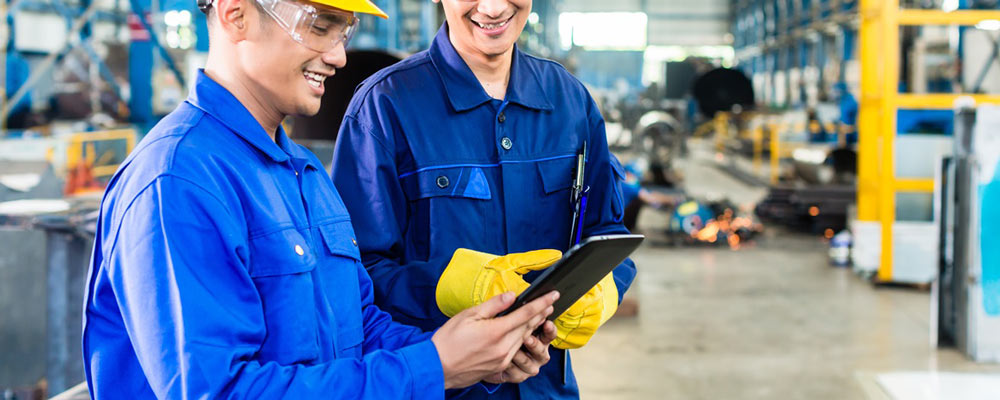
Industrial and construction jobs require durable clothing to withstand strenuous work, which may require specific features such as anti-electricity or heat resistance, depending on the type of job. Construction industry workwear often includes durable and hard-wearing work pants, long-sleeved and short-sleeved shirts, and sometimes even heavier jackets or outdoor clothing for wearing in colder weather. Some parts of industrial jobs may require helmets and special protective equipment, or have reflective tape on different parts of the clothing.
6- Hospitality Industry Clothing Features
The uniforms of this industry are creatively designed based on brands and at the same time are functional for the roles of the employees. In a hotel or residence, different team members wear unique uniforms to reflect their jobs. Typically, hospitality and tourism industry uniforms include shirts and uniforms that have name tags to help guests feel more comfortable.
7. Appropriate attire in the restaurant industry
The restaurant industry is one of the most creative industries in terms of workwear. Uniforms are usually chosen based on the type of restaurant. Different employees in each department may wear different workwear that best suits their role in the restaurant. For example, chefs and cooks often wear white hats and jackets, while waiters wear aprons with pockets for pens and order books. While the restaurant industry can be creative with their uniforms to match their restaurant brand, these garments also serve practical purposes.
8. Food Processing Industry Workwear
Food processing industry workers are exposed to burns in the workplace, but they need to be mobile, which requires the use of flame-resistant cotton or synthetic aprons. Slip-resistant and heat-resistant safety shoes also protect the feet, and cut-resistant or insulated gloves are selected based on the tasks of each department.
 Receiving information...